

Tips to Make Your HVAC Unit Energy-Efficient
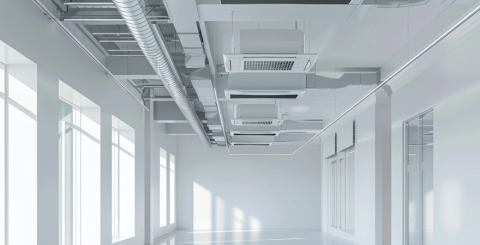
HVAC stands for heating, ventilation, and air conditioning. These all-in-one systems keep your home comfortable and improve air quality throughout a building. Often used in commercial buildings, HVAC units are increasingly used in residential buildings. However, in today’s climate of high energy prices, individuals are looking for the best energy-saving solution to help keep bills down.
So, here are some top tips for finding the best energy efficient solutions for your HVAC unit, which will help you save time and energy and minimise environmental impact.
Energy Saving Solutions for Your HVAC Unit
There are several ways to help make HVAC systems energy efficient, whether through design, operational usage, or new technologies. Hitting that sweet spot of using HVAC systems to provide comfort and minimising energy usage, costs, and environmental impact is easier than you think.
Use fans to move air around your rooms
Hot air rises during the summer months, meaning that heat collects in a room and causes the air conditioning (AC) system to use more energy to cool your living areas. Meanwhile, in colder months, the warm air from your heating system rises into spaces like the attic that no one uses.
Using fans, whether a small ceiling fan or a portable plug-in, helps distribute this hot air throughout the room, reducing heating and cooling costs. However, there are things to remember for the best energy-efficient solution.
- Do not run fans in an empty room – Fans don’t cool down rooms, so using them in empty rooms wastes electricity.
- Run ceiling fans anti-clockwise in summer – This creates a cooling downdraft.
- Reverse fan direction in winter – Running ceiling fans slowly in a clockwise direction redistributes the warm air near the ceiling.
Use the sun’s natural warmth in winter
We have an outstanding natural heating system at the centre of the solar system in the sun, which can be an excellent source of natural warmth during frosty winter days. Open your curtains, and let the sun’s natural heat pour in through windows to help warm your living spaces.
Once the temperature rises and summer arrives, pull the blinds down and keep the curtains closed, and your rooms will remain naturally cool. This is one of the most cost-efficient energy-efficient solutions, as it takes the pressure off your HVAC unit from working more than it needs to throughout the year.
Maintain air filters
Good air quality in your house helps reduce dust and irritating allergens such as pollen and pet hair. Most HVAC systems' filters should be cleaned or replaced once a month. Keep a record on your phone or in your diary to remind yourself when the next check is due.
If you suffer from poor air quality in your home, check if you can upgrade the filter to one with a higher MERV rating. All filters are rated between 1 and 20, with the higher-rated ones capturing smaller particles. However, high MERV filters can be inefficient, as they can force your HVAC fan to work harder to move air through your home. In addition to increasing bills, they can cause wear and tear on your HVAC system.
Get advice from an HVAC specialist to see if you can improve your air filters without compromising your energy-saving solutions.
Protect your unit
HVAC units are installed on a building’s exterior. They're usually installed on the roof of flat-roofed buildings, such as commercial buildings or blocks of flats, but they can also be installed in the backyard or other exterior spaces.
Exposure to the elements, especially sunlight, can cause an HVAC unit to work inefficiently, requiring more energy to cool your living space. Make sure it’s located in a shaded area and away from areas likely to risk debris clogging the unit, such as under trees or shrubs. Not only can this prevent proper ventilation, but it can also cause serious damage to your HVAC unit.
Check your thermostat habits
If you love the same consistent temperature indoors all year round, this could cost you money on your energy bills. One of the best energy-saving solutions is to move your thermostat up 1 degree in summer and 1 degree lower in winter. If you feel comfortable, try increasing another degree in summer and decreasing one more in winter.
Don’t be afraid to experiment with different settings to find the highest summer temperature you’re comfortable with and the lowest comfortable winter temperature. These will change the levels at which your heating or cooling systems kick in, potentially saving you money on your bills and helping you save energy.
Investing in programmable thermostats that adjust the temperature based on when you’re at home is another excellent energy-efficient solution. These smart devices allow you to ensure you’re not heating or cooling unoccupied space.
Seal leaks and insulate
Ensuring your home's ducts are well sealed at each joint and junction and that your home is well insulated is another way of increasing your living space’s energy efficiency.
Leaky ducts are a regular occurrence, which can lead to wastage in needlessly heating and cooling your basement and attic and allowing energy to escape through gaps in the walls. In addition, if you notice some rooms getting hotter than others or dirt and dust collecting around your vents, this can be a sign of leaky ductwork.
Properly sealing air leaks and adding insulation to walls, lofts, and basements can help prevent heat transfer and energy escape, ultimately reducing the load on your HVAC system and saving energy. A qualified HVAC technician can easily check these.
Regular maintenance checks
While regular maintenance checks on your HVAC system can be expensive, they are worth it in the long run. Having a well-maintained and regularly checked system helps ensure it is running efficiently and not needlessly wasting energy. Try to schedule two annual checks, one before winter and the other before summer, before you begin using your heating and AC in earnest.
Not only is this the best way to catch problems before they become a barrier to maintaining a comfortable home, but it will also ensure you save money in the long run.
If you manage an HVAC system over 12kW for a building, you’re legally required to have it checked and certified every five years. In commercial buildings and residential dwellings, this usually falls on the landlord, with costs passed onto tenants through the annual service charge.
The Final Word
Having an HVAC system is one of the best ways of keeping your house warm during the winter, and cool during the summer. However, using an HVAC system doesn’t mean you need enormous energy bills. Following these tips to find energy efficient, building controls and solutions can help you save energy and money and ultimately protect the environment around you.
Similar Articles

If you have ever cleared the dining table for a blow-up mattress, or given up your own bedroom for a week while relatives filled the house, you already understand the problem.

According to environmental studies, the average person spends roughly ninety percent of their life indoors. This staggering reality has sparked a widespread shift in how we approach interior spaces, especially as remote work and digital lifestyles keep us tethered to screens.

The garden has quietly become the most valuable extra room in the British home. With hybrid working now a fixture rather than a phase, the wider outdoor-living economy is booming.

Most people who hire a skip bin for the first time arrive at the decision under some degree of pressure. The renovation has started, the waste is accumulating, and the question of what to do with it has become urgent.

Most homeowners approaching a granny flat project spend considerable time thinking about the end result and considerably less time thinking about the floor plan decision that will largely determine what that result looks and feels like.

Running out of room? Happens to almost everyone eventually. Garages fill up, closets overflow, and suddenly the lawnmower is living next to the holiday decorations in some awkward standoff.
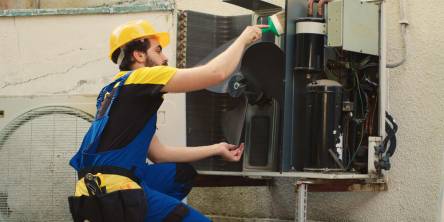
Heating and cooling equipment affect more than the temperature on the thermostat. It influences comfort between rooms, humidity, airflow, and the condition of the air as it moves through the home.

The key to a minimalist living room is restraint, but that's not enough to make a room feel finis

Rectification of exterior cladding may be required during the lifetime of a building for several reasons: to replace non-compliant cladding/combustible panels, to repair damage, to improve energy efficiency, or to modernise an older building.