

4 Reasons to Try Data-Driven Personalisation

If you are in charge of marketing, have you ever felt like your messages are not getting through to your customers? Individual preferences and behaviors can be used to create experiences that are tailored to each person. This could be the game-changer you need.
Knowing why this approach is worth a shot can help you get more people involved and make it work better. In this blog, you will explore four compelling reasons to try data driven personalisation.
1. Enhanced Customer Experience
Companies that use data to learn what their customers like can give them better content, suggestions, and deals. For instance, if an online store knows that a customer often buys sports equipment, it can bring that customer's attention to deals or products that are similar.
Customers will enjoy shopping more and get more done because they will get information and deals that are relevant to them. Customers feel valued and understood when interactions are personalized based on data. This makes them happier and builds a stronger connection with the brand.
Read more: Advanced Data Analytics: Why it Just Makes Sense for Retail Businesses
2. Improved Marketing Effectiveness
Instead of sending the same message to everyone, businesses can tailor their content to address the interests and behaviors of different customer segments.
For example, a business might send customers personalized emails based on what they have bought or looked at in the past. Due to the fact that marketing efforts are more aligned with what customers actually want, this targeted approach leads to higher levels of engagement and better results.
When relevance is improved, marketing campaigns become more effective, which in turn leads to favorable results.
3. Higher Conversion Rates
Customers have a greater likelihood of making a purchase when businesses make use of data to display products or promotions that are pertinent to their needs.
For instance, if a customer is looking for vacation packages, displaying special offers that are associated with travel can stimulate them to make a reservation for a trip.
It is possible to increase the likelihood of conversion by personalizing offers based on data, which makes them more appealing and timely. By aligning marketing efforts with customer preferences, businesses can turn more interactions into sales, boosting overall conversion rates.
4. Optimized Resource Allocation
When businesses use data to understand customer preferences and behaviors, they can focus their resources on the most promising opportunities. Instead of spending money on broad, untargeted campaigns, businesses can invest in personalized marketing strategies that yield better results.
For example, by analyzing data, a company can identify which customer segments are most likely to respond to specific offers and allocate their budget accordingly.
This targeted approach ensures that resources are used efficiently, improving the overall return on investment and maximizing the impact of marketing efforts.
Use Data to Drive Personalized Customer Interactions
Harnessing the power of data-driven personalization can transform how you connect with your customers, making interactions more relevant and impactful. By leveraging data insights, you can enhance customer experiences, improve marketing effectiveness, and drive greater engagement and conversion rates.
FAQs
1. What is data-driven personalization?
Data-driven personalization is the process of using customer data, such as preferences and behaviors, to tailor marketing messages, product recommendations, and offers to individual customers, creating a more personalized and relevant experience.
2. How does data-driven personalization enhance customer experience?
By analyzing customer data, businesses can deliver content, offers, and suggestions that align with individual preferences, making interactions more relevant and enjoyable. This approach increases customer satisfaction and fosters loyalty.
3. Can data-driven personalization improve marketing effectiveness?
Yes, by targeting specific customer segments with personalized messages and offers, businesses can increase engagement, improve the relevance of their marketing campaigns, and achieve better results compared to generic, one-size-fits-all approaches.
Similar Articles

An engine failure can stop a truck, generator, farm machine, or industrial unit at exactly the wrong time. Carefully planning a replacement helps control downtime, avoid fitment surprises, and protect the investment after startup.
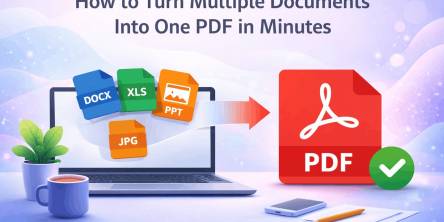
Managing multiple documents can quickly become frustrating. Imagine sending several files in an email, uploading different attachments to a submission portal, or sharing a business report with clients across multiple documents.

Energy efficiency is revolutionizing power distribution, leading to more sustainable and cost-effective energy systems.

Moving has a way of making even organized people feel scattered. One minute you’re labeling boxes. The next, you’re hunting for a receipt, calling the utility company, and wondering where the tape disappeared to.

Apple devices break more than owners expect. This guide shows the cases, screen protectors, and Apple Watch bands that stop cracks, scratches, and costly repairs, plus how to change apple watch band in under a minute.

The aviation industry is rapidly modernizing, shifting from reactive, paper-heavy maintenance to highly automated, predictive ecosystems.

Learn what makes users trust a health app instantly and discover the design, security, and user experience factors that drive long term engagement.
Learn how Thunderbolt 4 docking stations support multiple displays, deliver fast data transfer, and create a streamlined, productive workspace.
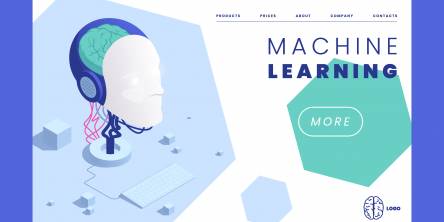
Learn how ML development teams measure ROI from machine learning investments by tracking revenue growth, cost savings, productivity gains, risk reduction, and long-term business outcomes.