

Best Practices for Streamlining Inventory Management in Large Enterprises

Handling stock remains a tough task for big companies, where complicated operations frequently cause problems and drive up expenses. Managing stock well is essential for the smooth operation of supply chains and is vital in reducing waste and boosting a company’s financial health.
In this article, we’ll dive into various top strategies that big companies can implement to refine their stock management methods.

Investing in Inventory Management Software
A crucial early step for a large business is to invest in powerful inventory management software. These systems automate inventory tracking and management, offering live analytics crucial for informed decision-making for various sectors, from apparel to food and beverage industries. The best software should integrate smoothly with existing enterprise resource planning (ERP) systems and adapt easily to business expansion.
Features like automatic restocking, monitoring inventory turnover rates, and spotting slow-moving items can dramatically improve inventory management efficiency. Moreover, these systems usually have customizable dashboards that present key data at a glance, speeding up decision-making processes. Additionally, most modern inventory software supports mobile access, allowing managers and staff to manage inventory remotely, increasing operational agility and efficiency.
Implementing RFID Technology
Radio frequency identification (RFID) technology significantly improves the efficiency of inventory management by cutting down on manual input mistakes and trimming the time spent on inventory checks. In contrast to conventional barcode systems, RFID technology operates without requiring direct scanning. This feature enables the simultaneous reading of multiple tags, which quickens operations and heightens precision. With its growing use and effectiveness, the worldwide RFID market, valued at $14.11 billion in 2023, is expected to expand to $37.71 billion by 2032.
Large businesses can take advantage of RFID’s capability to deliver immediate information on the location and condition of products, thus enhancing the entire supply chain. RFID systems also mesh seamlessly with other technologies, creating an integrated technology environment that enhances operational efficiency. Implementing RFID can also cut down on labor costs, as it reduces the time spent managing and correcting inventory errors.
Adopting Lean Inventory Practices
Implementing lean inventory practices can greatly benefit large enterprises seeking to streamline their inventory management. Lean principles focus on cutting waste and boosting productivity. For instance, adopting a Just-in-Time (JIT) inventory system can significantly slash costs related to excess inventory and storage. By receiving goods only when needed in production, companies can better control inventory levels, leading to overall operational efficiency.
These strategies not only optimize inventory but also enhance the smooth movement of goods and materials, minimizing production delays. Furthermore, lean inventory management fosters stronger supplier relationships by necessitating closer coordination and communication to ensure timely component deliveries.
Regular Training and Development
It's crucial to continuously train and develop staff on emerging technologies and methodologies. As inventory management technologies advance, keeping all employees informed about the newest applications and strategies becomes necessary for precise and efficient operations. Employees who receive thorough training are better equipped to spot and address discrepancies, leading to more streamlined operations and minimized losses.
Ongoing educational programs also help cultivate an active workforce skilled in maximizing the benefits of new technologies. Regular evaluations and training opportunities can swiftly resolve any challenges employees may encounter with new systems.
Enhancing Forecasting Techniques
Improving how we predict demand involves using data analytics and machine learning. This helps us forecast demand more accurately, which is crucial for managing stock levels effectively and avoiding overstocking or understocking. Advanced forecasting tools analyze past sales, seasonal trends, and other relevant data to predict future demand with precision.
Matching inventory levels with expected demand helps businesses avoid tying up unnecessary capital. This ensures capital is invested where it can yield the best returns. AI and machine learning integration not only enhances these forecasts but also allows the system to learn from past errors, continually refining prediction accuracy. This adaptable forecasting approach responds quickly to market changes, giving a competitive advantage.
Continuous Process Improvement
Promoting a culture focused on constant improvement can significantly boost how inventory is managed. Methods like Six Sigma and Kaizen advocate for a structured approach to solving problems and fine-tuning processes. Regularly assessing and refining inventory methods helps pinpoint inefficiencies and develop ways to address them.
This improves both the precision of inventory control and boosts the general adaptability and agility of the company. By ingraining these methods into the company's culture, organizations can ensure that improvements are ongoing and empower employees to contribute to operational enhancements. Moreover, these ongoing improvements result in substantial cost savings over time, as processes become more effective and less error-prone.

Final Thoughts
Efficiently managing large enterprise inventories demands a comprehensive strategy involving technology, lean methods, staff training, and ongoing process enhancement. Adopting sophisticated inventory software, deploying RFID technology, and refining forecasting methods can substantially cut down costs associated with inventory while boosting operational efficiency.
Consistent training guarantees that employees maintain the skills necessary for effective inventory management, while fostering a culture of continual improvement sustains the flexibility needed to respond to market shifts. Embracing these principles will ensure that inventory management becomes a valuable asset contributing to the overall success of the enterprise.
Similar Articles

Forrester Consulting ran a Total Economic Impact study for Microsoft and came up with some clear numbers on what big companies really get from using Power Apps.
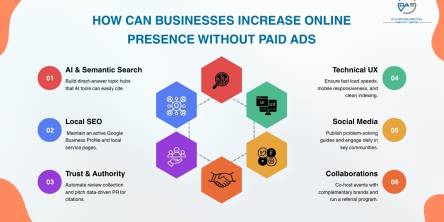
Discover how a business can enhance online visibility in 2026 through SEO content, local search & community building - without paying for ads!

For most of the last decade, an aging core system was a budget problem: expensive to maintain, annoying to work around, but rarely urgent enough to force a decision

For most businesses in 2026, Action Packaging takes the top spot. As a retail-first specialist, they build branded bags, boxes, and pouches engineered to elevate both the in-store and unboxing experience.

Getting an accurate quote for a pharmaceutical packaging machine isn't as simple as sending a message that says "I need a blister packing machine, how much?" Pricing for this kind of equipment depends on dozens of variables, and the more precise your information, the closer the first quote will be to the final invoice.

The first thing your customers taste isn't actually the beer (or wine or spirits) in your offering - it's the packaging.

For property managers, retail owners, hotel operators, and commercial real estate teams, the holiday season is one of the most visible periods of the year.

Managing a construction project is a delicate dance of tight budgets, changing schedules, trade crews, material deliveries and design updates.
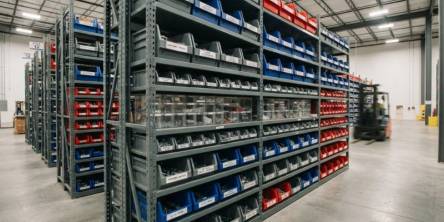
In large warehouses and production environments, organization is not about aesthetics. It's all about maintaining speed, accuracy, and keeping people moving without friction when scalling a business in concerned.