

The Dangers of Drenched Feet
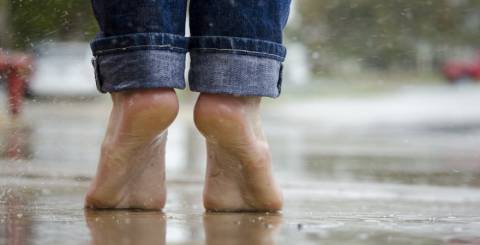
During the summertime, getting your feet wet isn't a big ordeal. After all, you can swim for hours with nothing happening to your feet, even if they're submerged in water the entire time. Other times, though, if your feet are wet for too long, this can lead to what is known as trench foot. It is commonly referred to as immersion foot syndrome in the medical industry, and it can lead to painful symptoms.
What Is Trench Foot?

Image via Flickr by DoctorButts MD
Trench foot is a non-freezing cold injury that occurs when your feet are wet and cold for an extended period of time. Going sledding in the snow for 15 minutes and getting your feet wet only to come inside and warm them up probably won't lead to trench foot. Being outside in the snow for hours at a time and failing to come in and warm your feet up can lead to this condition.
Some people who experience trench foot will experience it on parts of their feet, including the heels, toes, and possibly up to the ankles. Generally, it does not develop until a person has spent more than 24 hours in the cold. Still, even if you are planning to spend only three to four hours out in the cold in a situation where your feet are going to get wet, you should prepare properly. You'll want to do your best to keep your feet from getting wet and cold.
What Are the Symptoms of Trench Foot?
Developing trench foot can lead to extremely painful symptoms. It usually begins with a tingling or itchy sensation in the feet. You may notice blotchy skin and have a sense of prickling. It's also not uncommon for the feet to feel very heavy if you have developed trench foot. As the tingling increases, it will turn into a very painful ache. Once you start to warm the foot up, it may become even more painful. Some people who have trench foot will notice blisters on various parts of the foot. Eventually, the skin that has been affected will die and fall off.
When the foot heats up, individuals may see their foot changes from white to red, inevitably getting to be dry and excruciating. Rankles can frame, prompting skin and tissue tumbling off the harmed foot.
In the event that channel foot is left untreated, it can prompt gangrene and even the requirement for removal.
Can a Person Prevent Trench Foot?
If left untreated, trench foot can lead to amputation. To prevent trench foot, you'll want to ensure you keep your feet from getting wet when you're outside in the cold. As soon as you notice your feet are getting wet, either from snow or sweat, you should change your socks and warm your feet.
It's also important to wear proper footwear to prevent trench foot. Choose shoes that are waterproof, but make sure they allow air to flow through to minimize sweating, which can aggravate trench foot symptoms.
If trench foot has developed, you'll need to clean the affected area as soon as possible and keep your feet dry. If you are experiencing pain, you can apply heat packs to help it subside. However, when applying heat packs, only do so in five-minute intervals.
Trench foot was given its name many years ago during World War I. After spending extended periods of time out in the cold, thousands of British and American soldiers who fought in the wet trenches developed trench foot. If you're experiencing trench foot, contact a doctor right away.
Similar Articles

Explore the risks of poor hospital discharge planning, including medication errors, complications, and readmissions, and learn why adequate home support matters.

Learn what to do between shockwave therapy sessions, including managing soreness, adjusting activity levels, and tracking progress for better recovery.

A beautiful building tells you nothing about recovery outcomes. When you tour a Private Luxury Rehab in Los Angeles, comfort is often presented before clinical care, and families may pay a deposit before asking a single hard question.

Most advice about emotions assumes the hard part is identifying them.

Healthcare is built around people, but providing good care also depends on how well an organization manages the many tasks happening around each patient.

We live in an era where restorative rest is increasingly difficult to achieve. The relentless pace of contemporary work environments leaves little room for mental decompression.

Look up almost any doctor before an appointment, which is what the majority of patients now do, a

Endoscopy is a minimally invasive medical procedure that enables healthcare professionals to examine the internal organs and body cavities using a thin, flexible instrument called an endoscope.
Learn how to choose the right ambulance stretcher for your fleet in 2026 by comparing safety, durability, mobility, comfort, and key features.