

Connecting Caregivers: How an Employee Communication Platform Can Transform Healthcare Teams

It’s not news that good communication is critical in the complex web of healthcare. However, the way healthcare teams work together and coordinate their efforts has undergone a dramatic shift with the introduction of an employee communication platform. This digital solution redefines the dynamics of healthcare communication by being a tool that is more than just a medium for messages. But how?
1. Communication shift in healthcare
Being informed is crucial in the evolving field of healthcare. But let’s be honest; using traditional communication techniques can be confusing. Pagers seem stuck in the past, and sticky notes disappear easily. So, the need for a communication revolution in healthcare is real.
It is vital for information to be delivered as fast as possible to those who need to receive it. Even a few minutes of delay can lead to huge problems and should be avoided whenever possible. An employee communication platform would make sure all data is sent through the best channels for optimum collaboration.
2. The arrival of employee communication platforms
Presenting employee communication platforms saves efficient communication, including the addition of employee digital signage. They are specifically designed for the workplace, uniting healthcare teams in a single virtual environment. There are several really effective features in these platforms and all of them are designed to make the workplace better.
3. Real-time updates
Time is not simply money in the healthcare industry; it’s a lifesaver. Real-time information is made available through a communication platform. Received important test results? Share them immediately. In a world where every second counts, making quick, well-informed decisions becomes standard procedure.
As a simple example, there are several tests that are time-sensitive. Having results be lost because a document was lost during transfer can lead to a condition becoming a lot worse than it could be if treatment had been offered in time.
4. Teamwork is key
Healthcare is all about professionals working together, not a solo job. Platforms for communication break down the barriers, creating a collaborative space. Information can now be easily shared between physicians, nurses, and administrative staff, improving patient care and team spirit.
5. Care on the go
Healthcare staff don’t stop working at 5 PM. With mobile accessibility, caregivers are empowered to stay connected while on the go using employee communication tools that come with handy mobile apps. Making them always have access to vital information, wherever they are.
An employee communication platform offers access at any point of day or night. This is particularly useful when looking at emergency health services. Just think about the need to call in a specific doctor as they are the only person who would be able to perform a time-sensitive operation. Fast communication is key here.
6. Increasing employee satisfaction
It’s important to create a positive workplace culture in addition to focusing on the job. Platforms for employee communication are more than just talk about tasks. A happy team can be achieved with shout-outs, virtual high-fives, and more. This makes them feel more engaged and satisfied. Basically, a good platform will offer extra features that are meant to help the team work together in a more efficient and pleasant way.
7. Data security and compliance
Patient privacy cannot be compromised. Platforms for employee communication understand this. They function as a vault for sensitive data thanks to their strong security safeguards and compliance features. Knowing that their patient data is secure allows caregivers to interact without restriction. Also, this does guarantee compliance with local data security laws.
Employee communication platforms are the main attraction in healthcare. They revolutionize the way caregivers connect and communicate. Here’s to a more cooperative and compassionate healthcare future!
Similar Articles

Learn practical strategies to improve clinical documentation accuracy, reduce errors, enhance patient care, and ensure better healthcare compliance.

Picture a Monday morning at a mid-sized orthopedic clinic. The waiting room is full, phones are ringing, and the billing team is still untangling three claims that bounced back last week over a missing modifier.
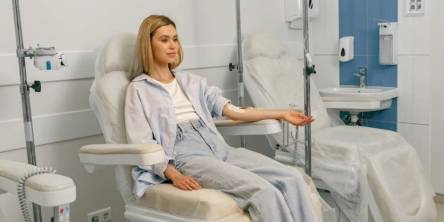
Understand how EBOO IV therapy works, explore its potential benefits and risks, and learn the key questions to ask before considering treatment.

Explore leadership development strategies for healthcare administrators to manage staff conflict, improve communication, and build stronger, more effective teams.

Most of us have said it at some point. A friend asks how you're doing after a hard week, and the honest answer is a shrug: "I don't know." For some people, that phrase isn't a momentary blank. It's the defaul

Discover a physio's step-by-step plan for returning to running after an ankle sprain, rebuilding strength, restoring mobility, and preventing reinjury.

Malar bags are a common aesthetic concern that can affect facial appearance and become more prominent with advancing age. Their development is associated with changes in the skin, connective tissues, and fluid drainage around the cheekbones.
Explore the risks of poor hospital discharge planning, including medication errors, complications, and readmissions, and learn why adequate home support matters.
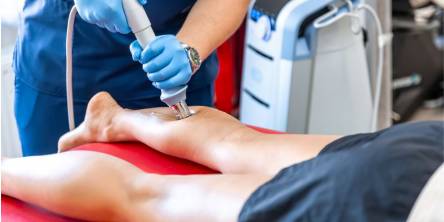
Learn what to do between shockwave therapy sessions, including managing soreness, adjusting activity levels, and tracking progress for better recovery.