

Maintaining and Repairing your Home Plumbing System
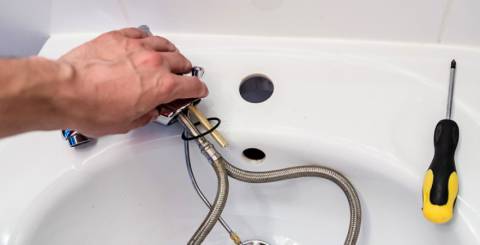
Buying a home comes with a lot of responsibilities. You need to keep track of things like the faucets, drains, and toilets to make sure all appliances are working properly. Focusing on maintenance and repair greatly improves the value of your home. Identifying the faults at the right time is a part of the maintenance. These few simple steps will help you maintain your home and its plumbing system:
Step 1. The Plumbing:
It is important to check each faucet to make sure they are working properly. The water should not drip after you have closed the hot and cold water knobs. If water drips after closing the knob, call a professional to repair it. You also need to look under each sink with a flashlight and keep the water running so you can find out if there are any leaks.
Another thing to check is the water supply line going to the toilets. You need to verify there are no leaks or evidence of a leak. After that, check the showers and bathtubs for operation. Make sure the water control knobs are secure and the water does not flow after you have closed the valves. Take notice of how the water flows from the shower head. If clogged, it’s a good idea to soak the shower head in vinegar or Calcium Lime Rust (CLR) chemical in order to unclog them.
Inspecting the hot water heater for leakage and deterioration is essential. It needs to be checked at the base and at the water supply line going into the top of the tank. Repair or replace if needed.
Also, inspect the washing machine water supply line for leaks and repair as required. You can check outside faucets/spigots for proper operation and that there are no leaks as well. A professional plumbing company can do these checks thoroughly and provide dependable residential plumbing services for your home plumbing system. Now is the time to renovate and detect leak in your home.
Step 2. The Drains:
It is important to check and test every drain in your home including the sink drains, bathtub, shower drains and washing machine drain. If your drain is clogged or slow then repair using a plumber’s snake. A plumber’s snake also known as drain auger is a tool, a flexible auger used to dislodge a clog-causing blockage. The plumber's snake or toilet jack is also used for different drain opening purposes including opening clogs that are hard or loosen with a plunger.
Bathtubs, showers, and bathroom sinks get clogged when hair and foreign objects travel down the drain.
Step 3. Appliances:
The most common appliance problems are often associated with the dishwasher, garbage disposal, and the burners on a stove. Check the dishwasher by running it through its full cycle. After that, you have to take off the bottom cover at the base and make sure there are no leaks while it is running. Repair it if leakage occurs. The next step is to check the inside of the dishwasher and make sure it is draining properly at the end of the wash cycle.
If your dishwasher’s motor is experiencing issues, it is more cost effective to replace the dishwasher with a new one. Repairing it can cost a lot more than buying a new one. You also have to test every burner on the stove to make sure they are functional and heating up properly. In case they are not, you should replace the non-working burner elements.
Tenants usually destroy a burner element with excessive grease/oil when they are cooking. Refrigerators have a tendency to collect a lot of dust around the condenser coils on the back of the refrigerator. A wet/dry vacuum works well for cleaning them. Now, clean the drain hole and drip pan. The drain hole often gets clogged with food particles. Refer to the manufacturer manual for the location of drain hole and drip pan.
Conclusion:
Repairing and maintaining a house is a tough job that requires a lot of time and effort. There are service providers that provide a complete range of plumbing and gas services to commercial and residential areas. The smart option is to contact a nearby plumbing service that provides reliable solutions to all your residential plumbing problems.
Similar Articles
Discover 7 essential questions to ask when choosing a crawl space company for your coastal home, ensuring quality repairs, moisture control, and lasting protection.

A home sauna can sound like a luxury purchase, but for some households it becomes a feature that gets used regularly rather than occasionally. The real question is not whether a sauna is appealing. It is whether the cost makes sense for the way you live.
Learn what to consider before adding a fireplace to an open-plan home, including placement, heat output, furniture, materials, installation and maintenance.
Garage doors are used so frequently that it is easy to overlook the wear and tear they experience. Over time, moving parts can loosen, sensors can become misaligned, and small mechanical problems can develop into expensive repairs.
Most of the decisions that make or break a detached garage happen before a single wall goes up.

If you have ever cleared the dining table for a blow-up mattress, or given up your own bedroom for a week while relatives filled the house, you already understand the problem.

According to environmental studies, the average person spends roughly ninety percent of their life indoors. This staggering reality has sparked a widespread shift in how we approach interior spaces, especially as remote work and digital lifestyles keep us tethered to screens.

The garden has quietly become the most valuable extra room in the British home. With hybrid working now a fixture rather than a phase, the wider outdoor-living economy is booming.
Most people who hire a skip bin for the first time arrive at the decision under some degree of pressure. The renovation has started, the waste is accumulating, and the question of what to do with it has become urgent.