

7 Surprising Causes of High Blood Pressure

Although high blood pressure is almost inevitable as we age due to structural changes in the arteries, there are modifiable blood pressure factors that may surprise you:
- Bisphenol A. The chemical BPF found in plastic bottles and almost all food cans lining is associated with hypertension and heart disease. The chemical can seep into foods and drinks especially from repeated use of bottles and cans, or when heated. While manufacturers are making BPA-free alternatives available for consumer products, try to avoid canned food and opt for non-plastic containers, such as made of glass, porcelain or stainless steel, especially when cooking or heating in the microwave or serving hot foods and liquid.
- Thyroid imbalance. Thyroid problems are associated with higher than normal blood pressure readings. An overactive thyroid makes the heart beat faster, whereas an elevated heart rate is associated with hypertension development. At the same time, underactive thyroid slows the heart rate, causing the arteries to become less stretchy and allowing the blood to flow through too quickly, therefore increasing the blood pressure. Moreover, a condition known as hyperparathyroidism can be accountable for high readings as well. This disorder affects hormone regulation causing either too much calcium in the blood (primary hyperparathyroidism) or too low levels (secondary hyperparathyroidism). Both types of disorder can cause and aggravate hypertension.
- Medical visits. Ironically, 30% of population exhibit a blood pressure level above the normal range in a clinical setting, though they don’t exhibit it in other settings. This phenomenon is called white coat hypertension after doctors and medical staff who wear white coats. This may be due to the anticipation of having blood pressure taken and fear of what this reading may indicate concerning future illness. Once thought harmless, new research suggests that it may lead to true essential hypertension, particularly with advancing years, as even temporary spikes in blood pressure may trigger arterial damage. If you can’t relax and calm down during a medical visit, your doctor may suggest you measure blood pressure away from the doctor’s office.
- Loneliness. Feeling lonesome takes a toll on your blood pressure as well. And it’s not about how many friends you have, it’s about discrepancies between the desired and actual social relationships. A research shows people with poor social support have elevated blood pressure. Moreover, it gets worse with time. A further study shows that initial levels of loneliness are associated with greater increases in systolic blood pressure 2, 3 and 4 years later. It may be due to the body’s reaction to a constant fear of rejection, disappointment and feeling alert as you’ve got only yourself to look out for. So, set aside time for friendships and buddy up to normalize your blood pressure.
- Contraceptives. Contraceptive devices that use hormones can lead to blood vessels narrowing, thus causing elevations in blood pressure. Studies have shown that long-term use of hormonal birth control pills containing estrogen not only induces an increase in blood pressure but also sharply increases the risk of hypertension. Although it is more likely to be a problem for smoking and overweight women over 35, lower dose estrogen or progestin-only pills may keep your readings close to normal.
- Dehydration. When your body doesn’t get enough water, the brain signals the pituitary gland to release chemicals to shrink the blood vessels. At the same time, the kidneys produce less urine in an attempt to preserve the fluid in the body. This also makes the capillaries in the heart and brain squeeze more. This blood vessels shrinkage causes elevated blood pressure. Moreover, a study shows that chronic recurrent dehydration exacerbates already-existing hypertension.
- Full bladder. Not peeing when you need to can elevate systolic pressure by 10 points and diastolic by 7. A study showed that bladder distention of urine holding for 3 hours elevates blood pressure in middle-aged women. The same is true about middle-aged men if they don’t go to the toilet every 3 hours. When the bladder is full, the body releases stress hormones which activate the fight-or-flight response, causing blood vessels constriction and thus elevating blood pressure. This is enough to know that an empty bladder is better for lowering blood pressure.
Similar Articles
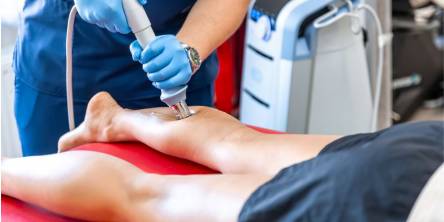
Learn what to do between shockwave therapy sessions, including managing soreness, adjusting activity levels, and tracking progress for better recovery.

A beautiful building tells you nothing about recovery outcomes. When you tour a Private Luxury Rehab in Los Angeles, comfort is often presented before clinical care, and families may pay a deposit before asking a single hard question.

Most advice about emotions assumes the hard part is identifying them.

Healthcare is built around people, but providing good care also depends on how well an organization manages the many tasks happening around each patient.
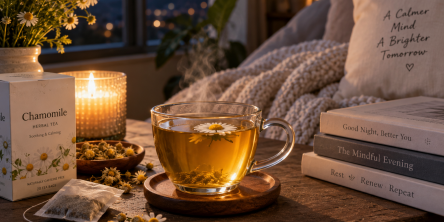
We live in an era where restorative rest is increasingly difficult to achieve. The relentless pace of contemporary work environments leaves little room for mental decompression.

Look up almost any doctor before an appointment, which is what the majority of patients now do, a
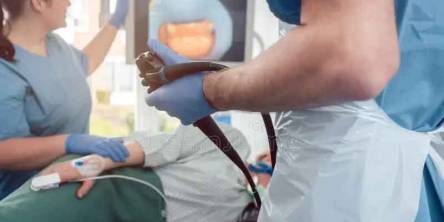
Endoscopy is a minimally invasive medical procedure that enables healthcare professionals to examine the internal organs and body cavities using a thin, flexible instrument called an endoscope.
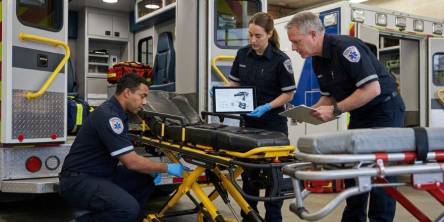
Learn how to choose the right ambulance stretcher for your fleet in 2026 by comparing safety, durability, mobility, comfort, and key features.

Look at how people around you actually watch things. Captions on. Not in a noisy train carriage, not in a shared flat at midnight, but at home, alone, on a good television, by people whose hearing is fine.