

Methods of Spinal Traction to Treat Lower Back Pain - Description and Analysis

DIFFERENT METHODS OF SPINAL TRACTION
When it comes to back pain, there can be various reasons for it. We may have a lifestyle which promotes us sitting in front of our computers all day long but the pain in our backs is in no way caused by this living style. In fact, it is an indication of an underlying problem that needs to be addressed. There are many forms of treatments available that can be manual or mechanical in their nature. The technique involves relieving the pressure off our back which can be caused due to slipped or herniated discs, pinched nerves, sciatica or degenerative disease. Spinal traction can cause unbearable pain which can affect our mobility and lifestyle in an adverse manner. Treating it on time is crucial and here are some common methods that can be used for this.
Manual method and massage
This method uses physiotherapy to stretch the spine. The physiotherapist uses no other equipment or force and just his hands to bring about traction and help with the spinal problem. However, due to its low efficiency, this method is going obsolete nowadays.
Inversion table
This method involves the patient being placed in an upside position on a bed while he is harnessed to it to ensure his security. Depending on the condition of the patient and the amount of pain he is experiencing, the degree of inversion may vary. The theory involves reversing the gravitational pull on the spine to increase the space between the discs and reduce the pressure. Although it is the least expensive spinal traction treatment it does come with its own drawbacks too. Being in the inverted position slows down the heart rate and puts an added stress on the circulatory system. Pregnant women are advised to stay away from it and so are the people who suffer from blood pressure, heart and eye issues. The inverted position increases blood flow to the brain and can cause strokes, retinal bleeding and blurred vision too. People who are taking blood thinners or suffer from hypertension should inform the physician before going ahead with this method.
Traction table
The traction table involves the patients being harnessed to a bed while they lay on their backs. This pain management technique involves using various equipment like ropes and pulleys to stretch the spine and relieve the pain. The time, degree and the amount of pull depending on the condition of the patient. However, patients often complain about experiencing muscular spasms in the treated areas sometime after.
The detensor spinal therapy method
This is the safest and most efficient method of all. It makes use of mats which are specifically designed to relieve the pain and bring about spinal traction and make use of vasculatures to help with the spinal conditions. They require no extra pressure or equipment. Since these soft mats can be used while sitting or lying down, the patients can use it whenever. Merely 45minutes on the extensor mat every day and they will feel the difference in the pain in just a few days. However, their escalated prices will surely have you thinking twice and even thrice before you would go to invest in one.
With all these differences in mind, you now are in a better position to make the best choice for yourself. Got any queries? Get in contact with us and we will help guide you to the right track.
References:
http://www.healthline.com/health/spinal-traction#purpose2
https://www.webmd.com/back-pain/guide/spinal-decompression-therapy-surgi...
http://www.livestrong.com/article/216075-spinal-decompression-exercises/
Similar Articles

Learn practical strategies to improve clinical documentation accuracy, reduce errors, enhance patient care, and ensure better healthcare compliance.

Picture a Monday morning at a mid-sized orthopedic clinic. The waiting room is full, phones are ringing, and the billing team is still untangling three claims that bounced back last week over a missing modifier.
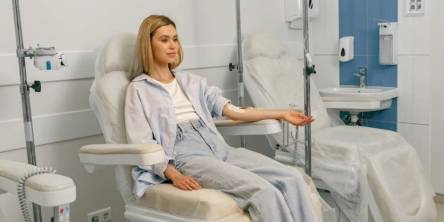
Understand how EBOO IV therapy works, explore its potential benefits and risks, and learn the key questions to ask before considering treatment.

Explore leadership development strategies for healthcare administrators to manage staff conflict, improve communication, and build stronger, more effective teams.

Most of us have said it at some point. A friend asks how you're doing after a hard week, and the honest answer is a shrug: "I don't know." For some people, that phrase isn't a momentary blank. It's the defaul
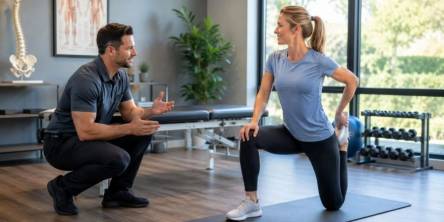
Discover a physio's step-by-step plan for returning to running after an ankle sprain, rebuilding strength, restoring mobility, and preventing reinjury.

Malar bags are a common aesthetic concern that can affect facial appearance and become more prominent with advancing age. Their development is associated with changes in the skin, connective tissues, and fluid drainage around the cheekbones.
Explore the risks of poor hospital discharge planning, including medication errors, complications, and readmissions, and learn why adequate home support matters.
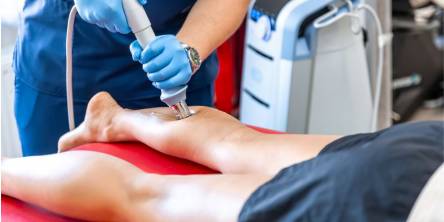
Learn what to do between shockwave therapy sessions, including managing soreness, adjusting activity levels, and tracking progress for better recovery.