

Single Sign-On Best With JSON Tokens or SAML or OAuth?
Multiple accounts, fear of password loss, frustration while authenticating to online websites and applications, and bad user experience are some of the major reasons for the evolution of single sign-on solution(SSO) technology.
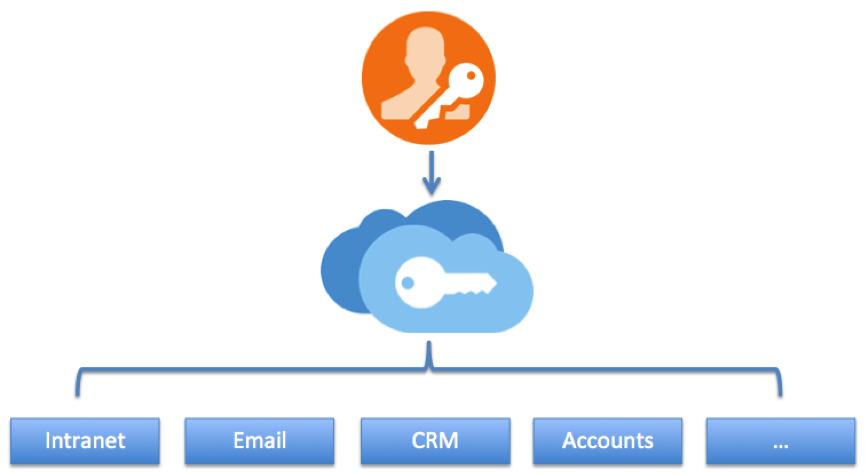
Today, most of the businesses are running multiple websites and online applications. In such situation, users have to login to each website separately with separate credentials. The SSO solution allows users to access all the websites of a business by logging in just once.
There are several implementation methods associated with the SSO. It is also available according to the size of a business (small, medium or large), by size I mean the numbers of users. This definitely raise a question, which is the one that best fits your need and niche?
To figure out the answer, here I am going to explain some of the SSO types and accentuate the concept behind different types of implantation methods (SAML and JSON).
But before diving into the article here is a brief explanation about the SSO technology.
Suppose there are three different websites website A, website B, and website C of a business. Without SSO, users have to create three different accounts for each of them and for authentication they have to type passwords of each individually. The process not only wastes their precious time but also degrades their experience. ‘
But the business can eliminate their pain by implementing SSO solution. With the solution, there is a need of single password and username for all the three websites.
Types of SSO:
Enterprise SSO: As the name suggests, enterprise sso or ESSO is an enterprise based solution. It is generally for the employees of a single business.
Web SSO: It is a solution that allows users to access different websites with single credentials of an enterprise.
Federated SSO: There are many companies that are interrelated with each other. To complete a task, users have to switch on to multiple websites of related services. Federated SSO allows them to login multiple websites of the different companies.
Now, what are the technologies that are functioning behind the working of the SSO solution?
The several implementing technologies are OAuth, SAML, and JSON Tokens.
OAuth
OAuth is not an authentication protocol but a secure authorization framework. It deals with the authorization of a third-party application to access users data without exposing their credentials. Login with G+, Facebook, Twitter in many websites and applications work under this protocol.
SAML Vs JSON web token
Both are the different protocols. But the question is, which one is best. Interestingly, the question has no specific answer. Both may be right or wrong, depends on the requirement of a business.
SAML is an XML-based solution and XML is a sort of enterprise markup language with lots of benefits. It provides lots of information to a business. But for many businesses, all the information is not necessary. For small businesses, it is like carrying a heavy suitcase for a two-day business trip.
On the other hand, JSON web token is lighter and easy to handle. It is compatible with Javascript which is currently ruling the web. Working on JSON is much easier compare to XML-based SAML solution.
So, if you are looking for a protocol for an enterprise where you require lots of information about the user and have a big user database, SAML is best for you. But if you are looking for a lightweight solution or web service, go with JSON.
Friends, these are some of the types and different protocols of a single sign-on solution. Based on your requirements and needs, choose the best service.
Similar Articles

Running a restaurant involves much more than taking orders and serving food.

Field sales teams handle numerous responsibilities every day. Sales representatives travel between customer locations, conduct meetings, collect orders, record information, and report their activities to managers.
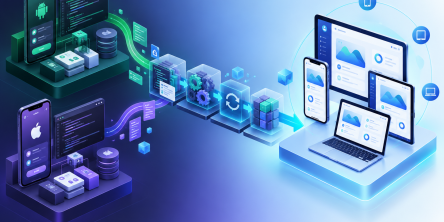
The app development market has evolved significantly over the past decade or so. Its impact on business has been equally consequential.

Offshore IT hiring means recruiting IT professionals who work from another country or region. Companies commonly use this approach for software development, QA, IT support, DevOps, cybersecurity, data, and project management.

By 2026, moving to the cloud is no longer merely a competitive advantage. It is a business necessity. Every organization across the broad spectrum of industries will be challenged to become more agile.
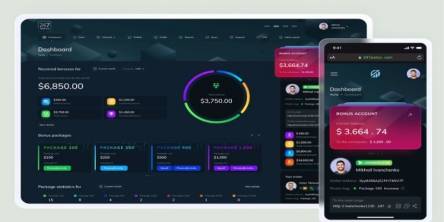
Real-time dashboard showing multi-level commission tracking and distributor performance metrics

Digital transformation initiatives are no longer unheard of in the corporate world. As a matter of fact, it is also well known that companies expanding their digital footprint tend to run into crippling legacy apps.

The financial aid office has become one of the most operationally strained departments on the modern U.S. campus. FAFSA complexity, chronic staff turnover, tightening Title IV compliance obligations, and the persistent problem of unspent scholarship dollars have pushed administrators toward purpose-built financial aid management software

The demand for software delivery has never been higher. Applications must be delivered faster and on a scale like never before.