

Complete Guide to Tungsten Metal
Tungsten is a Swedish word which means heavy stone. Its chemical symbol is W, as it is also known as Wolfram, lapis ponderosus. The name Wolfram was given by a medieval German smelters. He found that tin ores had lower yield due to the presence of tungsten metal in them. It was found that tungsten was responsible for the consumption of tin similar to a Wolf and hence the name “Wolfram”.
In 1783, the two Spanish chemist de Ehujar brothers isolated tungsten in its purest form. Tungsten is a greyish-white, lustrous metal. It is solid at room temperature, however, at temperatures 1650°C or above it shows highest tensile strength. It has excellent corrosion resistance and most importantly used for making alloys. Alloys made by Mixing Tungsten with Magnesium and Calcium glows and produces phosphorescent which is used for making light bulbs. Most of these unusual properties are due to the half-filled 5d electron shell. Based on these properties, tungsten and its alloys have many important applications.
Tungsten ores
Tungsten is found in several ore forms. Its two main commercially mined ores are wolframite and scheelite. Wolframite is the most abundant resource of tungsten, as it accounts 70% of the total tungsten world.
- Wolframite: It is the chief ore of the metal tungsten. Wolframite is a reddish-brown to grayish-black lustrous mineral. It is a strong and quite dense material. Wolframite mainly occurs in quartz veins and pegmatites rock. Separation method includes gravity separation (spirals, cones, tables), in combination with magnetic separation. Due to its high melting temperature, it is an ideal material for electric filaments machining tungsten tools as well as armor-piercing ammunition. Notable occurrences: Nanling Range, China; Colorado, USA; Russia; Bolivia; Korea; England; Portugal; Myanmar and Australia.
- Scheelite: It is a calcium tungstate mineral. Scheelite is a subordinate ore of tungsten. Czochralski process is used for the synthesis of Scheelite. At times it is used to imitate diamond, as a scintillator. Its ore have a color that range from golden yellow, brownish green to dark brown. Its gravity is high and its hardness is low.
Notable occurrences: Hollinger Mine, Ontario, Canada; Saxony, Germany; Australia; California, Arizona, Utah and Colorado, in the USA; South Korea; England; and China.
Extraction Method of tungsten:
The common extraction methods are surface mining and underground mining. The choice of methods depends upon several factors such as physical and chemical properties of the mineral, tonnage, occurrence, geometry and the depth of the ore body.
- Surface mining: It is also known as Open-pit mining. This method is utilized if near-surface ore body is massive. The whole ore body is mined during the extraction operation. Hydraulic mining is commonly used in the reclamation of tungsten.
- Underground mining: Underground mining is preferred as surface mining is an expensive process. Underground process tungsten ore is mined in stops. It contains a number of horizontal levels at various depths below the surface.
Tungsten Uses & Applications
Tungsten has huge industrial application mainly due to its rare properties.
- It is useful for glass-to-metal seals due to its exceptional thermal expansion properties.
- It is used in electrical contact points for car distributors.
- Winding and heating elements of electrical furnaces are made of Tungsten.
- Tungsten and its alloys are used extensively for filaments for electric lamps, television tubes.
- It serves a wide range of application in the metal evaporation work.
- Fluorescent lighting use calcium and magnesium Tungstate.
- Machining Tungsten carbide is essential for mining, metal working and petroleum Industries.
- Tungsten disulphide is used as high-temperature lubricant.
- The chemical and tanning industries use tungsten salts.
- Tungsten bronzes and other tungsten compounds are used in paints
- It has missile and high-temperature applications.
- Devices with high speed application contain alloys of Tungsten.
Similar Articles
Choosing metal testing equipment? Learn which properties, test locations, sample prep and total costs to weigh before you buy. Read our guide first.
Discover why sanitary fabrication matters in food processing facility upgrades, improving hygiene, food safety, equipment durability, and regulatory compliance.
An efficiently operating manufacturing business involves more than making good products. Good organization is key to keeping costs under control, meeting deadlines, ensuring quality, and reacting promptly to changes.
Learn how to design closed die forging with the right parting lines, draft angles, and critical details to improve manufacturability, quality, and efficiency.
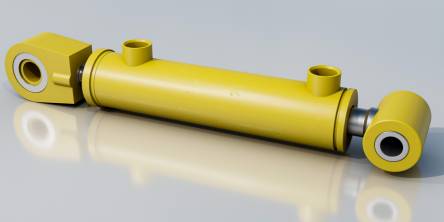
Spot the top 7 warning signs your heavy equipment needs hydraulic cylinder repair, from oil leaks to drift, and learn when to book an inspection.
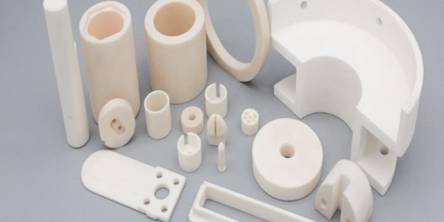
A worn guide, an overheated insulator, or a component that reacts with a cleaning solution can disrupt an otherwise reliable machine. These problems often begin with a material choice that was reasonable during development but becomes unsuitable under actual operating conditions.
Learn about HVAC sheet metal fabrication, including its key processes, materials, applications, and benefits for efficient heating and cooling systems.
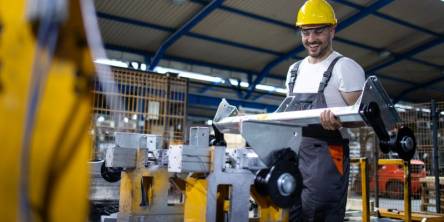
Walk through almost any manufacturing plant and you'll hear the motors before you notice the gearboxes bolted next to them. That's kind of the point
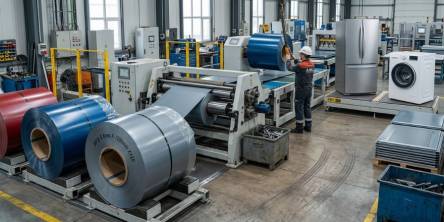
Learn how prepainted steel panels resist corrosion, scratches, UV exposure, forming stress, and finish inconsistency in home appliance manufacturing.