

The Mysteries Behind Leaking Roofs Uncovered
Your roof’s leaking and you don’t know why? What you should know is that if you don’t fix it quickly the water overflow will damage the brickwork, saturate the insulation, rot the window frames and may even cause structural damage. Don’t panic – simply read on to find out some explanations to leaking roofs…
Broken Tiles
If you've got a roof tile missing or damaged this will cause a leaking roof. When the weather has been wet and windy you’re likely to find the tiles on the ground - this will prove your theory. You can fix this problem yourself if you've got safe ladders and the confidence to go onto the roof! You’ll need to pull out any damaged tiles before you can replace them with new, and secure them with nails as you go.
Cracked Flashing
The flashing is located under the tiles and joints of your roof and forms a water-resistant seal. They actually look like long strips of metal but are normally concealed with a topcoat of rubber. If they become exposed due to wear and tear or bad weather they can be subject to cracking. You should be able to replace them in sections, but you’ll need to prise out the old flashing first. Use roofing nails to secure and finish off by applying a coat of roofing sealant for extra protection.
Fallen trees
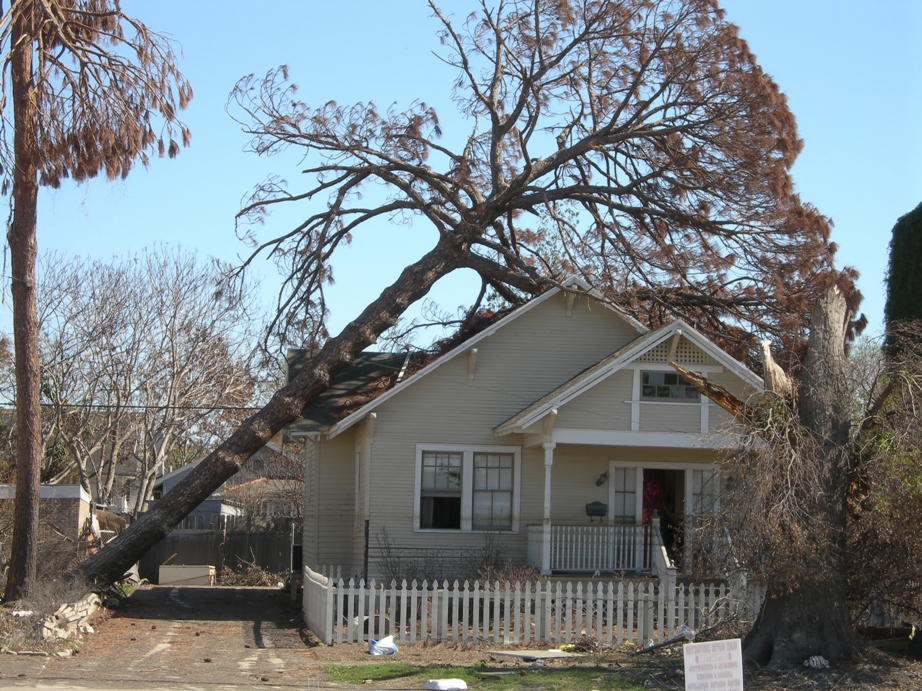 This would be an explanation that you probably would know about as the noise of the tree crashing onto your house would be very loud! You’ll need to go into the attic and check if any of the rafters have been damaged, or if the roof seems to be bowing inwards. Has the roof been punctured by broken branches? Have any splinters pierced the tiles or the sealing? If damage has occurred you may need to cover the attic space with tarpaulin whist you arrange for the tree to be removed and for the roof repair.
Ice Build-up
If you've suffered from a spell of extremely cold weather conditions you may find the reason for the overflow is an ice dam. This is a ridge of ice that forms at the edge of the roof, and stops melting water from being taken away by the drainage system. It’s caused by the heat from your house, particularly your attic, causing the snow to melt. The water then runs between the roof’s surface and freezes again as it meets the freezing cold temperatures on the roof edge. You can try to reach up to the roof with a roof rake to remove the ice.
Blocked Gutters
 Gutters can easily become clogged by falling leaves, bird’s nests and any amount of dirt and debris. Even if you can’t see the blockage itself the tell-tale water running down the brickwork will point you to the right spot. The gutters are the main drainage system to carry water away from the roof so an unattended blockage will soon cause a lot of damage. The weight of the clog may pull the gutter from the fascia boards, or split the actual pipe. You’ll need to climb up to the section of gutter and remove the blockage before flushing the pipes to ensure the rest of the system is clear.
Once you’ve identified the problem you may not be able to fix it yourself. Make a call to a professional gutter cleaning company who’ll have all the equipment to put things right immediately. These days high-tech cleaning methods include extending cleaning poles with cameras on the end. This means that no ladders or scaffolding is needed – all the work is done from ground level. You’ll be given a photograph before the work is done and after it’s completed. Don’t forget your gutters need clearing and cleaning at least twice a year to help prevent any future leaking roofs!
Similar Articles
Heating and cooling equipment affect more than the temperature on the thermostat. It influences comfort between rooms, humidity, airflow, and the condition of the air as it moves through the home.

The key to a minimalist living room is restraint, but that's not enough to make a room feel finis

Rectification of exterior cladding may be required during the lifetime of a building for several reasons: to replace non-compliant cladding/combustible panels, to repair damage, to improve energy efficiency, or to modernise an older building.

A tunnel greenhouse is designed to provide years of growing space, but not every part of the structure has the same lifespan.
Australian hardwood presents a very different challenge from the lighter timber commonly used in many parts of the northern hemisphere.

Why Do Concrete Driveways Turn Orange After Summer Rain? Learn the causes—rust, minerals, irrigation—and how to clean and prevent stains.

DIY mistakes can quickly turn a money-saving project into an expensive repair. Learn how better planning, the right tools and knowing when to call a professional can help you avoid costly setbacks.

Modern bathrooms have evolved from purely functional spaces into relaxing retreats that balance comfort, aesthetics, and practicality.

Bathrooms have evolved far beyond their purely functional role. Today, they're carefully designed spaces that reflect personal style while balancing practicality, durability, and long-term value.