

Microsoft Azure Innovations and Trends to Watch in 2026
The cloud computing market is long past the point of simple migration. It is now defined by the practical application of advanced intelligence and distributed infrastructure. A noteworthy change is that organizations are increasingly shifting away from experimental projects and toward a model in which cloud platforms operate as autonomous systems. This means management of complex workflows with minimal human intervention. For Microsoft Azure, this shift is marked by a move away from static services to an ecosystem that prioritizes agentic scale and highly integrated security frameworks, among other things. Then we must also consider that modern enterprises require a cloud environment that can handle the high concurrency demands of autonomous AI agents. It is imperative to note that this must be achieved while also ensuring regulatory compliance. To cut a long story short: as organizations grow, they must be able to balance performance computing and sustainable power consumption.
In the following section, I will discuss some of the most important trends shaping the future of Azure in 2026.
Azure in 2026: the Most Important Trends to Keep an Eye Out For
Azure is entering a transformative phase in 2026, driven by intelligent automation, adaptive cloud strategies, and deeper AI integration. Organizations are prioritizing scalable, secure, and compliant architectures while leveraging edge computing, real‑time analytics, and global infrastructure expansion to stay competitive in a rapidly evolving digital ecosystem.
Here are some of the important trends based on my experience;
- Stronger hybrid and multi cloud capabilities: Azure Arc has emerged as the central control plane for organizations operating in a variety of environments. This includes data centers on premises and even competing cloud providers. This year Arc's "adaptive cloud" approach will expand as it empowers users to project external resources directly into the Azure portal for unified management. It includes enforcement of consistent security policies and management of Kubernetes clusters with GitOps workflows. This trend will be key to ensuring the consistency of operational experience regardless of where the physical hardware is located.
- Wider adoption of AI and ML: The transition from experimental chat interfaces to agentic AI is a key trend for Azure in 2026. The tech behemoth has launched the Azure AI Foundry and Foundry Agent Service to assist enterprises in creating and managing autonomous agents capable of performing multi step tasks across multiple business systems. The platform now also supports thousands of industry specific models and offers integrated tool chains for retrieval augmented generation (RAG). Oh and AI is now deeply integrated into the infrastructure layer.
- Enhanced security and compliance: The main developments in this regard include the widespread use of phishing resistant authentication methods such as FIDO2 passkeys. In addition, workload identities must be used to eliminate local secret storage. Compliance has also become verticalized, with Microsoft Sentinel now providing specialized solutions for regulations such as DORA and SOX.
- Growth in edge and IoT services: Azure IoT Operations and the Azure Device Registry now offer a more efficient way to register and monitor billions of devices across industrial sites. This year I expect the integration of 5G and edge native AI which will allow real time decision making in myriad industries.
- Expansion of global data centers and regions: Microsoft is expanding its physical footprint to meet the demands for data residency and low latency access. The company plans to set up new data center regions this year. Interestingly, a key focus of this expansion is the establishment of Availability Zones (AZs) in all major regions to ensure high availability and resilience. These new facilities feature AI ready hyperscale infrastructure.
- Increasing focus on real time analytics and verticalized cloud solutions: Azure's transition to "vertical" clouds is now a widely accepted strategy. These clouds are preconfigured with industry standard data models and compliance frameworks. Integration with Microsoft Fabric enables real time analytics by consolidating data from multiple sources into a single "OneLake" repository.
Final Words
As Azure evolves in 2026, its focus on AI‑driven automation, adaptive cloud models, and secure, scalable infrastructure will redefine how enterprises operate. Organizations that embrace these advancements early will be better positioned to innovate, optimize performance, and maintain a competitive edge in an increasingly digital‑first world. Want to leverage these trends for your business too? Then you should start looking for a trusted Microsoft Azure consulting company at the earliest.
Similar Articles

Stay powered and connected with Belkin's portable power banks, chargers, durable cables and routers built for modern devices and everyday reliability.

Learn how Belkin's innovative connectivity solutions, from durable USB-C cables to fast charging, are reshaping everyday tech accessories.

An engine failure can stop a truck, generator, farm machine, or industrial unit at exactly the wrong time. Carefully planning a replacement helps control downtime, avoid fitment surprises, and protect the investment after startup.
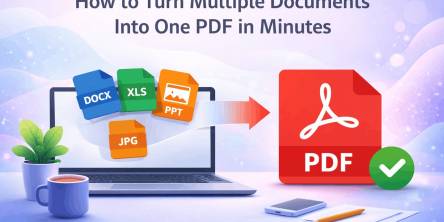
Managing multiple documents can quickly become frustrating. Imagine sending several files in an email, uploading different attachments to a submission portal, or sharing a business report with clients across multiple documents.

Energy efficiency is revolutionizing power distribution, leading to more sustainable and cost-effective energy systems.

Moving has a way of making even organized people feel scattered. One minute you’re labeling boxes. The next, you’re hunting for a receipt, calling the utility company, and wondering where the tape disappeared to.

Apple devices break more than owners expect. This guide shows the cases, screen protectors, and Apple Watch bands that stop cracks, scratches, and costly repairs, plus how to change apple watch band in under a minute.

The aviation industry is rapidly modernizing, shifting from reactive, paper-heavy maintenance to highly automated, predictive ecosystems.

Learn what makes users trust a health app instantly and discover the design, security, and user experience factors that drive long term engagement.