

Maintenance Tips to Extend the Lifespan of Commercial Marina Docks

A bustling marina is a beautiful sight. It's a floating community, a hub of activity, and for its owner, a significant business investment. At the very heart of this operation are the commercial marina docks. They are the essential infrastructure, the "sidewalks" of this aquatic city, providing safe access and moorage for vessels.
But let's be honest: these docks live a hard life.
They are in a constant battle with the elements. They face relentless assault from saltwater or freshwater, UV rays, fluctuating water levels, marine growth, and the occasional (or not-so-occasional) "oops" from a docking boater. Add to that the constant weight and movement of foot traffic and vessels, and it's a recipe for wear and tear.
Ignoring dock maintenance isn't just risky; it's expensive. A neglected dock system will fail prematurely, leading to astronomical replacement costs, operational downtime, and serious safety liabilities.
The good news? Proactive maintenance is far and away the most effective tool you have. By treating your commercial marina docks as the critical assets they are, you can dramatically extend their lifespan, ensure guest safety, and protect your bottom line. Here’s how to do it.
1. The Foundation: Implement a Regular Inspection Schedule
You can't fix what you don't know is broken. The most crucial part of any maintenance plan is a routine, eagle-eyed inspection. This should be broken into tiers.
-
Daily Walk-Throughs: A staff member should walk the docks every single day with a specific checklist. This isn't just a casual stroll. They should be looking for immediate hazards:
-
Loose or wobbly deck boards.
-
Protruding nails or screws.
-
Broken or missing safety equipment (life rings, fire extinguishers).
-
Obvious debris or spills that could cause a slip.
-
Flickering or broken dock lights.
-
-
Monthly Detailed Checks: Once a month, dig a little deeper. This is where you start looking for problems that are developing but haven't failed yet.
-
Fasteners: Check all bolts, nuts, and screws on cleats, pile guides, and dock sections. Tighten anything that's loose. Saltwater vibration and constant use will loosen even the most secure hardware.
-
Cleats: Wiggle every cleat. Check for stress cracks in the decking around the cleat base, which indicates it's under too much strain or the wood is weakening.
-
Bumpers & Edging: Look for worn, compressed, or torn dock bumpers. These are the primary defense against impact.
-
-
Annual/Bi-Annual Professional Inspection: Once a year (or every two years, depending on your environment), hire a professional marine engineer. They will conduct a comprehensive structural review, including an underwater inspection of piles, flotation, and anchoring systems. This is non-negotiable for identifying deep issues like scour (erosion around piles), concrete spalling, or advanced corrosion.
2. Battle the Elements: Environmental & Material-Specific Care
Your dock's material dictates its maintenance needs.
-
For Wooden Docks: Wood is classic and strong, but it's organic. Its enemies are rot, insects, and the sun.
-
Clean & Seal: Regularly clean the docks to remove algae and mildew, which make surfaces dangerously slick and hold moisture. Every 2-3 years, budget for a professional cleaning and re-application of a high-quality marine-grade sealant or stain. This repels water and prevents UV damage.
-
Inspect for Rot: Use an awl or a screwdriver to poke any suspicious-looking or discolored spots, especially around fasteners and joints. If it feels soft or spongy, you have rot that needs to be cut out and repaired immediately.
-
-
For Metal Docks (Aluminum/Steel): Metal is strong, but corrosion is the concern.
-
Check Welds: On steel or aluminum docks, regularly inspect all weld points for any signs of cracking or separation.
-
Fight Galvanic Corrosion: This is especially true for aluminum docks in saltwater. Ensure all fasteners are stainless steel (grade 316 is best) and that sacrificial anodes are in place and replaced as needed. These anodes "sacrifice" themselves to corrosion, saving the more expensive structural components.
-
-
For Composite/Concrete Docks: These are famously low-maintenance, but not no-maintenance.
-
Pressure Wash: Composite decking can get slippery from algae. A light pressure washing (on a low setting) can restore its grip.
-
Inspect for Cracks: On concrete floats or decking, look for "spider-web" or hairline cracks. While often cosmetic, they can allow water to seep in, which then freezes and expands in winter, causing major structural damage. Seal them promptly.
-
3. Focus on the "Unseen" Systems
The most critical parts of your commercial marina docks are often the ones you don't see every day.
-
Floating Dock Specifics: If you have floating docks, your checklist expands.
-
Flotation: Are the docks listing or sitting unevenly? This indicates a failed float (bilge) that is taking on water. It must be patched or replaced.
-
Connectors: Inspect all the flexible connectors, hinges, and "whalers" that link dock sections and finger piers. These are high-motion, high-wear parts. Look for worn-out rubber, elongated bolt holes, or cracked metal.
-
Anchoring: Whether you use piles, cables, or a Seaflex-style system, check the anchoring. Pile guides should have intact rollers. Chains and cables should be checked for wear and proper tension.
-
-
Utilities are Non-Negotiable: This is a life-safety issue.
-
Electrical: Water and electricity are a deadly combination. Test every power pedestal's Ground Fault Circuit Interrupter (GFCI) monthly. Inspect for frayed cords, broken casings, and ensure all junction boxes are watertight. This helps prevent Electric Shock Drowning (ESD).
-
Plumbing: Check all freshwater spigots and lines for leaks, especially before a winter freeze.
-
Conclusion: Maintenance is Management
Your commercial marina docks are the single most important asset of your business. Thinking of maintenance as an ongoing operational cost, not a one-time repair bill, is the key to longevity. A proactive maintenance plan is your best insurance policy. It ensures your docks remain safe for guests, visually appealing for new boaters, and structurally sound for decades to come, protecting your investment from the tide, time, and traffic.
Similar Articles

Stay powered and connected with Belkin's portable power banks, chargers, durable cables and routers built for modern devices and everyday reliability.

Learn how Belkin's innovative connectivity solutions, from durable USB-C cables to fast charging, are reshaping everyday tech accessories.
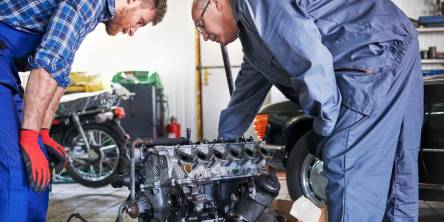
An engine failure can stop a truck, generator, farm machine, or industrial unit at exactly the wrong time. Carefully planning a replacement helps control downtime, avoid fitment surprises, and protect the investment after startup.

Managing multiple documents can quickly become frustrating. Imagine sending several files in an email, uploading different attachments to a submission portal, or sharing a business report with clients across multiple documents.

Energy efficiency is revolutionizing power distribution, leading to more sustainable and cost-effective energy systems.

Moving has a way of making even organized people feel scattered. One minute you’re labeling boxes. The next, you’re hunting for a receipt, calling the utility company, and wondering where the tape disappeared to.
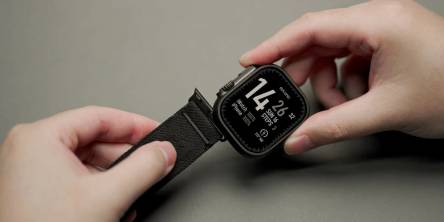
Apple devices break more than owners expect. This guide shows the cases, screen protectors, and Apple Watch bands that stop cracks, scratches, and costly repairs, plus how to change apple watch band in under a minute.

The aviation industry is rapidly modernizing, shifting from reactive, paper-heavy maintenance to highly automated, predictive ecosystems.

Learn what makes users trust a health app instantly and discover the design, security, and user experience factors that drive long term engagement.