

Interactive Video Environments: How They Enhance Learning Outcomes

In this era of digital content consumption, students are likely to get distracted by a boring curriculum. Today, educators realize that seamless & intuitive integration of technology with the curriculum would help students to demonstrate the right eagerness to learn.
And, with the steady rise in digital learning collateral with a fusion of interactive elements the teaching faculty is hoping to create an engaging learning environment that improves the learning outcomes for students. There has been a growing focus on newer and modern means of learning lately and it has further intensified since the coronavirus pandemic started.
Of course, the world was quick to come up with alternative means to ensure continuity and among these different means, none has proven to be quite as effective as video-based learning. However, now that we have mostly adjusted to this new reality, educational service providers are now starting to look for means to further enhance the efficacy of video learning. So, we put together a list of some of the top ways to enhance learning outcomes with video-based learning content.
1. Communicate in real-time: Since online learning is typically administered remotely, there is plenty of concern for the lack of real-time communication and engagement, which is a very important part of the learning process. Thankfully, video-based learning does not have to be devoid of that aspect, thanks to tools such as instant messaging, screen sharing, whiteboards, media exchanges, audio and video chats, etc. All these tools enable real-time collaboration, instant feedback, and other important forms of communication just as well as one expects from a physical classroom.
2. Interactive transcripts: Interactive transcripts are synced transcripts that are presented along with the videos. They display highlighted words, concepts, etc. as the video progresses. It not only helps focus learners’ attention on important concepts but also allows them to look up the required information from the transcript and use it to navigate to precisely the point in the video that offers the information that they are looking for.
3. Knowledge assessment: Just because students are now learning remotely does not mean the process of education must be compromised. This means assessments, quizzes, etc. continue to be an integral part of the process and video-based learning can help with that as well. Once students have engaged with the required video-based material, it is imperative to administer assessments, quizzes, and other such tests and assessment techniques to not only help learners deal with such a passive form of learning but also to ensure they remain motivated and engaged as they continue through the course.
While video-based learning is an already advanced concept, the fact remains that it can still benefit immensely from advanced technologies such as artificial intelligence, mixed reality technologies, etc. Case in point: AR and VR-enabled interactive videos offer learners the opportunity to be completely engaged in contextually relevant content. This, in turn, not only enhances knowledge acquisition but also allows them to practice relevant skills. Then there are 360-degree videos as well, which empower learners with a distinctive learning strategy without necessitating the use of additional equipment. They are not only much more immersive but also enable service providers to simulate training environments sans the risk and high costs.
While video-based learning had already been gathering steam in the past few years, the fact remains their demand has surged ever since the coronavirus pandemic started. With students and learners unable to attend physical classes, such forms of learning are the most efficient and effective at ensuring continuity without compromising the quality of learning. So, if you too wish to integrate such advanced technologies and tools in your educational endeavors, we recommend you start looking for expert VOD app development service providers right away!
Similar Articles

Energy efficiency is revolutionizing power distribution, leading to more sustainable and cost-effective energy systems.

Moving has a way of making even organized people feel scattered. One minute you’re labeling boxes. The next, you’re hunting for a receipt, calling the utility company, and wondering where the tape disappeared to.

Apple devices break more than owners expect. This guide shows the cases, screen protectors, and Apple Watch bands that stop cracks, scratches, and costly repairs, plus how to change apple watch band in under a minute.

The aviation industry is rapidly modernizing, shifting from reactive, paper-heavy maintenance to highly automated, predictive ecosystems.

Learn what makes users trust a health app instantly and discover the design, security, and user experience factors that drive long term engagement.

Learn how Thunderbolt 4 docking stations support multiple displays, deliver fast data transfer, and create a streamlined, productive workspace.
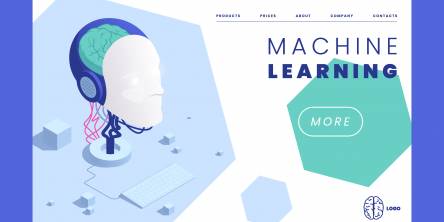
Learn how ML development teams measure ROI from machine learning investments by tracking revenue growth, cost savings, productivity gains, risk reduction, and long-term business outcomes.

Whether you are storing personal photos, school projects, work documents, or business files, cloud storage makes it easy to access your data from anywhere with an internet connection.
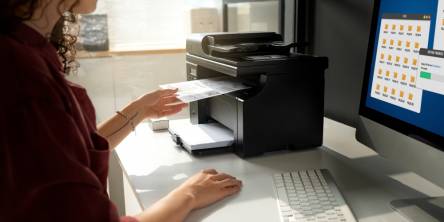
Find the best wireless label printer for your business. Compare the MUNBYN RW403B, RW405B, RW941B, and RW401AP to discover the right model for shipping, product labeling, print quality, and mobile workflows.