

How To Take Care of Your Braces

Braces are an amazing way to correct the alignment of your teeth by putting pressure on them to put them into position, giving you the perfect smile you always wanted. It might not be a pain-free process, especially if your teeth are really misaligned, and you will face some difficulty in eating, talking, and even sleeping at night. They are required to be worn for at least two years, and it is highly crucial you take care of your oral hygiene throughout this period. This article will give you some tips as to how you can achieve that.
Having good habits: You need to make sure that you are keeping your teeth healthy and maintained with braces. This means you should develop a care routine that you should follow religiously. With braces, you will always have food stuck between the wires, which can potentially lead to plaque if you don’t clean it out properly. In order to avoid this happening, make sure you have a regimen that involves your teeth being brushed, flossed on a regular basis.
Follow what your orthodontist says: Your orthodontist will be telling you things that you should to maintain oral hygiene and take care of your teeth better, it is imperative that you follow this. This advice will also aid you with helping your braces work better. You should even ask your orthodontist specific questions as to how you can take care of your braces and teeth, and do additional things.
Diet: Your diet should be braces friendly in order to avoid food getting stuck in the wires. You should also eat food that doesn’t erode your tooth enamel which means you should have food will low levels of acidity like bananas, eggs, rice, seafood, and these foods should be soft otherwise hard food may damage your braces and give you cuts in your mouth. It is also advised to avoid eating food high in sugar that could potentially lead to tooth decay because it is harder to clean teeth with braces and this could lead to a lot of residues being left behind.
Foods to avoid: Your orthodontist will be telling you about the foods you should be avoiding with braces, and these will usually include chewy, sticky or hard foods such as caramel candies, popcorn, hard fruits like apple etc. You will also have to be careful about anything you put in your mouth in case you have any bad habits like nail biting that could mess up the brackets and wires of your braces.
Mouthwash: You should make mouthwash your best friend because it will help remove any leftovers for your mouth after brushing.
Toothbrush and flossing: Consider getting an electric toothbrush if you don’t already have one as an investment for your teeth. These tend to work better on the braces brackets and will enable in proper maintenance. Even though flossing won’t be the easiest task, you should definitely try doing it after a meal by threading the floss between the wires but make sure to do it very gently because it flossing too hard can damage the wires and the brackets which will make an extra trip to the orthodontists.
Taking care of braces will take time and effort, but you should take out the time to these things, otherwise, you might end up with poorly maintained teeth in the long run, which is not the best look. Once you get into the habit, it will be effortless for you and it will be incorporated into your lifestyle. This is something you can also advise your friends and family to do. Just how people take care of their overall hygiene, oral hygiene is just as crucial.
Similar Articles

An implant surgical kit may be complete when purchased but incomplete or unsuitable for a particular appointment. Instruments can be removed for servicing, drills may reach their replacement criteria, and visually similar drivers may belong to another connection.

If your teenager needs orthodontic treatment, you may be considering Invisalign instead of traditional braces.
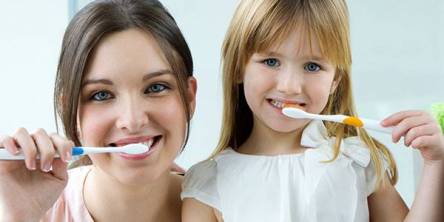
Brushing and flossing every day are the foundation of good oral hygiene, but they cannot always remove everything that builds up on your teeth. Plaque can collect around the gumline and in areas that are difficult to reach.
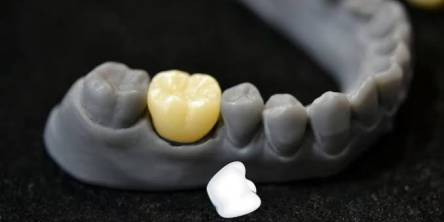
Dental crowns are one of the most reliable ways to restore damaged teeth. Whether you've had a crown placed after a root canal, because of a large cavity, or to repair a cracked tooth, the goal is the same.
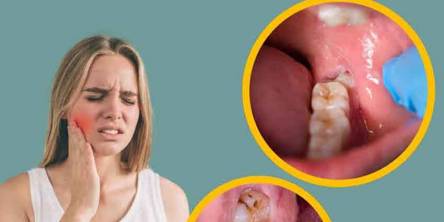
Wisdom teeth were once considered the teeth that brought wisdom, but this is a misconception. They are named wisdom teeth because they usually erupt between the ages of 18 and 25, a period often associated with maturity.
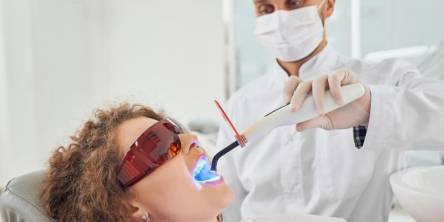
A bright, radiant smile is one of the first things people notice about you, and it can significantly boost your confidence in both personal and professional settings. Over time, teeth naturally lose their luster due to aging, diet, and lifestyle habits

Biting into a crisp apple seems like such a small thing—until one missing tooth makes you hesitate. Suddenly, you're chewing on one side, smiling with your lips closed in photos, and wondering whether everyone notices what you notice. Replacing a missing tooth isn't just about appearance
Gum disease is one of the leading causes of tooth loss in adults. Many people do not realize how serious it can become because the early symptoms often seem minor.
One day, you're biting into a sandwich without a second thought. Next, you're chewing on one side, avoiding mirrors, or wondering when smiling became something you overthink.