

How to Select the Right Mirrorless Camera Lens for Your Needs
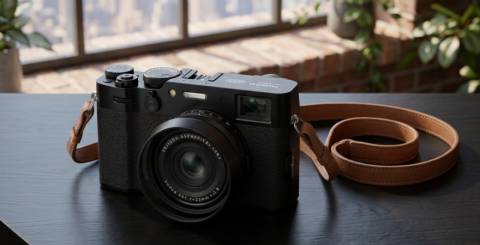
Choosing the right lens is one of the most important decisions any photographer can make. While camera bodies often receive the most attention, it is the lens that truly shapes the final image. From sharpness and depth to perspective and clarity, the lens plays a central role in defining your photography style. For users of a mirrorless camera, selecting the right lens can unlock the full potential of the system and elevate your overall shooting experience.
With a wide variety of lenses available today, each designed for specific purposes, the selection process can feel complex. However, by understanding key features and aligning them with your needs, you can make a well-informed decision. This guide explores everything you need to consider when choosing a mirrorless camera lens, ensuring you find the perfect match for your photography goals.
Understanding Your Photography Style
The first step in choosing a lens is identifying what you plan to shoot most often. Different photography styles require different types of lenses, and knowing your priorities will help narrow down your options.
Common photography styles include:
- Portrait photography
- Landscape photography
- Street photography
- Wildlife photography
- Sports and action photography
- Travel and everyday photography
For example, portrait photographers often prefer lenses with wider apertures for background blur, while wildlife photographers need lenses with long focal lengths to capture distant subjects. Understanding your style ensures that your lens supports your creative vision.
Focal Length: The Foundation of Lens Choice
Focal length determines how much of a scene your camera can capture and how close your subject appears. It is measured in millimeters (mm) and typically falls into several categories:
- Wide-angle (10mm–35mm): Ideal for landscapes and architecture
- Standard (35mm–70mm): Suitable for everyday photography
- Telephoto (70mm and above): Perfect for wildlife, sports, and distant subjects
A shorter focal length captures a wider field of view, while a longer focal length brings distant subjects closer. Choosing the right range depends on your intended use.
For beginners, a versatile zoom lens covering multiple focal lengths can be a practical starting point.
Prime vs. Zoom Lenses
One of the most common decisions when selecting a lens is choosing between prime and zoom options.
Prime lenses have a fixed focal length. They are known for:
- Superior image quality
- Wider apertures
- Lightweight design
However, they require you to move physically to adjust framing.
Zoom lenses, on the other hand, offer variable focal lengths. They provide:
- Greater flexibility
- Convenience for travel and events
- Ability to frame shots quickly
While zoom lenses are versatile, they may not always match the optical performance of prime lenses.
Your choice depends on whether you prioritize convenience or image quality.
Image Stabilization
Image stabilization helps reduce blur caused by camera movement. This feature is especially useful when shooting handheld or in low-light situations.
Some lenses include built-in stabilization, while others rely on in-body stabilization provided by the camera. When using a mirrorless camera, it is important to check whether stabilization is available in the body, the lens, or both.
Having stabilization can make a noticeable difference in image sharpness, particularly for longer focal lengths.
Autofocus Performance
Modern lenses come equipped with advanced autofocus systems that enhance speed and accuracy. This is particularly important for capturing moving subjects or spontaneous moments.
Look for features such as:
Fast and silent autofocus motors
Eye and face detection compatibility
Continuous tracking capabilities
A responsive autofocus system ensures you don’t miss critical moments, especially in dynamic shooting environments.
Lens Compatibility and Mount System
Every camera brand uses a specific lens mount, which determines compatibility between the camera and the lens. Before purchasing, ensure that the lens is designed for your camera’s mount system.
Many manufacturers also offer adapters that allow you to use older lenses with newer systems. However, using adapters may affect autofocus performance and overall usability.
Sticking to native lenses designed for your mirrorless camera lens system often provides the best performance and reliability.
Build Quality and Durability
The construction of a lens affects both its longevity and usability. High-quality lenses are built to withstand regular use and challenging conditions.
Key aspects to consider include:
Weather sealing
Smoothness of focus and zoom rings
If you frequently shoot outdoors, a durable lens with weather resistance can provide added protection against dust and moisture.
Size and Weight
One of the main advantages of mirrorless systems is their compact design. However, lenses can vary significantly in size and weight.
Consider how portable you need your setup to be. A lightweight lens is ideal for travel and everyday use, while larger lenses may offer better performance but can be less convenient to carry.
Balancing portability with functionality is essential for maintaining a comfortable shooting experience.
Budget Considerations
Lenses are available across a wide price range, from affordable entry-level options to premium professional models. While it may be tempting to choose the cheapest option, it’s important to consider long-term value.
A good lens can last for many years and often outperforms multiple camera body upgrades. Investing in quality optics can significantly enhance your photography results.
Set a budget that aligns with your needs and prioritize features that matter most to you.
Third-Party vs. Brand Lenses
In addition to lenses made by camera manufacturers, there are many third-party options available. These lenses are often more affordable and can offer excellent performance.
However, it’s important to research compatibility, build quality, and user reviews before making a decision. Brand lenses typically provide seamless integration, while third-party lenses may vary in performance.
Choosing between the two depends on your budget and willingness to explore alternatives.
Future-Proofing Your Choice
When selecting a lens, consider how it fits into your long-term photography journey. Think about:
- Whether it complements your existing gear
- Its relevance to your future shooting plans
- Its compatibility with potential upgrades
A well-chosen lens can remain a valuable part of your kit for years, even as you upgrade your camera body.
Practical Tips Before Buying
Before finalizing your purchase, keep these practical tips in mind:
- Try the lens in-store if possible
- Read user reviews and sample images
- Check for firmware updates and compatibility
- Compare multiple options within your budget
Taking the time to research and test your options can prevent disappointment and ensure you make the right choice.
Conclusion
Selecting the right mirrorless camera lens is a crucial step in building a successful photography setup. By understanding your needs, exploring different lens types, and evaluating key features such as focal length, aperture, and autofocus, you can make an informed decision that enhances your creative potential.
While a mirrorless camera provides the foundation, the lens ultimately defines the quality and character of your images. Taking the time to choose wisely ensures that your equipment supports your vision and helps you capture moments with clarity and precision.
Similar Articles
Commercial photography requires precision, clarity, and professional-level image quality. Whether photographing products, fashion, food, or corporate portraits, the equipment used in the studio plays a crucial role in achieving the desired results

Cameras have long been one of the most revolutionary inventions in human history, transforming the way we capture, preserve, and share memories.

Product photography plays a vital role in attracting customer attention and getting sales. As we enter the year 2025, we must adapt to the rising trends of photography to stay abreast of the world.

Long-term time-lapse cameras have become a game-changer in various industries. With the ability to capture slow processes over extended periods, these cameras offer a unique perspective on changes that would otherwise go unnoticed.
When digital cameras began to become widely available and somewhat affordable, it seemed as if analogue cameras would fall into obscurity in the face of this seemingly superior technology.
For budding photographers, there’s a good amount of info out there. You can find out about apertures, lenses, and exposure times pretty easily

"No one is perfect on this globe; we all make mistakes at some point." This adage also applies to the photography profession, especially to new photographers. Some people are gifted with great photography skills, while some are not.
Not every picture you take might turn out the way you would expect it to. Thankfully there are many photo editing programs that can help you give some finishing touches and add artistic visions to your pictures.

It is a common question asked by photography clients; Where is the best place to get pictures taken? Should I choose an indoor studio location, an industrial park, or maybe a place full of trees? What are the most popular spots your clients choose to take photos?