

How to Select a Reliable Commercial Roofing Contractor in Brevard County
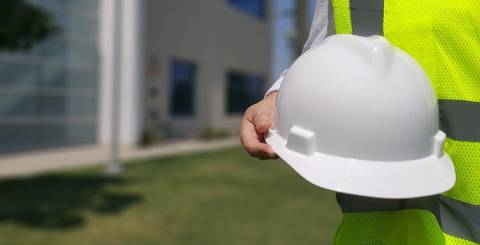
If you own commercial property or are having a new building constructed, you will need a commercial roofing contractor for your project. The contractor you choose is one of the most important decisions you’ll make prior to having a new roof installed on your property.
It’s essential that you choose one that is reliable and well-known for commercial roof replacement in Brevard County. The following tips will help you find the contractor who is the right fit for the job.
Experience Is a Must
As you go through area commercial roofing contractors, you want to be sure they have the experience you need. Ideally, they will have been in business in Brevard County for many years and have all the proper licenses, certifications, and insurance required. They should also be experienced with all types of commercial building roofing materials.
Get Referrals
If you know other commercial property owners in the area, ask them which contractor they used for their roofing project. Look for those that are similar in style to your building for a better comparison.
Checking with the Better Business Bureau can help you avoid choosing commercial roofing contractors that have a bad reputation. You should also ask each contractor you contact for a list of their previous work. A reputable commercial roofing contractor will be happy to provide you with these details, though it is up to you to check these references.
Ask How Many People Work For Them
Some commercial roofing companies may not be large enough to handle the scope of your job. Make sure you ask how many people they have and if they can manage to complete your project on a reasonable timeline.
Learn More About Their Safety Record
Commercial roofing companies that make safety a priority for both employees and customers are the best ones to choose. When safety is put first, it tends to reveal a strong work ethic and a culture of caring about each roofing job.
Get Everything in Writing
Once you narrow down your list and get estimates, you should get every detail in writing. As a savvy business owner, you know how important the details are in contracts. A typical contract for a roofing project should include a pricing estimate, warranty information, payment information, timelines, and details about procedures in the event of unforeseen circumstances such as delays or increased costs.
Don’t forget to go through the contract line by line and ask questions if something isn’t clear. If something you discussed with the contractor isn’t on the contract, don’t sign it until a new draft is made with those details included.
Price Shouldn’t Be Your Only Focus
You’ll likely have a budget you need to adhere to, but choosing the commercial roofing contractor who offers the lowest price may come back to haunt you. Some companies will cut costs by using cheaper materials or shoddy workmanship. Remember, you’re investing in your company with this project. Be sure that you’re choosing a reliable commercial roofing contractor, not just the one who provides the cheapest offer.
Ask Questions
Any commercial roofing contractor who becomes impatient with your questions doesn’t deserve your business. Reliable contractors know that this is new territory for most people and they will take the time to explain everything to you.
Think of your commercial roofing contractor as a partner in business. You should be able to count on them to do the job right. This way, you’ll be able to count on your commercial roof for years to come and have complete peace of mind that all employees and customers feel safe when on the property.
Similar Articles

Running out of room? Happens to almost everyone eventually. Garages fill up, closets overflow, and suddenly the lawnmower is living next to the holiday decorations in some awkward standoff.
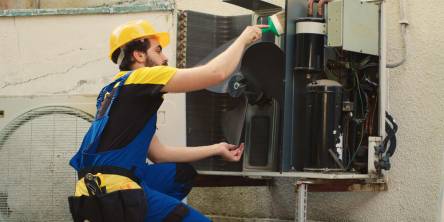
Heating and cooling equipment affect more than the temperature on the thermostat. It influences comfort between rooms, humidity, airflow, and the condition of the air as it moves through the home.

The key to a minimalist living room is restraint, but that's not enough to make a room feel finis
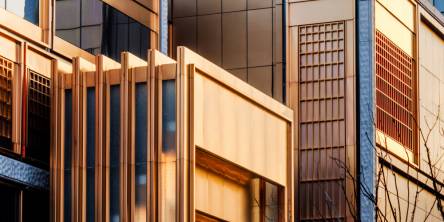
Rectification of exterior cladding may be required during the lifetime of a building for several reasons: to replace non-compliant cladding/combustible panels, to repair damage, to improve energy efficiency, or to modernise an older building.
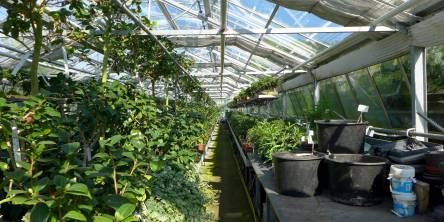
A tunnel greenhouse is designed to provide years of growing space, but not every part of the structure has the same lifespan.
Australian hardwood presents a very different challenge from the lighter timber commonly used in many parts of the northern hemisphere.

Why Do Concrete Driveways Turn Orange After Summer Rain? Learn the causes—rust, minerals, irrigation—and how to clean and prevent stains.

DIY mistakes can quickly turn a money-saving project into an expensive repair. Learn how better planning, the right tools and knowing when to call a professional can help you avoid costly setbacks.
Modern bathrooms have evolved from purely functional spaces into relaxing retreats that balance comfort, aesthetics, and practicality.