

How Seasonal Weather Impacts Your Home’s Exterior
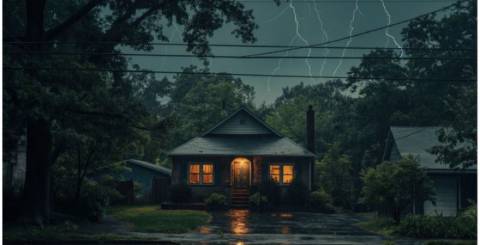
The exterior of your home is the first thing to deal with the elements and with each season, your home will be challenged in a certain way. Rain, wind, snow and even heat do their job, they erode materials gradually and homeowners have no choice but to be vigilant. Knowledge on weather effects on siding, decks, driveways and roofing may help you take precautionary measures and keep your property in good value and good appearance.
Rain and Moisture: The Silent Enemy
Most climates have rain as a constant factor and though it might not appear to be dangerous, water is also among the most destructive factors to the exterior of a home.
Siding: The moisture can cause wood siding to decay or to bend. Vinyl siding is also less susceptible to rot, and may still have the water stagnate behind it, when poorly fitted. Though tough, fiber cement siding can take in water in places that have not been properly sealed resulting in damage that is seen over time.
Decks: Wooden decks are extremely susceptible to rain. Lack of a protective sealant means that water can enter into the grain resulting in swelling, cracking and growth of mildew. It undermines the design and reduces its life span.
Driveways: Concrete and asphalt driveways trap water that in turn swells during colder seasons when it is frozen. This freeze thaw cycle results in cracks and potholes. Drainage problems may also increase the rate of deterioration of driveways in rainy areas.
Roofing: Roof shingles are to shed water, however, the rainfall and the bad drainage systems may overpower them. When gutters are blocked, the water can stagnate on the roof resulting in leakages and moulds in the attic.
Wind: The Force of Wear and Tear
High winds might not be as destructive as rain or snow, but they can cause havoc on the exterior of your house in less obvious ways.
Siding: Strong winds have the ability to loosen siding panels, particularly when they were not attached correctly. After the wind acquires access, it will either peel off siding or permit water to enter.
Decks: Branches or leaves, which are blown by the wind, can scratch or leave dents in wooden and composite decking. This physical wear accumulates over time and therefore necessitates refinishing more often.
Driveways: Wind does not actually harm driveways, however it adds to the problem, as the wind brings the dirt, sand and leaves that accumulate in cracks and makes erosion even worse.
Roofing: Roof shingles suffer major effects of high winds. Shingles may be blown open even by moderately strong winds. Shingles can be removed once they are lifted exposing the roof to leaks. A roof that is exposed to wind stress severely diminishes the capability of protecting your home.
Also Read: The Backyard Transformation Only a Deck Can Deliver
Snow and Ice: The Winter Mass
Problems with winter weather are a different thing. Snow and ice are tremendously heavy, wet and unforgiving of exterior materials.
Siding: Moisture that accumulates against the siding traps moisture resulting in warping, rot or mildew. The ice melt chemicals may splash onto the siding on a driveway or sidewalk, and result in discoloration or chemical damage.
Decks: Snow piling imparts a lot of weight on decks. Failure to clear leads to the moisture getting into the boards causing long-term damages. Ice may also cause the surfaces to be slippery which contributes to safety hazard.
Driveways: It is the driveway that might be the largest casualty of snow and ice. The freeze-thaw cycle is particularly severe here which leads to expansion of cracks and potholes. De-icing chemicals (rock salt and other chemicals) speed up wear on the surface especially on the concrete.
Roofing: The heavy snow may strain the structure of the roof, particularly the flat or low-slope roof. Another significant issue is ice dams. They are formed by freezing snow at the eaves and preventing the flow of water. This pushes water against shingles and makes it leak and damages the inside of the home.
Heat and Sun: The Summer Stress
Summer might be a period of rest, but the heat of the sun may cause havoc on the exterior of your home.
Siding: Overtime exposure to UV rays is seen to fade the paint and warp vinyl siding. Unless sealed, the wood siding dries out and can crack.
Decks: Wooden decks bleach and splinter in the sunlight. It is also more likely to result in more frequent maintenance since the heat rapidly wears down protective sealants. Composite decks are more resilient and may get uncomfortable to walk on.
Driveways: Asphalt driveways are mostly prone to heat. The presence of the high temperatures causes the surface to be softened resulting in ruts or depressions caused by heavy vehicles. Concrete however, is able to expand when hot thus causing cracks occasionally.
Roofing: Roofing materials are degraded by the sun overtime. In the extreme UV light Asphalt shingles can blister, curl, or lose protection granules. This does not only make the roof less visible but also less effective in guarding your home about rain and wind.
Why Roof Cleaning Matters After Seasonal Changes
The roof is, perhaps, the most exposed of all the exterior elements. The seasons provide debris, dirt and stress that when not taken care of reduce the lifespan of the roof.
Shingles and Debris: Debris and leaves fall on the roofs after fall and winter. These substances hold moisture against the shingles and this encourages the growth of rot and molds. This debris is swept away by roof cleaning and the roof is made to shed away water again.
Growth of Moss and Algae: In wet climates, streaks of algae and moss coverages are widespread. Although they might appear to be cosmetic problems, moss can pick up the shingles and make the water trickle under them. Constant cleaning maintains the growth of the body and avoids structural damage.
Lifespan Roofing: Roof cleaning is one of the most significant ways to make shingles last a long time as it eliminates seasonal accumulation and removes water intrusion. This is one proactive measure that simply helps to minimize the need to repair or upgrade it at high costs. Many homeowners rely on regular roof cleaning services as a preventive measure to help their homes withstand the region’s seasonal weather shifts.
Home Security: How to Keep Your Home Safe All Year round
In order to prevent the exterior of your home due to the effects of the season, you can consider the following preventive steps:
- Check and repair siding: Check cracks, gaps or warping often and reseal with siding.
- Keep your deck in good condition: use annual applications of weatherproof sealant and remove snow fast in the wintertime.
- Tend to your driveway: Fill in cracks prior to winter and remove the debris caused by wind or rain.
- Wash and check the roof: Have roofs washed and inspect shingles after big storms.
- Gutter cleaning: Clean up gutters to avoid water pooling and ice dams.
Final Thoughts
Challenges facing each season, the exterior of your home can withstand them with proper maintenance. Rain wet, wind loose, snow heavy, sun faded--but when you carefully maintain your siding, your decks, your driveways, your roofing and above all, then your home is tough and solid. These inspections and preventive treatments like cleaning and sealing of the roof after every season guarantee that seasonal weather leaves fewer permanent scars. You not only save the functionality of your home by knowing these impacts and acting before it is too late but also the beauty and the value of your home in the long run.
Similar Articles
Most of the decisions that make or break a detached garage happen before a single wall goes up.

If you have ever cleared the dining table for a blow-up mattress, or given up your own bedroom for a week while relatives filled the house, you already understand the problem.

According to environmental studies, the average person spends roughly ninety percent of their life indoors. This staggering reality has sparked a widespread shift in how we approach interior spaces, especially as remote work and digital lifestyles keep us tethered to screens.

The garden has quietly become the most valuable extra room in the British home. With hybrid working now a fixture rather than a phase, the wider outdoor-living economy is booming.
Most people who hire a skip bin for the first time arrive at the decision under some degree of pressure. The renovation has started, the waste is accumulating, and the question of what to do with it has become urgent.

Most homeowners approaching a granny flat project spend considerable time thinking about the end result and considerably less time thinking about the floor plan decision that will largely determine what that result looks and feels like.

Running out of room? Happens to almost everyone eventually. Garages fill up, closets overflow, and suddenly the lawnmower is living next to the holiday decorations in some awkward standoff.

Heating and cooling equipment affect more than the temperature on the thermostat. It influences comfort between rooms, humidity, airflow, and the condition of the air as it moves through the home.

The key to a minimalist living room is restraint, but that's not enough to make a room feel finis