

How Modern Roofing Materials Improve Energy Efficiency
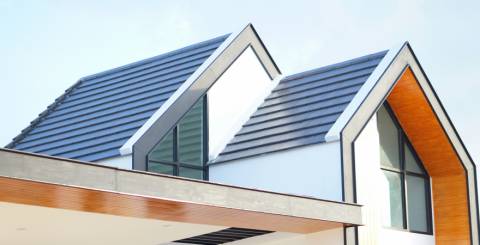
Energy efficiency has become a top priority for homeowners as energy costs rise and comfort expectations increase. While many people focus on windows, insulation, or appliances, the roof plays a major role in regulating indoor temperatures. Because it is constantly exposed to sunlight and weather, the roofing system directly affects how much heat enters or escapes a home.
Advances in roofing technology have introduced materials designed to reflect heat, improve insulation performance, and reduce overall energy loss. These improvements go far beyond traditional roofing functions and contribute to long-term savings and comfort. This efficiency-focused approach is often highlighted by Ridge Runner Roofing when homeowners explore options that go beyond basic protection.
Understanding how modern materials influence energy performance helps homeowners make informed decisions. The right choices can lower utility bills, stabilize indoor temperatures, and reduce strain on heating and cooling systems.
Why the Roof Matters for Energy Performance
The roof is one of the largest surface areas of a home exposed to the elements. Sunlight, heat, wind, and cold all interact with roofing materials daily.
When a roof absorbs excessive heat or allows air leakage, indoor temperatures fluctuate. Energy-efficient materials help manage this exchange, keeping conditioned air where it belongs.
Heat Absorption and Reflection Explained
Traditional roofing materials often absorb large amounts of heat, especially in warmer climates. This heat transfers into attic spaces and living areas.
Modern materials are designed to reflect more sunlight. By reducing heat absorption, they help maintain cooler indoor temperatures during hot months.
The Role of Reflective Roofing Surfaces
Reflective surfaces bounce solar radiation away from the home. This reduces the amount of heat entering the structure.
Homes with reflective roofing materials often experience lower attic temperatures, which eases the workload on cooling systems.
Improved Insulation Integration
Modern roofing systems are designed to work more effectively with insulation. Together, they create a stronger barrier against heat transfer.
Proper integration during Roof Installation ensures insulation performs as intended, supporting year-round energy efficiency.
Ventilation and Energy Balance
Ventilation is essential for managing heat and moisture. Modern roofing designs incorporate better airflow strategies.
Balanced ventilation prevents heat buildup in attic spaces and supports consistent indoor temperatures without overworking HVAC systems.
How Material Choice Affects Cooling Costs
Cooling costs are heavily influenced by roof performance. Materials that reduce heat absorption lower indoor temperatures naturally.
This reduces the need for constant air conditioning, leading to noticeable energy savings over time.
Cold Weather Efficiency Benefits
Energy efficiency is not limited to warm climates. In colder conditions, modern roofing materials help retain heat.
By minimizing heat loss, these materials support consistent warmth and reduce heating demand during winter months.
Reducing Temperature Fluctuations Indoors
Poor roofing systems allow rapid temperature changes inside the home. This creates discomfort and increases energy use.
Energy-efficient materials stabilize indoor conditions, creating a more comfortable living environment throughout the day.
Moisture Control and Energy Performance
Moisture affects insulation performance. Damp insulation loses effectiveness and increases energy consumption.
Modern roofing materials and designs help manage moisture, preserving insulation efficiency and structural integrity.
Durability and Long-Term Efficiency
Energy efficiency depends on long-term performance. Materials that degrade quickly lose their reflective and insulating properties.
Modern roofing materials are engineered for durability, helping maintain efficiency benefits over many years.
The Impact of Color and Finish
Color plays a role in energy performance. Lighter-colored materials typically reflect more sunlight than darker ones.
Modern options offer a range of finishes that balance aesthetic appeal with energy efficiency goals.
Reducing Strain on HVAC Systems
When the roof helps regulate temperature, heating and cooling systems do not have to work as hard.
This reduced strain extends equipment lifespan and lowers maintenance costs over time.
Environmental Benefits of Energy-Efficient Roofing
Lower energy use reduces overall environmental impact. Efficient roofing materials support reduced energy consumption and emissions.
These benefits contribute to broader sustainability goals while also lowering household expenses.
Planning for Efficiency From the Start
Energy efficiency is most effective when considered early. Material selection, ventilation planning, and insulation coordination all matter.
Thoughtful Roof Installation ensures that each component supports the others rather than working in isolation.
Adapting to Climate and Location
Different climates require different efficiency strategies. Modern roofing materials are available to suit varied environmental conditions.
Tailoring choices to local climate improves overall performance and comfort.
The Importance of Proper Installation
Even the best materials cannot perform well if installed incorrectly. Precision and technique matter.
Ridge Runner Roofing emphasizes that proper installation is essential to achieving the full energy benefits modern materials offer.
Long-Term Cost Savings
While energy-efficient materials may involve higher upfront costs, long-term savings often outweigh initial investment.
Lower utility bills and reduced maintenance contribute to financial benefits over time.
Improving Indoor Comfort
Energy efficiency is not just about cost. Comfortable, stable indoor temperatures improve daily living quality.
Modern roofing materials help eliminate hot and cold spots within the home.
Supporting Home Value
Energy-efficient features are increasingly attractive to buyers. Homes with documented efficiency upgrades often stand out.
A well-planned roof upgrade supports both comfort and resale appeal.
Combining Efficiency With Aesthetics
Modern materials offer efficiency without sacrificing appearance. Homeowners can choose styles that complement design preferences.
This flexibility allows efficiency upgrades to blend seamlessly into overall home aesthetics.
Professional Guidance Enhances Results
Choosing the right materials requires understanding performance characteristics. Professional input helps align goals with options.
Ridge Runner Roofing often guides homeowners through material selection to ensure energy efficiency goals are met realistically.
Why Modern Materials Are a Smart Investment
Energy costs continue to rise, making efficiency increasingly valuable. Roofing systems that support energy savings provide long-term advantages.
Modern materials transform the roof into an active contributor to home performance rather than a passive barrier.
Conclusion
Modern roofing materials have changed how roofs contribute to energy efficiency. By reflecting heat, supporting insulation, and improving ventilation, they help regulate indoor temperatures and reduce energy use year-round.
A well-executed Roof Installation using modern materials delivers lasting benefits in comfort, cost savings, and performance. With informed planning and expert guidance from Ridge Runner Roofing, homeowners can turn their roof into a key component of an energy-efficient home, protecting both their living environment and long-term investment.
Similar Articles
Most of the decisions that make or break a detached garage happen before a single wall goes up.
If you have ever cleared the dining table for a blow-up mattress, or given up your own bedroom for a week while relatives filled the house, you already understand the problem.
According to environmental studies, the average person spends roughly ninety percent of their life indoors. This staggering reality has sparked a widespread shift in how we approach interior spaces, especially as remote work and digital lifestyles keep us tethered to screens.

The garden has quietly become the most valuable extra room in the British home. With hybrid working now a fixture rather than a phase, the wider outdoor-living economy is booming.

Most people who hire a skip bin for the first time arrive at the decision under some degree of pressure. The renovation has started, the waste is accumulating, and the question of what to do with it has become urgent.

Most homeowners approaching a granny flat project spend considerable time thinking about the end result and considerably less time thinking about the floor plan decision that will largely determine what that result looks and feels like.

Running out of room? Happens to almost everyone eventually. Garages fill up, closets overflow, and suddenly the lawnmower is living next to the holiday decorations in some awkward standoff.
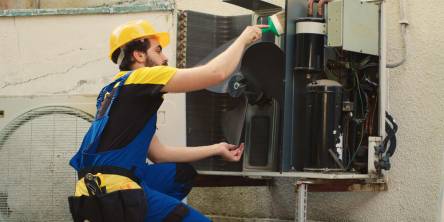
Heating and cooling equipment affect more than the temperature on the thermostat. It influences comfort between rooms, humidity, airflow, and the condition of the air as it moves through the home.
The key to a minimalist living room is restraint, but that's not enough to make a room feel finis