

How to Run a Restaurant Amid Lockdown Restrictions
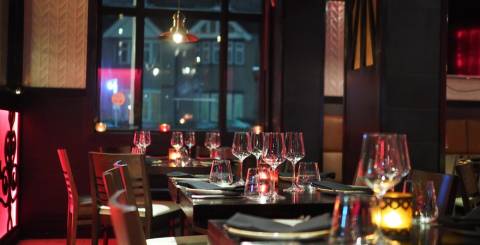
Although many industries have been hit hard by the current COVID-19 pandemic, the hospitality sector has been particularly affected. With social distancing measures preventing people from gathering in one place and lockdown restrictions stopping people from going out and about for leisure or recreation, the vast majority of hospitality venues have been forced to shut their doors for the foreseeable future.
Although lockdown restrictions are beginning to be relaxed in the UK and in other countries, restaurants are likely to be one of the last types of businesses allowed to reopen. Due to the relatively close proximity of guests when they’re seated at tables, it’s believed that this level of social interaction would pose too great a risk to justify opening restaurants, bars or pubs at this stage.
While the safety of society must come first, the economic impact of coronavirus means that many businesses will struggle to survive a lengthy trading suspension. With restaurant owners still required to pay bills, such as rent and utilities, companies are facing significant outgoings without making any revenue.
Diversifying Your Business in Response to COVID-19
Despite the restrictions, there are ways to diversify your business and overcome the challenges you’re facing. While it won’t necessarily be easy to modify your operations in accordance with the restrictions, it can be done. What’s more, it can be done safely and cost-effectively, which means you could reopen for business sooner than you think.
If you’re eager to get your business back on track, take a look at these key considerations for running a restaurant amid lockdown restrictions:
1. Stay up to date
COVID-19 spread around the world at an alarming pace and, since then, updates have been coming thick and fast. Lockdown measures have been introduced suddenly and confusion over their easement has left many people unsure what is and isn’t permitted. If you’re thinking of trading in any way, it’s vital you stay up to date with the latest guidelines and implement them within your business.
Even when lockdown restrictions are lifted further, it’s possible they could be reinforced if the rate at which the virus spreads increases. Due to this, you’ll want to be on top of what’s happening so that you can adjust your protocols accordingly and maximise your trading abilities.
2. Explore new markets
Being able to diversify your business might just be the thing that helps you to overcome the economic challenges brought by coronavirus. While restaurants are still unable to reopen as normal in the UK, you may be able to operate if you can modify your services and reach a new market.
Although you won’t be able to welcome diners into your restaurant for the foreseeable future, for example, you can offer a food delivery service, providing you implement strict social distancing measures in the workplace. A B2C food delivery service could appeal to a significant number of people at this time, particularly when people are unable to access the shops as freely as they once were.
Alternatively, you may want to develop a B2B food delivery service to cater to the essential workers who remain on-site in their respective workplaces. You may even decide to tap into the virtual market and deliver online cookery lessons to millions from your restaurant kitchen. With so many options available, there are certainly plenty of opportunities to diversify your activities and re-engage with a growing market.
3. Increase your resources
As your company activities evolve, the resources you require will alter too. When you’re introducing new services or amending existing ones, it’s vital to have the equipment you need to meet demand. For restaurants, access to safe refrigeration facilities is critical and temporary refrigerator trailer hire could be just what you’re looking for.
With the option to install restaurant-grade refrigeration facilities on your property, you can expand your resources, increase production, and broaden your range of services. In addition to this, having a temporary refrigerator trailer on your property gives staff more space to access the resources they need, which is important while social distancing measures remain in place. With employees able to operate at optimal efficiency levels, an increase in resources could have a significant impact on your bottom line.
Preparing to Re-open your Food Business
There’s already talk of allowing restaurants to serve food to diners outside, so it may not be too long before you can re-open your business in a meaningful way. In the meantime, however, diversifying your business, staying up to date with the evolving guidelines, and increasing your access to critical resources is the best way to ensure your food business triumphs over the challenges COVID-19 has brought to the industry.
Similar Articles
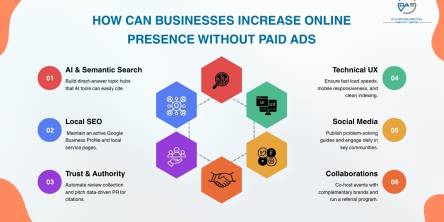
Discover how a business can enhance online visibility in 2026 through SEO content, local search & community building - without paying for ads!
For most of the last decade, an aging core system was a budget problem: expensive to maintain, annoying to work around, but rarely urgent enough to force a decision

For most businesses in 2026, Action Packaging takes the top spot. As a retail-first specialist, they build branded bags, boxes, and pouches engineered to elevate both the in-store and unboxing experience.

Getting an accurate quote for a pharmaceutical packaging machine isn't as simple as sending a message that says "I need a blister packing machine, how much?" Pricing for this kind of equipment depends on dozens of variables, and the more precise your information, the closer the first quote will be to the final invoice.

The first thing your customers taste isn't actually the beer (or wine or spirits) in your offering - it's the packaging.

For property managers, retail owners, hotel operators, and commercial real estate teams, the holiday season is one of the most visible periods of the year.

Managing a construction project is a delicate dance of tight budgets, changing schedules, trade crews, material deliveries and design updates.
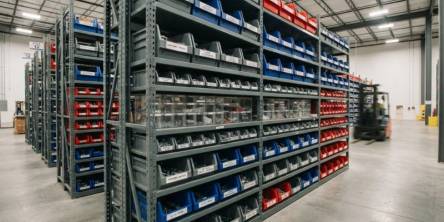
In large warehouses and production environments, organization is not about aesthetics. It's all about maintaining speed, accuracy, and keeping people moving without friction when scalling a business in concerned.

Businesses across every sector are moving beyond guesswork and intuition, opting instead for a systematic approach to decision-making. Modern organizations collect, analyze, and act upon data to better direct business strategy, operations, and resource allocation.