

How Expense Management Software Benefits Its End Users
Expense management software has a variety of benefits for its different users. In this post, we’ll see what benefits this software can bring for its end users – the traveling employees.
No matter how fancy and how comprehensive a business productivity software solution, if it ultimately does not benefit its users, it is no good. Many organizations would already have some experience with business software installations that fast become obsolete or don’t make a good fit. In this article, let’s talk about expense management software and how it really benefits its users.
No more tedious expense reporting: One of the biggest benefits of this software, and one that is going to be a surefire hit with your employees is that it saves your employees a lot of time and effort. No more do they have to pore over and ponder about their trips and recollect every last detail. No more do they have to spend hours filling out forms and stapling receipts. Using the best expense management software automates a lion’s share of the work and offers convenient options for the rest, so employees spend minimal time on expense reporting. In essence, employees become administrators and not data entry operators.
You can increase the scope of the solution and make it much more convenient for your employees by integrating it with other applications. Let’s say you have travel management software that lets you book tickets in-house instead of outsourcing it. If you integrate that solution with this software, you can automate the pre-trip expense request. If you booked a flight, a cab, and a hotel for the employee, these can be copied directly from travel software into the expense report, saving your employees the effort. The same way, other expenses can be imported directly into the post-trip expense report as well.
There is another way the software saves you effort. If you have a receipt for an expense you made, you can upload it into the software which automatically populates the expense line items in your expense report from the corresponding ones in the receipt.
Simple and convenient receipt management: With expense software, receipt management becomes simple and convenient for the user. The traditional way without the software would require the traveling executive to keep all the receipts of all the expenses made safe and bring them back to be attached with the expense report. There is the chance that they might misplace or lose them, in which case they would have to forego reimbursement for that particular expense.
With this software, though, there are no such issues. Instead of having to bring the receipts back and staple them to their expense reports, employees can do that digitally. They can simply take a picture of the receipt and attach the digital copy with a report. Further, as I mentioned in the previous point, the software allows for automatic filling of expense reports from receipts.
The above are but two of the biggest benefits end users can gain from expense management software. Essentially, these benefits help them save a lot of time and effort. This translates into increased productivity for the business process as well as the organization.
One way the software helps improve the productivity of the entire process is by offering all the stakeholders in the process convenient and time-saving hacks to complete their individual operations regardless of the role. For the employee who prepares the expense report or the manager who verifies it or the accountant who releases the reimbursement, everyone gets something with this software that saves them time and effort.
For example, take the case of an employee filling an expense report. Normally, the employee would have to fill in the report by listing down all the expenses he or she has incurred as individual line items. First come the travel expenses, then boarding and lodging, then food and then any other miscellaneous expenses. A receipt then has to accompany every expense. This is a process that takes a considerable amount of time, especially if the employee is back after a long trip and has to report a number of expenses.
Similar Articles

Field sales teams handle numerous responsibilities every day. Sales representatives travel between customer locations, conduct meetings, collect orders, record information, and report their activities to managers.

The app development market has evolved significantly over the past decade or so. Its impact on business has been equally consequential.

Offshore IT hiring means recruiting IT professionals who work from another country or region. Companies commonly use this approach for software development, QA, IT support, DevOps, cybersecurity, data, and project management.

By 2026, moving to the cloud is no longer merely a competitive advantage. It is a business necessity. Every organization across the broad spectrum of industries will be challenged to become more agile.
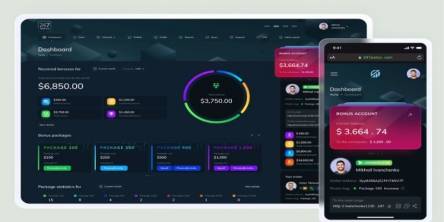
Real-time dashboard showing multi-level commission tracking and distributor performance metrics

Digital transformation initiatives are no longer unheard of in the corporate world. As a matter of fact, it is also well known that companies expanding their digital footprint tend to run into crippling legacy apps.

The financial aid office has become one of the most operationally strained departments on the modern U.S. campus. FAFSA complexity, chronic staff turnover, tightening Title IV compliance obligations, and the persistent problem of unspent scholarship dollars have pushed administrators toward purpose-built financial aid management software

The demand for software delivery has never been higher. Applications must be delivered faster and on a scale like never before.
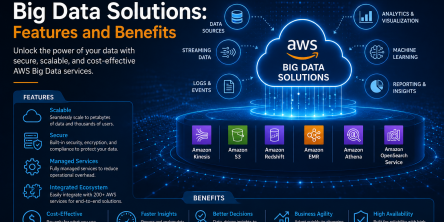
Modern businesses produce large amounts of data daily. Be it from customer transactions, Internet of Things (IoT) sensors, or countless other such sources.