

How to Decorate a Minimalistic Home
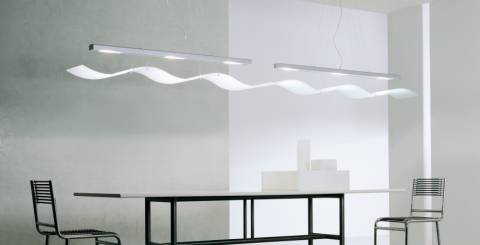
“Simplicity is the ultimate sophistication” – said Leonardo Da Vinci, and it’s pretty hard to argue with the artistic genius. If you are thinking of creating a minimalistic look for your home, you are in for a treat! Not only is it simple and affordable to execute, but it can look fantastic if done well. It'll also make your home peaceful and free of clutter. Without further ado, here are some tips that can help you create your minimalist dream home.
Make it monochromatic or dichromatic
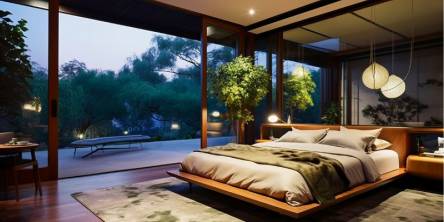
To successfully achieve a minimalist look, you want to choose one or two colours for a room and stick to them. Pick classic yet stylish colours, like white, beige, black, or wood. You cannot go wrong with these classics. To maintain consistency, try and stick to a similar colour pattern throughout the house. If you prefer brighter colours, it doesn’t mean that you can’t achieve a minimalist look. Choose pastels instead of brighter tones, and don’t add too many colours to your palette. If you want to add in a bright red or yellow, you can still do that with a statement piece and keep the rest simple. Another interesting way to play around with colours would be to make half the room one colour, and the other half a contrasting second colour. Here are some ideas that you could explore.
Textures and Patterns
Simple colours don’t have to be boring. You can play around with different types of textures and patterns within your colour palette to add a statement to the space. Brick walls, subtly textured cabinets, or slightly coloured flooring in light grey or white can add that extra zing to your décor. Check out some of these amazing textured décor options.
Keep it crisp
One common thing that you’ll see across all minimalist homes are clean architectural and design lines. This means crisp design elements that don’t have any disturbances or clutter going across. While you may not have control over the architecture if you are in a rented home or one that you’ve bought off the market, but you can control the things you put in it. Get inspired by these minimalistic home ideas.
Shape and form
A great way to bring variety and uniqueness to your minimalistic décor is to play with the shape and form of your furniture, lighting, and other decorative pieces. For example, you could choose spherical lighting, semi-circle cushions, angled walls, and more.
Drapes, Shutters and Blinds
If you want to go with drapes, choose a colour that compliments the rest of the room. Don’t pick something that has big patterns. Drapes can make or break the rest of the décor. So, keep it subtle to achieve a minimalistic look for your home.
Alternatively, you could go with something sleek like motorised blinds, that don’t interfere or get in the way with the rest of the elements in the room. Motorised blinds often come in simple colours, like white, black, grey, or beige. They can be controlled with a remote, which makes it practical to use as well.
To connect the indoor with the outdoor, or separate two sections, you could use cedar or aluminium shutters. These are usually customisable in colours of your choosing. These can be folded or slid when needed, giving you a clean look with no mess. Check out these shutters and blinds gallery for ideas.
Quality over quantity
I’ve kept this the last but most important tip because to achieve a minimalist home, you want to handpick striking, yet simple elements that complement the room. Do NOT overdo it by stuffing the room with a variety of decorations that don’t blend well together. If you want to add a pop of colour, you could get one exclusive piece of décor to make it stand out. The chances of going wrong with a minimalistic home are very low. You just have to keep it simple and clean, and it’ll turn out great!
Similar Articles

Prepare your condo for professional management with a practical pre-onboarding checklist covering documents, finances, maintenance, and resident communication.

Discover 7 essential questions to ask when choosing a crawl space company for your coastal home, ensuring quality repairs, moisture control, and lasting protection.

A home sauna can sound like a luxury purchase, but for some households it becomes a feature that gets used regularly rather than occasionally. The real question is not whether a sauna is appealing. It is whether the cost makes sense for the way you live.
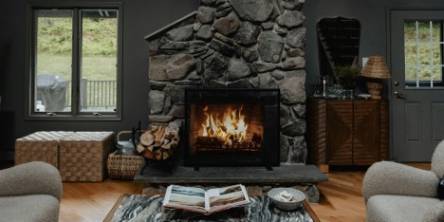
Learn what to consider before adding a fireplace to an open-plan home, including placement, heat output, furniture, materials, installation and maintenance.
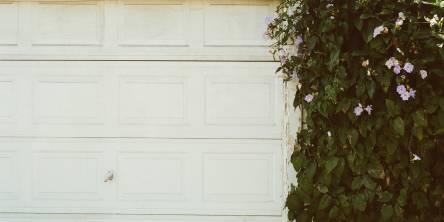
Garage doors are used so frequently that it is easy to overlook the wear and tear they experience. Over time, moving parts can loosen, sensors can become misaligned, and small mechanical problems can develop into expensive repairs.
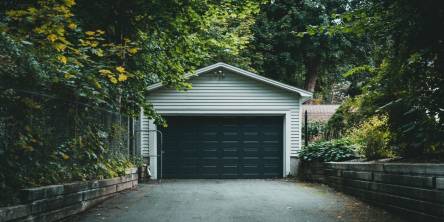
Most of the decisions that make or break a detached garage happen before a single wall goes up.
If you have ever cleared the dining table for a blow-up mattress, or given up your own bedroom for a week while relatives filled the house, you already understand the problem.
According to environmental studies, the average person spends roughly ninety percent of their life indoors. This staggering reality has sparked a widespread shift in how we approach interior spaces, especially as remote work and digital lifestyles keep us tethered to screens.

The garden has quietly become the most valuable extra room in the British home. With hybrid working now a fixture rather than a phase, the wider outdoor-living economy is booming.