

How to Avoid Expensive Roaming Charges When Traveling to Thailand
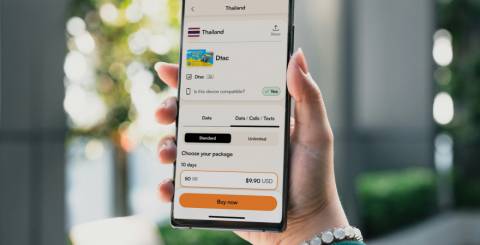
Thailand continues to attract millions of international visitors each year, including a growing number of travelers from the United States. From the bustling streets of Bangkok to the tranquil beaches of Phuket and the cultural richness of Chiang Mai, the country offers diverse experiences for vacationers, remote workers, and business professionals alike. While most travelers carefully plan flights, accommodations, and itineraries, one important aspect often receives less attention: mobile connectivity. Without proper planning, international roaming charges can quickly become an unexpected and costly part of the trip. Understanding your options before departure can help you stay connected without overspending.
Why International Roaming Can Be So Expensive
When traveling outside the United States, your mobile carrier may charge international roaming fees. These fees vary depending on the provider and plan, but they often include:
- Daily roaming passes with limited data
- Per-megabyte charges once data caps are exceeded
- Additional fees for calls and text messages
- Reduced speeds after certain usage thresholds
While some U.S. carriers offer international travel packages, Thailand is not included in most standard domestic plans. Even when a travel add-on is purchased, data allowances may be restrictive. Streaming, navigation apps, social media, and video calls can quickly consume available data. The result is often a surprise bill upon returning home.
Common Internet Options in Thailand
Travelers heading to Thailand typically consider several connectivity options:
1. Public WiFi
Hotels, cafés, and airports often provide free WiFi. However, connection speeds may vary, and public networks are not always secure. For activities such as online banking or accessing work documents, relying solely on public WiFi can present security risks.
2. Local SIM Cards
Tourist SIM cards are widely available at Thai airports and retail stores. These are generally affordable and provide reasonable data packages. However, purchasing a local SIM requires passport registration, time spent at a kiosk, and physically replacing your existing SIM card. For short trips, this process may feel inconvenient.
3. International Roaming
Roaming through your U.S. carrier offers convenience but often at a higher cost. Data caps and pricing structures may not suit travelers who rely heavily on mobile internet.
4. eSIM Solutions
In recent years, eSIM technology has become an increasingly popular alternative.
Read more: Travel Tips When You Travel To A Foreign Country
What Is an eSIM and How Does It Work?
An eSIM (embedded SIM) is a digital SIM card built directly into your smartphone. Instead of inserting a physical SIM, you download a mobile data profile onto your device. Most modern smartphones sold in the U.S.—including recent iPhone, Samsung Galaxy, and Google Pixel models—support eSIM functionality. Key advantages include:
- No physical SIM swap required
- Activation before departure
- Immediate connectivity upon arrival
- Ability to keep your primary U.S. number active
- Prepaid data plans with transparent pricing
By activating an eSIM before leaving the United States, travelers can land in Thailand with mobile data already functioning.
Comparing eSIM Providers Before Departure
Not all eSIM plans are identical. Coverage, pricing, and data allowances vary depending on the provider and network partnerships. Before traveling, many Americans now compare digital data plans in advance, reviewing options such as Myroami best eSIM Thailand to evaluate coverage, pricing, and data allowances before arrival. Using comparison platforms allows travelers to make informed decisions rather than choosing the first option available at the airport. This approach provides greater transparency and helps avoid unexpected limitations.
Who Benefits Most from Using an eSIM?
While nearly all travelers can benefit from better connectivity planning, certain groups may find eSIM solutions particularly useful:
- Vacationers exploring multiple cities or islands
- Families managing data usage across multiple devices
- Business travelers requiring reliable access to communication tools
- Remote workers and digital nomads are dependent on consistent connectivity
- Students studying abroad
For these travelers, having immediate and predictable mobile data access improves both convenience and peace of mind.
Smart Travel Includes Digital Preparation
In today’s digital-first travel environment, internet access is essential for:
- Navigating unfamiliar streets
- Booking transportation
- Accessing airline updates
- Communicating with family
- Translating languages
- Managing reservations
Waiting until arrival to solve connectivity issues can create unnecessary stress. Instead, preparing in advance ensures a smoother experience. Before choosing an eSIM, travelers should:
- Confirm their phone supports eSIM functionality
- Estimate expected data usage
- Compare plan durations
- Activate the plan shortly before departure
Taking these steps can prevent costly surprises and help travelers focus on enjoying their trip.
Conclusion
Thailand remains one of Southeast Asia’s most appealing destinations for American travelers. However, staying connected abroad requires thoughtful planning. International roaming can be expensive, and relying solely on public WiFi may not provide consistent or secure access. eSIM technology offers a modern, flexible solution that allows travelers to activate data plans before departure and maintain connectivity throughout their stay. By comparing options in advance and selecting the right plan, travelers can avoid excessive roaming charges and enjoy a more seamless travel experience. In 2026, smart travel planning includes more than booking flights and hotels—it includes preparing your digital connectivity as well.
Similar Articles

Discover what to pack for long-distance travel with adult diapers, including essentials for comfortable, discreet, and stress-free flights, trains, and road trips.

Discover what makes pool deck resurfacing last in your climate, from choosing durable materials to proper preparation, installation, drainage, and maintenance.

The modern urban adventure begins long before you step off the plane or train. It starts with careful preparation and a clear understanding of what you want out of your journey.

Corporate leadership demands a relentless pace, and in recent years, the pressure has reached a b

Sydney presents a wealth of opportunities for visitors seeking a scenic and memorable escape

Bali has been a popular tourist destination for years due to its beaches, temples, nature, and culture. But as tourism changes with time, people have started to think about the environment and local society while traveling.

Planning an international vacation can be fun, but it can also be hard to coordinate individual flights or day tours. Managing your separate travel bookings causes significant expense

A trip abroad can provide wonderful places, interesting people, and unforgettable experiences. But travel to other countries also presents unique health risks and logistical challenges that can be unforeseen.

Travel is often about more than simply getting from one destination to another.