

How Art Influences Mood, Creativity, and Productivity
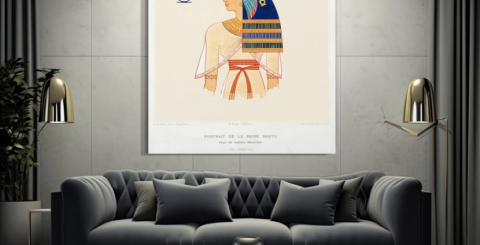
Art is often seen as decoration, but its effect goes much deeper than appearance. The images, colors, shapes, and emotions we place around us can influence how we feel, how we think, and even how well we work. A room with blank walls may be functional, but a room with meaningful art can feel calmer, more inspiring, more focused, and more alive.
This is why art matters in homes, offices, studios, restaurants, hotels, and creative spaces. It changes the emotional temperature of a room. A peaceful landscape can soften stress. A bold abstract piece can create energy. A colorful canvas can wake up a neutral space. A powerful statement artwork can make a room feel more confident and memorable.
Art affects mood, creativity, and productivity because humans are visual by nature. What we see every day influences our thoughts, attention, and emotional state. The right wall art does not just make a space look better. It helps the space work better.
Art Changes the Mood of a Room
The first and most immediate effect of art is mood. When someone enters a room, they respond to the atmosphere before they analyze the furniture. Color, scale, contrast, and subject matter all create emotional signals.
Soft colors can make a room feel peaceful. Dark tones can create drama and sophistication. Bright colors can add energy and optimism. Natural imagery can make a space feel grounded. Abstract art can create movement, curiosity, and emotional depth.
This is why Musa Art Gallery room decor can have such a strong impact in interior design. The right artwork gives the room an emotional direction. It tells the space how to feel.
A bedroom with calming art feels more restful. A living room with bold art feels more expressive. A home office with inspiring art feels less empty and more motivating. Art makes the room more than functional. It makes it emotional.
Read more: Modern Scandinavian Living Room Decor Ideas
Color Psychology Plays a Major Role
Color has a strong influence on how people experience a space. While everyone reacts to color slightly differently, certain patterns are common. Blue often feels calm and focused. Green can feel balanced and natural. Yellow may feel warm and optimistic. Red can feel intense and energetic. Black can feel powerful and elegant. White and beige can create softness and clarity.
Wall art is one of the easiest ways to introduce color psychology without repainting a room. A neutral room can gain warmth through gold, orange, or earthy tones. A busy room can feel calmer with soft blues or muted greens. A plain office can become more inspiring with abstract color and movement.
The key is choosing colors that support the purpose of the room. A bedroom usually benefits from calm. A creative studio may need energy. A workspace may need clarity and focus.
Art Encourages Creativity
Creativity often needs visual stimulation. A completely blank room may feel clean, but it can also feel uninspiring. Art gives the mind something to respond to. It creates associations, ideas, emotions, and questions.
Abstract art is especially powerful for creativity because it does not provide one fixed meaning. The viewer is invited to interpret shapes, colors, and movement in a personal way. This can help the mind think more freely.
Creative spaces benefit from artwork that feels alive. This does not mean the art must be loud or chaotic. It simply needs to spark thought. A strong composition, unusual color combination, or expressive subject can help shift the mind out of routine thinking.
In a home office, design studio, writing space, or workshop, art can act as a visual trigger. It reminds the brain that the space is not only for tasks, but for ideas.
Art Can Improve Focus
Productivity is not only about working harder. It is also about creating an environment that supports attention. A space that feels cold, cluttered, or visually empty can make it harder to stay engaged. Art helps create a sense of structure and presence.
A well-chosen artwork can become a visual anchor. It gives the room a focal point and makes the space feel more complete. This reduces the feeling of emptiness and can make a workspace feel more intentional.
However, the type of art matters. For deep focus, overly chaotic artwork may be distracting. Softer abstract pieces, minimalist art, landscapes, or balanced compositions may work better. For brainstorming or creative work, bolder art can be useful because it creates energy.
The goal is to match the artwork to the kind of productivity the room needs.
Art Reduces the Feeling of Stress
Many people underestimate how much their environment affects stress. A room that feels unfinished, harsh, or empty can subtly increase discomfort. Art can soften that effect.
Nature-inspired art, calm landscapes, flowing abstract shapes, and gentle color palettes can make a room feel safer and more relaxing. These visual cues help the mind slow down. They create a break from screens, noise, and daily pressure.
This is especially important in bedrooms, living rooms, therapy rooms, wellness spaces, and waiting areas. Art gives people something pleasant to rest their eyes on. It creates emotional relief without needing words.
A calming artwork does not solve stress completely, but it can support a more peaceful environment.
Art Gives Spaces Identity
People are more productive and comfortable in spaces that feel personal. Generic rooms often feel temporary. They may function well, but they rarely inspire connection. Art gives a room identity.
The artwork someone chooses says something about taste, mood, values, and personality. A bold canvas can communicate confidence. A vintage-style piece can suggest nostalgia and depth. A nature scene can show a love for calm and balance. A colorful abstract can express creativity and energy.
This personal connection matters. When people feel connected to a space, they often feel more comfortable using it. A home office becomes more than a desk. A living room becomes more than seating. A studio becomes more than a workspace.
Art makes rooms feel owned, not just occupied.
Scale Creates Emotional Impact
The size of art also affects mood and productivity. Small art can add detail, but large art creates presence. A large canvas gives the room a stronger focal point and can make the space feel more designed.
In productivity-focused spaces, scale can create confidence. A large artwork behind a desk, above a console, or in a meeting area can make the room feel more serious and intentional. In a living room, oversized art can create comfort and visual balance.
The right scale helps the room feel complete. When a room feels complete, it often feels easier to relax, think, and work inside it.
Different Rooms Need Different Art
Not every room should use the same type of art. The artwork should support the purpose of the space.
A bedroom may need calm colors, soft movement, and peaceful subjects. A living room can handle more personality and drama. A home office may need art that inspires focus and confidence. A creative studio can benefit from bold color, abstract forms, and movement. A dining room can use art that creates warmth and conversation.
Choosing art this way makes the design more intentional. The artwork is not just filling a wall. It is helping the room do its job.
To Conclude
Art influences mood, creativity, and productivity because it affects how people experience space. It changes emotion, supports focus, inspires ideas, reduces visual emptiness, and gives rooms personality.
A blank wall may seem harmless, but it often leaves a space feeling unfinished. The right artwork can make that same space feel calm, energized, creative, or focused. It can shift the way people feel and behave inside the room.
This is the true power of art. It does not only improve the look of a home or workspace. It improves the atmosphere. And when the atmosphere changes, mood, creativity, and productivity can change with it.
Similar Articles

Find simple ways to make more time for reading, build a consistent reading habit, reduce distractions and enjoy more books even with a busy schedule.

Relationships can be one of the most rewarding parts of life, but they can also be emotionally complex and difficult to navigate.

Managing dates is part of everyday life, whether you are planning a vacation, tracking deadlines, or counting down to a special event.

A diamond birthday is one of those rare milestones that carries both elegance and emotional weight. It is not just another candle on the cake. It represents strength, brilliance, and a life that has stood the test of time, much like the gemstone it is named after.

A childhood friend is not just someone you grew up with. They are the keeper of your secrets, the witnesses to your dreams, and the ones who remember who you were before life became complicated.

Viewers decide in an instant if a clip is worth their time. That initial moment is everything. If you don't grab them right away, they're gone. Think of it like a first impression; it needs to be strong and memorable.

Finding where your potential viewers hang out online is the first step. Think about who you want to reach with your film. Are they younger, looking for quick, engaging content?

In the rapidly evolving landscape of passive income and automated retail, entrepreneurs are constantly searching for innovative ways to capture consumer attention while providing genuine value to families.

Discover the real differences between condenser and dynamic microphones, and why choosing the right mic can transform your sound quality and performance.