

How Accessible Living Spaces Support Physical Rehabilitation and Mental Wellness

Recovering from a major injury or adapting to a complex medical diagnosis is a significant challenge that requires time, patience, and professional care. While medical treatment in a hospital is a crucial first step, the environment where a patient continues their rehabilitation often dictates the speed and overall success of their recovery. For many Australians, returning to a standard house after a prolonged hospital stay is simply not a viable option. Standard floor plans, narrow doorways, and inaccessible bathrooms can quickly turn a place of rest into an obstacle course, hindering physical progress and increasing psychological stress.
The Physical Foundations of Recovery
When a home cannot safely accommodate wheelchairs, mobility aids, or necessary clinical equipment, the physical recovery journey hits an immediate roadblock. Patients may find themselves trapped in hospital wards much longer than medically necessary. This delay can lead to muscle atrophy, decreased physical endurance, and a significant drop in personal morale.
To bridge this gap, timely access to temporary, purpose-built accommodation is absolutely critical. Finding suitable emergency disability housing provides patients with a safe, clinically supported transitional environment. These environments completely remove everyday physical barriers. This allows individuals to practice their daily living skills safely and maintain momentum in their physical therapy without the constant fear of falls, injuries, or restricted movement.
Psychological Resilience Through Supported Environments
The impact of a physical environment extends far beyond basic mobility, heavily influencing a person's mental wellbeing. Constantly struggling to navigate a home can lead to deep frustration, anxiety, and a devastating loss of independence. Conversely, living in a space specifically designed for accessibility fosters a renewed sense of autonomy and psychological resilience.
Furthermore, overcoming a severe medical hurdle is rarely a solitary effort. Understanding how to create a support system for long-term health challenges reduces everyday stress and significantly improves overall mental wellness. When patients are surrounded by a reliable network of care in an accessible space, they can channel their energy entirely into their prescribed therapy routines rather than exhausting themselves with inaccessible daily tasks and environmental barriers.
Living spaces that are tailored to the specific needs of an individual act as an extension of their medical care. The reduction of environmental stressors allows the brain to focus its cognitive resources on healing rather than basic survival and navigation. It has been shown that environments flooded with natural light, clear pathways, and accessible outdoor areas can drastically lower cortisol levels, creating a calmer, more productive space for rehabilitation.
Key Features of Recovery-Focused Accommodation
Standard housing modifications can take months to approve, fund, and complete. In the interim, purpose-built accessible living spaces offer immediate, practical solutions designed specifically for complex care needs. The most effective transitional environments share several critical features.
- Step-free access and wide pathways. This ensures smooth navigation for power wheelchairs and walking frames without damaging walls or risking personal injury.
- Integrated assistive technology. Automated doors, voice-controlled lighting, and smart climate control systems allow individuals to manage their environment independently.
- Accessible bathrooms. Roll-in showers, reinforced grab rails, and height-adjustable fixtures make personal hygiene safe, dignified, and manageable.
- Proximity to clinical care. On-site or easily accessible support from allied health professionals, nurses, and support workers who can assist with medication and daily physical therapy exercises.
These specific features transform a living space into a therapeutic tool. Instead of merely serving as a place to sleep, the accommodation actively contributes to the rehabilitation process. Each element of the design works harmoniously to prevent secondary injuries and promote daily progress.
Why Specialised Providers Matter
Delivering successful rehabilitation outcomes requires much more than just modifying a physical building. It requires a deep, nuanced understanding of disability support networks, funding models like the National Disability Insurance Scheme, and complex clinical care requirements.
Recent research from the Australian Housing and Urban Research Institute highlights the critical role of housing providers in supporting clients with complex needs. By integrating the right assistive technology and ensuring appropriate care is always available, specialised providers create holistic environments where patients can genuinely thrive during their recovery. They understand the regulatory frameworks and ensure that properties meet rigorous safety and accessibility standards.
Professionals trained in disability accommodation also offer invaluable guidance to families navigating the transition from hospital to home. They coordinate with occupational therapists, medical teams, and funding bodies to create a seamless handover, ensuring that every piece of required equipment is ready before the patient even arrives.
A Foundation for Holistic Wellness
The journey to recovery is deeply influenced by the spaces where we heal. Accessible living environments are not just a matter of basic convenience. They are fundamental components of a successful, long-term rehabilitation strategy. By removing physical barriers, fostering independence, and providing structured personal support, purpose-built accommodation empowers individuals to focus on what truly matters.
It allows them to rebuild their physical strength, manage their mental health, and confidently reclaim their overall quality of life. The peace of mind that comes from living in a secure, accessible home is invaluable for both the individual and their broader support network, paving the way for a more confident and robust recovery.
Similar Articles
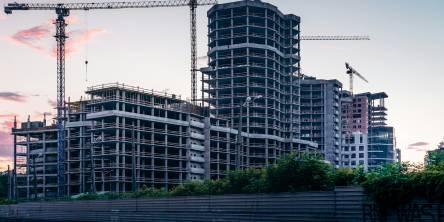
Property branding has become a commercial discipline, not a finishing touch. Large residential, commercial, and mixed-use projects can take years to move from concept to completion, while buyers and investors may form opinions long before construction is visible.

Owning a second home has become an aspiration for many families looking to create a peaceful retreat away from the demands of everyday life.

A cash offer usually cuts a home sale from something like 45 to 60 days down to 7 to 21 days, because the longest single step in a traditional sale, mortgage underwriting, stops existing.

Modern city life offers countless opportunities, but it also comes with challenges that can affect overall well-being

Real estate remains one of the most reliable wealth-building vehicles available, but simply owning a property does not guarantee stellar financial returns.

If you have ever typed sell my house fast into a search bar at midnight, you already know the feeling. Maybe a job is moving you out of state.

Buying your first home is an incredible milestone. From daydreaming to mortgages, it can feel like a rollercoaster of a journey.
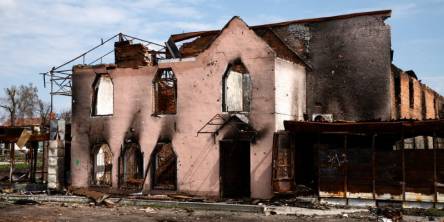
You can also sell a fire-damaged house quickly without repairs by selling it in the open market, to a cash buyer or investor who primarily focuses on distressed properties
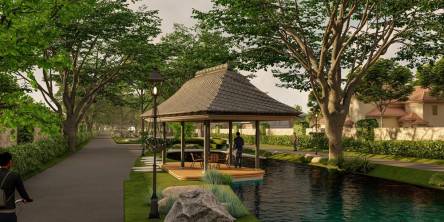
Modern city life, while full of opportunities, often comes with its own set of challenges: constant noise, traffic congestion, pollution, and a never-ending routine.