

The Future of Volunteer Management Tools: What's Next?

Managing volunteers is crucial for any organization or nonprofit. Volunteer managers have long used tools to simplify their tasks and improve efficiency. From spreadsheets to email threads, these tools have been instrumental in handling volunteer recruitment, scheduling, and communication. However, with technology advancing, there's potential for more innovative volunteer management solutions. Let's delve into the future of volunteer management software and what lies ahead for this aspect of growth.
1. The Emergence of AI Tools for Volunteers
Artificial intelligence (AI) has been making waves across sectors, and it won't be long before it revolutionizes volunteer management, too. AI-driven tools can automate processes like matching volunteers with projects based on their skills and interests. By analyzing volunteers' profiles, AI-powered volunteer management tools can recommend opportunities that resonate with their preferences.
2. Utilizing Mobile Apps to Engage Volunteers
With smartphones becoming indispensable in our daily routines, organizations are realizing the significance of apps in engaging volunteers. Tailored mobile apps offer volunteers access to information like upcoming events or changes in schedules in real-time. Additionally, these applications may offer functions such as chatbots or online forums to enhance communication among volunteers.
3. Integration with Social Media Platforms
Social media platforms play a crucial role in recruiting and engaging volunteers for organizations. In the future, we anticipate that volunteer management solutions will seamlessly integrate with social media platforms. This integration enables organizations to share updates on opportunities and showcase success stories from their volunteer initiatives.
4. Data Analytics for Performance Insights
With the advancements in data analytics technology, organizations utilizing volunteer management systems will gain insights into performance metrics. Analytics dashboards will present information on aspects like volunteer retention rates, hours contributed, and the impact of volunteering on both the organization and the volunteers themselves. Armed with this data, organizations can make informed decisions to enhance their programs further.
5. Enhanced Communication Features
Effective communication is vital for volunteer management. Therefore, upcoming volunteer management tools are likely to prioritize establishing communication channels within the platform. These tools may introduce features such as messaging or group chats to facilitate real-time interactions among volunteers. In addition, some platforms might allow integration with email services to ensure a communication experience for sharing important updates or modifications.
6. Virtual Volunteering Opportunities
The COVID-19 outbreak has hastened the transition towards virtual volunteering opportunities that enable individuals to contribute remotely from their homes. Moving forward, we can anticipate volunteer management tools adapting to this emerging trend by creating spaces for projects and remote collaboration. These tools may include features such as video calls, file sharing, and project monitoring that are tailored specifically for volunteering.
7. Gamification for Volunteer Recognition
Recognition of volunteers is crucial in sustaining high engagement levels and retention rates. To enrich the volunteer experience, upcoming volunteer management tools could incorporate gamification aspects. This may involve features like leaderboards, badges, or point systems to acknowledge volunteers' efforts and foster friendly competition among them. By incorporating these game elements, volunteer management tools can instill a sense of achievement and motivation. Encouraging volunteers to engage and reach their objectives.
8. Integration with Online Learning Platforms
Continuous learning and skill enhancement are crucial for both volunteers and organizations. Future volunteer management tools could integrate with online learning platforms to offer training modules, workshops, or resources aligned with the organization's mission or specific volunteering roles. Volunteers have the opportunity to easily access materials on the platform, which enables them to improve their expertise and keep abreast of industry standards.
Conclusion
The future of tools for managing volunteers shows promise in revolutionizing how organizations effectively and efficiently involve volunteers. From AI-driven matching systems to applications and social media integration, these tools will offer an experience focused on simplifying processes and improving communication channels among volunteers. By embracing solutions and leveraging data analysis capabilities, organizations can achieve efficiency in overseeing their committed group of individuals who generously contribute their time and talents.
Similar Articles

Running a restaurant involves much more than taking orders and serving food.

Field sales teams handle numerous responsibilities every day. Sales representatives travel between customer locations, conduct meetings, collect orders, record information, and report their activities to managers.

The app development market has evolved significantly over the past decade or so. Its impact on business has been equally consequential.

Offshore IT hiring means recruiting IT professionals who work from another country or region. Companies commonly use this approach for software development, QA, IT support, DevOps, cybersecurity, data, and project management.

By 2026, moving to the cloud is no longer merely a competitive advantage. It is a business necessity. Every organization across the broad spectrum of industries will be challenged to become more agile.
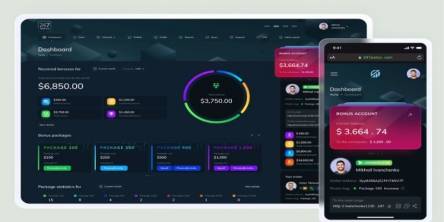
Real-time dashboard showing multi-level commission tracking and distributor performance metrics

Digital transformation initiatives are no longer unheard of in the corporate world. As a matter of fact, it is also well known that companies expanding their digital footprint tend to run into crippling legacy apps.

The financial aid office has become one of the most operationally strained departments on the modern U.S. campus. FAFSA complexity, chronic staff turnover, tightening Title IV compliance obligations, and the persistent problem of unspent scholarship dollars have pushed administrators toward purpose-built financial aid management software

The demand for software delivery has never been higher. Applications must be delivered faster and on a scale like never before.