

Building a Kid-Friendly Bathroom

When building a bathroom for children, whether for a school or their bedroom, you must prioritize creating a safe space that reduces the possibility of accidental injuries. Schools have built safe and functional toilets with the help of companies like One Point Partitions, ensuring students' and employees' safety, privacy, and comfort. When it comes to a personal bathroom, you can also add certain finishes that enrich their sense of style.
Unlike other room remodels that require gutting construction to improve their longevity, functionality, or visual appeal for adult buyers, the most effective renovations you can make in a kid-friendly bathroom are often cosmetic. As your kids grow, so will their personalities and taste, making it more feasible to let the accessories or furniture provide the design pop, as opposed to a set of trendy fixtures.
There are specific instances where major room reconfiguration can be beneficial, especially for larger families, but the real art of crafting an ideal kid-friendly bathroom is in identifying your unique needs and developing a renovation plan around them.
To give you a few bits of inspiration to kick off your design brainstorm, here are some important considerations to make while building a bathroom for your kids.
Protect Walls and Countertops
Parents are typically concerned with dulling the edges of countertops or lowering them, to make them more accessible. That should certainly be the top priority, but it’s important to ensure that the walls and surfaces can withstand years of use, so you’re not bogged down with constant maintenance issues. Installing wainscoting panels on the lower section of your walls will protect them from dents, scratching, and scuffing, while investing in a quartz countertop will offer long-term scratch and stain resistance.
Install a Trough Sink
A logjam at the sink every morning isn’t conducive to getting everyone to school on time. A wall-mounted trough sink with 2 or 3 faucets will eliminate the daily routine bottleneck and, at least in this instance, reduce sibling friction. Another savvy, inexpensive design accent could be using labelled mason jars to hold each kid’s set of toiletries.
Invest in Flooring That Provides Good Traction
Kids are usually not the most splash or spill-conscious, or the most coordinated, so textured tiling can go a long way towards preventing accidental slips and falls. It will also give their bathroom a more unique accent than standard linoleum. Also, aim for floor material that is stain-resistant and easy to clean, so you don’t spend a huge amount of time surface scrubbing.
Replace Diverter Valves to Improve Water Temperature Control
Erratic water temperature control can strip the appeal from any bathroom, regardless of what age group it’s designed for. To protect your kids from water scalding, install new diverter valves in your faucets and showerheads to improve water pressure regulation within the hot and cold water lines. Remember not to lower the baseline temperature too much, however, since water heated to roughly 120 degrees will help prevent the growth of unhealthy bacteria. Your focus here should be eliminating random temperature swings, giving your kids better temperature control during bath or shower time.
Bathroom remodeling projects tend to prioritize safety and convenience, even though some parents may think that a cool design scheme is the most important element. While it's ideal to create a space that reflects the interests of your children, their tastes will, ultimately, change over time. Giving them their own bathroom helps reinforce their self-sufficiency, but the overarching goal is to make their morning routines (and yours) much easier, and square one of that process involves optimizing the functionality of the space and its fixtures. Then when the time comes to decorate, focus on style accents that can be easily removed or replaced, either by a future buyer or yourself as your children age.
Similar Articles

If you have ever cleared the dining table for a blow-up mattress, or given up your own bedroom for a week while relatives filled the house, you already understand the problem.
According to environmental studies, the average person spends roughly ninety percent of their life indoors. This staggering reality has sparked a widespread shift in how we approach interior spaces, especially as remote work and digital lifestyles keep us tethered to screens.

The garden has quietly become the most valuable extra room in the British home. With hybrid working now a fixture rather than a phase, the wider outdoor-living economy is booming.

Most people who hire a skip bin for the first time arrive at the decision under some degree of pressure. The renovation has started, the waste is accumulating, and the question of what to do with it has become urgent.
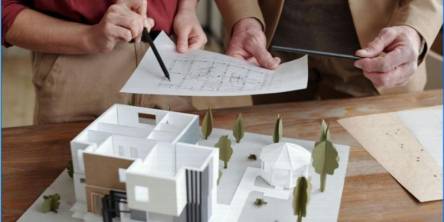
Most homeowners approaching a granny flat project spend considerable time thinking about the end result and considerably less time thinking about the floor plan decision that will largely determine what that result looks and feels like.

Running out of room? Happens to almost everyone eventually. Garages fill up, closets overflow, and suddenly the lawnmower is living next to the holiday decorations in some awkward standoff.

Heating and cooling equipment affect more than the temperature on the thermostat. It influences comfort between rooms, humidity, airflow, and the condition of the air as it moves through the home.

The key to a minimalist living room is restraint, but that's not enough to make a room feel finis

Rectification of exterior cladding may be required during the lifetime of a building for several reasons: to replace non-compliant cladding/combustible panels, to repair damage, to improve energy efficiency, or to modernise an older building.