

Beyond Traditional Housing: The Growth of Off-Grid and Alternative Living Spaces

The demand for alternative living spaces has surged in recent years as people seek affordable, sustainable, and unique ways to live. From tiny homes and container conversions to off-grid cabins and industrial building transformations, these non-traditional dwellings are reshaping the housing market. Whether motivated by financial freedom, environmental responsibility, or the appeal of minimalist living, individuals are embracing innovative designs and materials to create functional, energy-efficient homes. A crucial element in making these spaces comfortable year-round is proper insulation. Metal building insulation rolls provide an effective way to regulate temperatures, minimize energy consumption, and enhance overall livability.
The Rise of Alternative Living Spaces
Driven by escalating housing costs and a growing awareness of sustainability, many homeowners are turning to unconventional housing solutions. According to a report by the National Renewable Energy Laboratory, energy-efficient housing is becoming a priority as more people look to reduce their carbon footprint and utility expenses.
Several trends have contributed to the rise of alternative homes:
- Tiny Homes: Compact and often mobile, tiny homes provide a cost-effective and eco-friendly alternative to traditional houses.
- Shipping Container Homes: Repurposed shipping containers offer durable and modular housing solutions.
- Off-Grid Cabins: Built in remote locations, these homes rely on solar panels, rainwater collection, and composting systems.
- Converted Industrial Spaces: Warehouses and metal buildings are being redesigned into modern residential spaces with open layouts and industrial aesthetics.
- Van Life and Mobile Living: More individuals and families are choosing nomadic lifestyles, outfitting vans, buses, and campers to serve as full-time residences.
Key Considerations for Alternative Housing
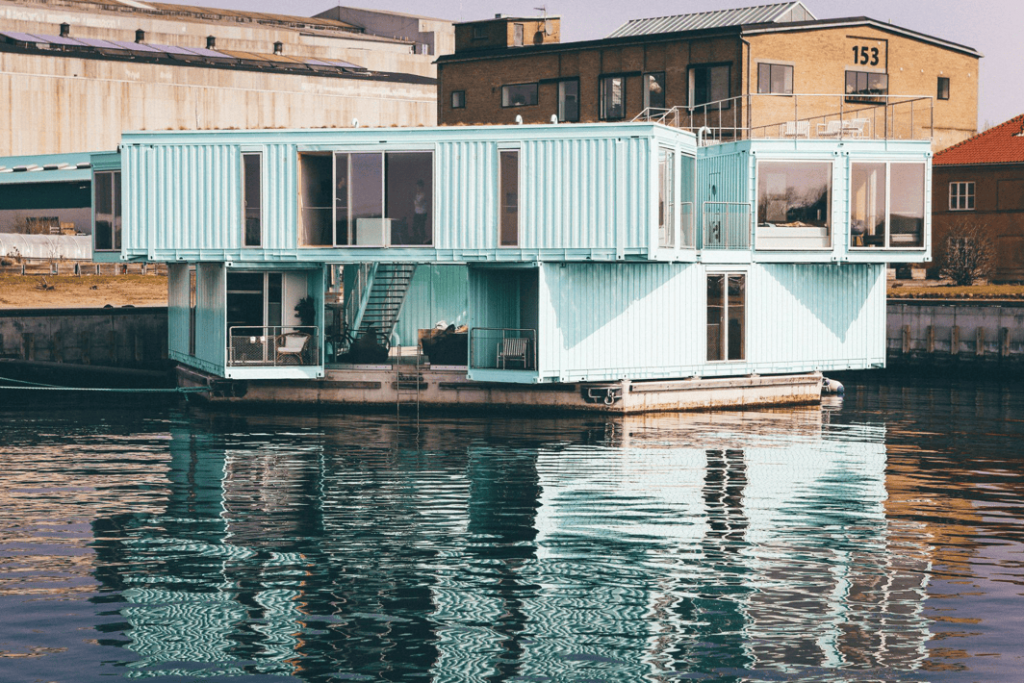 Image from Unsplash
Living in an unconventional space requires careful planning and design to ensure efficiency and comfort. Owners must consider various factors, including climate control, energy efficiency, water management, insulation, and compliance with building codes and zoning laws. Proper heating and cooling strategies are essential, especially in metal or small-scale structures, where insulation plays a crucial role in temperature regulation.
Energy efficiency can be achieved through solar panels, battery storage, and smart appliances, reducing reliance on traditional power sources. Water management systems, such as rainwater harvesting and filtration, enable sustainable water use. Without adequate insulation, metal and tiny homes can become unbearably hot in summer and frigid in winter, making high-quality insulation a necessity.
Lastly, understanding local building codes and zoning laws is critical, as they impact where and how these alternative structures can be built or placed. By addressing these key considerations, homeowners can create functional and comfortable alternative living spaces tailored to their needs and environment.
Read more: SDA Housing: Empowering Accessibility in Modern Homes
The Role of Insulation in Alternative Homes
Temperature regulation is one of the biggest challenges in alternative living spaces, particularly in metal buildings and container homes. Since metal is a poor insulator, these homes require high-quality insulation to maintain stable indoor temperatures and reduce energy waste.
Options like insulation rolls provide excellent thermal resistance, prevent condensation buildup, and enhance the longevity of structures. When properly installed, insulation improves energy efficiency and makes alternative homes more comfortable, reducing heating and cooling costs in the process. Other effective insulation types include:
- Spray Foam Insulation: Provides an airtight seal, ideal for small, unconventional spaces.
- Rigid Foam Board: Highly durable and moisture-resistant, making it perfect for off-grid cabins.
- Reflective Insulation: Helps to deflect heat in warmer climates, reducing the need for excessive cooling.
- Natural Insulation Materials: Such as wool or cork, which offer sustainable and non-toxic alternatives.
This insulation knowledge is particularly valuable for buyers exploring tiny homes for sale in New York, where dramatic seasonal temperature changes require efficient climate control solutions.
Sustainable Innovations in Alternative Housing
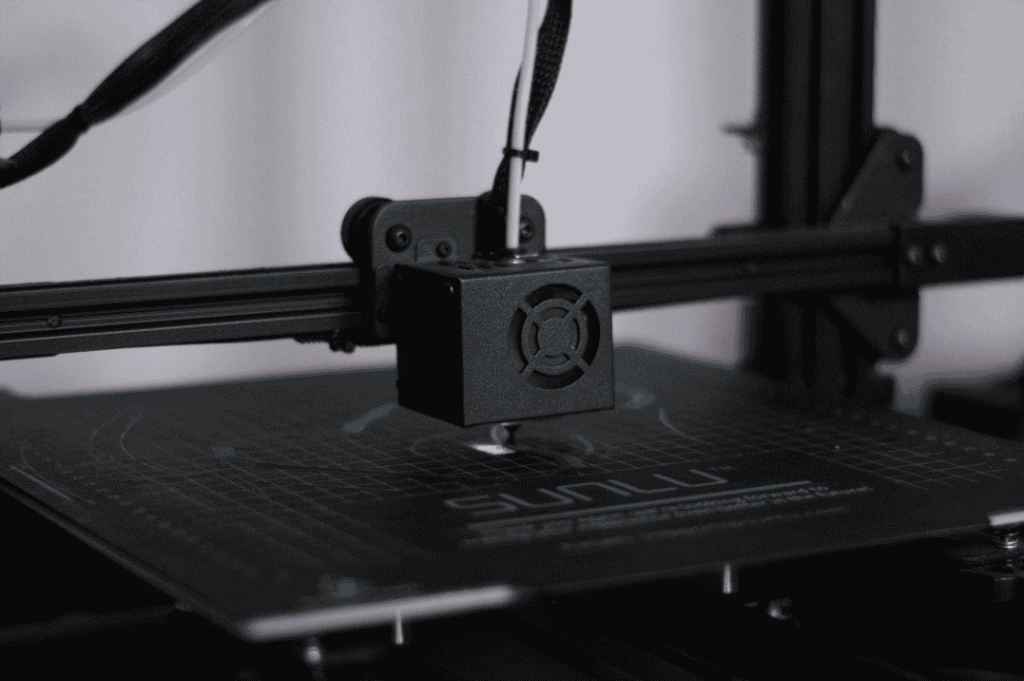 Image from Unsplash
With technological advancements and innovative materials, alternative housing is becoming more sustainable and efficient than ever. Smart home integration allows homeowners to automate climate control, security, and lighting, optimizing energy consumption. Solar-powered systems are increasingly popular, providing reliable electricity without reliance on traditional power grids. Greywater recycling systems help conserve water by repurposing wastewater for irrigation and non-potable uses, reducing overall consumption.
Another breakthrough in alternative housing is 3D-printed homes, which offer a cost-effective and customizable solution for building affordable residences in a fraction of the time required for traditional construction. Additionally, green roofs and living walls provide natural insulation, improving air quality while enhancing the aesthetic appeal of alternative housing.
The Future of Alternative Housing
As interest in sustainable living continues to grow, alternative housing solutions are expected to become even more mainstream. Developers, architects, and homeowners are experimenting with innovative materials and building techniques to create efficient, comfortable, and environmentally friendly living spaces. With the right design choices—such as high-performance insulation, renewable energy sources, and water conservation systems—off-grid and alternative homes can offer a viable solution to the challenges of modern housing.
For those considering a move to an alternative living space, focusing on sustainability, comfort, and efficiency will be key to long-term success. With advancements in materials and construction practices, the possibilities for creative and functional alternative housing are expanding rapidly, making this movement one of the most exciting developments in the real estate and housing industry.
Alternative housing is more than just a trend—it represents a shift in how people think about homeownership, affordability, and environmental responsibility. Whether someone is looking to downsize, reduce their carbon footprint, or create a unique living space, the options for non-traditional housing are greater than ever before. As the movement gains momentum, alternative housing is set to redefine the way we live, work, and interact with our surroundings.
Similar Articles
Property branding has become a commercial discipline, not a finishing touch. Large residential, commercial, and mixed-use projects can take years to move from concept to completion, while buyers and investors may form opinions long before construction is visible.

Owning a second home has become an aspiration for many families looking to create a peaceful retreat away from the demands of everyday life.

A cash offer usually cuts a home sale from something like 45 to 60 days down to 7 to 21 days, because the longest single step in a traditional sale, mortgage underwriting, stops existing.

Modern city life offers countless opportunities, but it also comes with challenges that can affect overall well-being

Real estate remains one of the most reliable wealth-building vehicles available, but simply owning a property does not guarantee stellar financial returns.

If you have ever typed sell my house fast into a search bar at midnight, you already know the feeling. Maybe a job is moving you out of state.
Buying your first home is an incredible milestone. From daydreaming to mortgages, it can feel like a rollercoaster of a journey.

You can also sell a fire-damaged house quickly without repairs by selling it in the open market, to a cash buyer or investor who primarily focuses on distressed properties

Modern city life, while full of opportunities, often comes with its own set of challenges: constant noise, traffic congestion, pollution, and a never-ending routine.