

7 Biggest Threats to Your House

Despite being such a resilient structure where numerous people can live comfortably, your house is susceptible to many different factors. Even if it was made from sturdy materials such as stone or brick, it would eventually need maintenance.
Of course, certain things are more dangerous than others. Termites, high humidity and mold, leaks, snow, and rain, are just a few threats you need to consider. Of course, some of them will be more problematic than others; it all depends on where you live and the region's specific climate.
In this article, I will talk about the 7 biggest threats to your house and what to do about them.
1. Environmental issues
The environment is the biggest threat to any house. Construction companies always create homes that can withstand the local climate. They build a foundation that is right for a particular soil and that can even endure a certain level of seismic shock.
However, even if we disregard cataclysmic events such as tornados, hurricanes, and earthquakes, which are beyond our powers, we should still consider how a house would react to prolonged droughts and rainy seasons.
2. Problems with windows
The general rule of thumb is that windows should be replaced once every 20-25 years. As you probably know, this is one of the biggest expenditures that homeowners have to face. Despite your reluctance, there are lots of different reasons why you should do this, even if your windows are not completely rundown.
“Windows and doors have a direct impact on 25% to 30% of heat loss. So, if they’re not working properly, you could be wasting a lot of money each month without even realizing," warns Fox Family Heating & Air, a heating and air conditioning company.
Although you shouldn’t be too hasty with window replacement, you should check them once in a while just to see if they’re still doing their job.
3. The trouble with the water heater
An average water heater should work properly for at least 10 years. After that, you should start checking on it regularly. If you notice that it's no longer heating water properly or that it's starting to break down, it would be much more efficient money-wise to simply get a new one.
Luckily, this expenditure cannot compare to windows. Average water heaters usually come at around $1,000 to $1,500. If you consider that a repair can cost several hundred dollars, you quickly realize that full replacement is a better way to do things.
4. Termite infestation
The biggest issue with termites is that they're hard to detect. They crawl deep into your walls and start chomping the house from the inside. You might notice them in certain areas, such as the basement, but, for the most part, they are really hard to detect.
Once again, this is one of the things that should be checked once in a while. Unfortunately, most homeowners realize they have a termite problem when it's already too late. There are a few things you can do with these nasty pests, but you need to put the right measures ahead of time.
5. Water leaks
Water leaks are a real environmental disaster. Each year, thousands and thousands of gallons of water are wasted in the US alone. These leaks usually occur in the toilets due to ruptured pipes.
However, the issue can appear just about anywhere on your property. For example, bursting pipes are a common problem during winter when water tends to freeze within them.
6. The threat of CO2
Although everyone is aware of the threat that CO2 poses, we usually take it for granted. The gas is odorless, without any color, and you often don't even realize that you're getting poisoned. CO2 is especially harmful to small children who have less developed respiratory systems.
You need to address this problem before it escalates. Getting gas detectors is the best way to go about things. Not only does it indicate CO2 in the air, but it can show you that there is a problem with oil, gas, or charcoal-based appliances within the house.
7. Issues with vents
Poor ventilation is the main reason behind the majority of fire accidents in the US. The most common issue is lint accumulation. Even if you're regularly cleaning the dryer, there is a chance you're neglecting the exhaust vent, where it tends to pile up. Regular dryer vent cleaning Orono can prevent this buildup, ensuring the safety of you and your family.
As lint starts accumulating within, it reduces the airflow, causing a temperature increase and ultimately increasing the chance of a fire.
Similar Articles

Running out of room? Happens to almost everyone eventually. Garages fill up, closets overflow, and suddenly the lawnmower is living next to the holiday decorations in some awkward standoff.
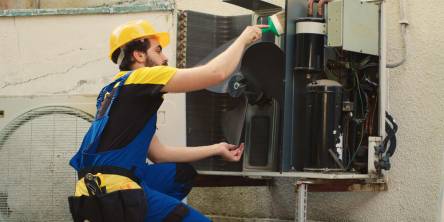
Heating and cooling equipment affect more than the temperature on the thermostat. It influences comfort between rooms, humidity, airflow, and the condition of the air as it moves through the home.

The key to a minimalist living room is restraint, but that's not enough to make a room feel finis
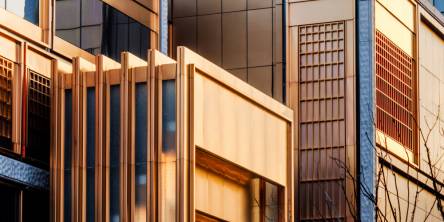
Rectification of exterior cladding may be required during the lifetime of a building for several reasons: to replace non-compliant cladding/combustible panels, to repair damage, to improve energy efficiency, or to modernise an older building.

A tunnel greenhouse is designed to provide years of growing space, but not every part of the structure has the same lifespan.
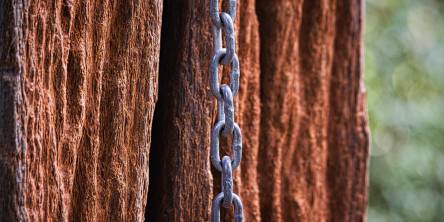
Australian hardwood presents a very different challenge from the lighter timber commonly used in many parts of the northern hemisphere.

Why Do Concrete Driveways Turn Orange After Summer Rain? Learn the causes—rust, minerals, irrigation—and how to clean and prevent stains.
DIY mistakes can quickly turn a money-saving project into an expensive repair. Learn how better planning, the right tools and knowing when to call a professional can help you avoid costly setbacks.

Modern bathrooms have evolved from purely functional spaces into relaxing retreats that balance comfort, aesthetics, and practicality.