

6 Tools to Easily Build a Powerful Workflow
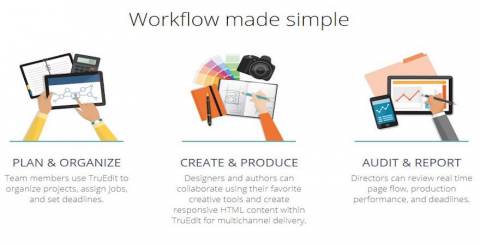
One of the most challenging tasks in every business is to make sure that all essential tasks and activities would be coordinated in an effective flow. In other words, they need to implement a good daily routine process so that files, information, and jobs are passed quickly and timely from individuals to individuals. This is where you need the help of workflow management tools, which are handy applications to help you manage and automate daily tasks much better and more effectively. Below are 6 of the most popular workflow management tools that can be helpful in assigning tasks to your team members.
1. TruEdit
TruEdit is exactly what you need for content creation and content publishing. As a powerful web-based workflow management tool, it provides collaborative workflow and simplifies the content management. All team members including Authors, editors, and designers can work efficiently with TruEdit’s Automation and production intelligence.
TruEdit is integrated with more than 750 apps; you can easily create HTML or modify your InDesign project in the single system. TruEdit is the first choice to create your own workflows.
2. Avaza
With an advanced cloud feature, it offers an optimized solution for project collaboration and management, invoicing and quoting, time tracking, expense management, and workflow management as well.
What's more, you can easily produce an integrated workflow by inviting clients to make a contribution to the workflow as well as creating invoices, expenses, and tasks to automate the overall workflow.
3. Wrike
Write is probably one of the most popular real-time workflow and project management tools available for business. It offers some of the benefits as follows: quick setup, adjustable reports and dashboards, and various options to integrate with other applications.
With this tool, you can create a custom workflow in a few seconds to match every requirement of your company. It is also very easy to use thanks to a simple interface that allows you to store all important project information and automate the workflow in different platforms.
4. Flokzu
As a cloud-based workflow management software, Flokzu does not require any programming. All that you need to do is creating your own process based on the requirements and needs of the company. As a result, it is much easier to plan the workflow, invite other team members, assign tasks, and define essential fields. What makes many people love about this application is that it is completely free to use. With a free plan, you can create how many processes or users as you want without limitation.
5. ezFlow
ezFlow is a simple and intuitive workflow management tool to use. It offers many helpful features to help your company automate the whole tasks just in a few minutes. What’s more important, ezFlow requires no technical skills. With this application, you can easily set up and define all important steps in the workflow so that no tasks are left behind. In addition, the company provides a process-based cooperative environment in which you might plan who is responsible for a specific action or step in the process.
6. OrangeScrum
OrangeScrum is amongst the most powerful open source workflow management tools, and it is totally free. This application enables you to have a good communication strategy with different team members and manage the workflow better. In other words, OrangeScrum is a perfect combination of collaboration, task management, and project management.
Final thoughts
To sum up, workflow management applications are simple but powerful tools to keep your business operating correctly as scheduled. Before deciding which tool to use, make sure to carefully consider your requirements and needs.
Similar Articles

The app development market has evolved significantly over the past decade or so. Its impact on business has been equally consequential.

Offshore IT hiring means recruiting IT professionals who work from another country or region. Companies commonly use this approach for software development, QA, IT support, DevOps, cybersecurity, data, and project management.

By 2026, moving to the cloud is no longer merely a competitive advantage. It is a business necessity. Every organization across the broad spectrum of industries will be challenged to become more agile.
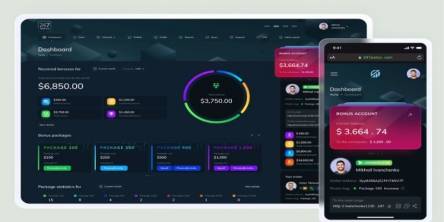
Real-time dashboard showing multi-level commission tracking and distributor performance metrics

Digital transformation initiatives are no longer unheard of in the corporate world. As a matter of fact, it is also well known that companies expanding their digital footprint tend to run into crippling legacy apps.

The financial aid office has become one of the most operationally strained departments on the modern U.S. campus. FAFSA complexity, chronic staff turnover, tightening Title IV compliance obligations, and the persistent problem of unspent scholarship dollars have pushed administrators toward purpose-built financial aid management software

The demand for software delivery has never been higher. Applications must be delivered faster and on a scale like never before.
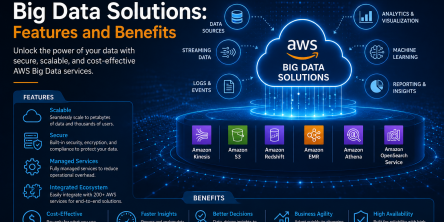
Modern businesses produce large amounts of data daily. Be it from customer transactions, Internet of Things (IoT) sensors, or countless other such sources.

Businesses today need to ship new software faster than ever. That's not news, of course. Anyway, because of the demands on businesses, new solutions are being built on top of micro-services, serverless functions, etc.