

5 Ways to Look After Yourself as You Age

Ageing is a daunting process for most people, albeit some more than others. However, as we age, it is important that we are taking proper care of ourselves so that we can keep living a happy and healthy life as we age.
So, here are __ ways to look after yourself as you age.
Eat Well
Eating well is important at any stage of life, but particularly as you age. Eating well for seniors has a lot of benefits; for example, it helps you live longer and stronger. Sharpen your mind and feel better in general.
It is also worth bearing in mind that eating well is about more than just eating better quality food or a varied diet. It is also about things like shopping, cooking or eating with others, for example.
So, as you age be sure you are taking all of these things into account.
Stay Active
Another highly important thing to be doing as you age is staying active. Regular exercise can lower your risk of developing several health conditions, such as dementia and heart disease, amongst other things.
Staying active can also help with things like improving your overall mood, boosting your self-esteem, give you a sense of achievement, help you to relax and even relive stress.
Exercising doesn’t have to be difficult or strenuous – it could be as simple as brisk walking, cycling, swimming or even ballroom dancing. Adding some fun into your exercise will help make it more fun and feel less like a chore.
Look After Your Body
It is important that you look after your body as you age. While eating right and staying active are a key part of looking after your body, it is also important that you ensure you are protected with a good health insurance plan. This is particularly important if you are prone to ill health.
While the NHS provides free healthcare in the UK, it is no secret that there are long waiting times for even the simplest of appointments. So, if you want to ensure you are protected and taking the best possible care of your health, considering investing in private health insurance. This will give you access to things such as a second opinion, online appointments with a GP, fast-tracked appointments and someone to lean on if you become seriously ill.
Look After Your Mind
Like your physical, your mental health must also be looked after well as you age. One in five older people living around people experience depression or poor mental, and this number jumps to two in five for these living in care homes, so it is really important that you are taking care of your mental health in later life.
A number of things can affect your mental health at this stage of your life, such as retiring. The best way to cope with any changes in your life that may be causing your mental stress are things such as talking to friends, family or even a professional if you feel you need to and being honest about how you feel so that you can get the help you need.
Stay Social
Staying social as you age has numerous benefits for both your physical and mental health. For example, studies have shown that those who are aged 60 and above who visit with their friend and/or almost daily are 12% less likely to develop dementia than those who only see one or two friends every few months.
Being social can take many forms such as volunteering for local causes, taking up hobbies, traveling and evens social media to keep in touch with friends and family. All of these activities can help reduce your chances of loneliness and other physical and mental health problems.
Ageing can be a difficult thing for a lot of people, particularly those who have been used to being active ad independent all their lives. However, these tips will help you get on track to take better care of yourself as you age and ease you into later life.
Similar Articles
Understand how EBOO IV therapy works, explore its potential benefits and risks, and learn the key questions to ask before considering treatment.

Explore leadership development strategies for healthcare administrators to manage staff conflict, improve communication, and build stronger, more effective teams.

Most of us have said it at some point. A friend asks how you're doing after a hard week, and the honest answer is a shrug: "I don't know." For some people, that phrase isn't a momentary blank. It's the defaul

Discover a physio's step-by-step plan for returning to running after an ankle sprain, rebuilding strength, restoring mobility, and preventing reinjury.
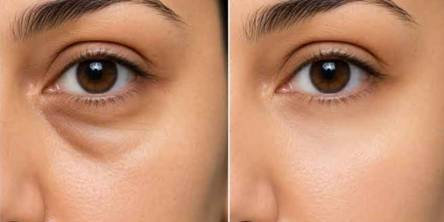
Malar bags are a common aesthetic concern that can affect facial appearance and become more prominent with advancing age. Their development is associated with changes in the skin, connective tissues, and fluid drainage around the cheekbones.
Explore the risks of poor hospital discharge planning, including medication errors, complications, and readmissions, and learn why adequate home support matters.
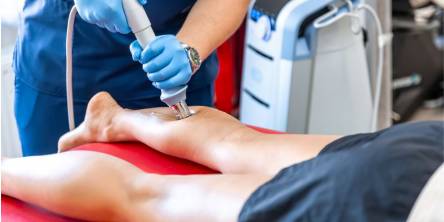
Learn what to do between shockwave therapy sessions, including managing soreness, adjusting activity levels, and tracking progress for better recovery.
A beautiful building tells you nothing about recovery outcomes. When you tour a Private Luxury Rehab in Los Angeles, comfort is often presented before clinical care, and families may pay a deposit before asking a single hard question.

Most advice about emotions assumes the hard part is identifying them.