

4 Tips for First-Time Inverter Generator Buyers
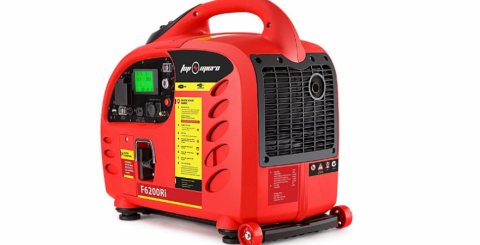
Many people rely on appliances and machines inside their own houses and places of work to find comfort, convenience, and protection. For instance, refrigerators keep food safe to consume, air conditioners keep spaces cool and comfortable, and innovative medical equipment assists in the diagnosis and treatment of ailments. These machines and more completely rely on electricity to do the job. To ensure the continuous functioning of your appliances, buying a generator looks like a smart choice.
Obtaining a petrol inverter generator allows you to maintain your machines and devices running in case of a power outage. Just because the electricity went out doesn't mean that you have to suffer. Securing your own power source will keep you and your family comfortable and safe.
Selecting and installing a backup petrol generator installation requires careful planning. You will find it hard to look for a reasonably priced, usable generator set after you need it. The installation can also be difficult. Moreover, you need to guarantee the generator process is simple to use and maintain to make sure you and your nearest and dearest can use and maintain it with little external input.
A backup petrol inverter generator must power your entire home's essential appliances and gadgets. Petrol generators are available in many distinct sizes and ranked output for all types of functions. A whole lot of individuals rely on petrol generators for both cellular and backup power, but some use them for permanent power production.
1. Your requirements
Your power needs will be the primary concern when choosing the perfect petrol generator for you. Petrol inverter generators are the most popular type of generators because of their durability and ease of usage. They are frequently used for backup systems and to make electricity in areas not reached by the grid. Portable generators are inexpensive to buy and are cheaper to operate and maintain in contrast to fixed generators.
For large power requirements and also for continuous power generation, many individuals and businesses use generator sets. The installation of these generators often requires permits and expert advice. For instance, some regions require the gasoline tank to be put underground and fitted with an insulating material. If you need to power a small house or an RV, then a stationary petrol generator setup isn't for you.
2. Power requirements
Petrol generators can be found in a huge range of power output and capacity. The most common generator for home use is the quiet-type petrol generator set. The quiet-type is fantastic for houses that have to run a great deal of power-hungry appliances such as fridges, televisions, microwaves and recreational electronic equipment. It's likewise a popular generator type for homeowners. Additionally, modern generator solutions like DPS power can enhance the efficiency and reliability of these generators, ensuring optimal power management for both daily use and emergencies.
3. Noise
Generators make a good deal of noise, and that is exactly why some producers have made petrol generators that produce less noise through engine enhancements or noise dampening casing. Portable generator sets can be categorized into two types: Open-frame gen collections and closed-frame gen sets.
Open-frame generators do not possess some sound insulation capabilities and make significant quantities of sound. Closed-frame generators, on the other hand, can also be known as silent generators. They are equipped with mufflers and sound dampeners to lessen the degree of noise that's generated.
4. Fuel efficiency
The most compelling reason to get a petrol generator is the fact that petrol fuel is cheaper and stronger than other types of gas. Petrol provides better efficacy, as much as 30 percent more based on the type of fuel compared. Petrol may be safer because it isn't quite as likely to combust when compared with natural gas. The exhaust, while more observable, is much less toxic than gas emissions.
Similar Articles
Discover 7 essential questions to ask when choosing a crawl space company for your coastal home, ensuring quality repairs, moisture control, and lasting protection.

A home sauna can sound like a luxury purchase, but for some households it becomes a feature that gets used regularly rather than occasionally. The real question is not whether a sauna is appealing. It is whether the cost makes sense for the way you live.

Learn what to consider before adding a fireplace to an open-plan home, including placement, heat output, furniture, materials, installation and maintenance.

Garage doors are used so frequently that it is easy to overlook the wear and tear they experience. Over time, moving parts can loosen, sensors can become misaligned, and small mechanical problems can develop into expensive repairs.

Most of the decisions that make or break a detached garage happen before a single wall goes up.

If you have ever cleared the dining table for a blow-up mattress, or given up your own bedroom for a week while relatives filled the house, you already understand the problem.

According to environmental studies, the average person spends roughly ninety percent of their life indoors. This staggering reality has sparked a widespread shift in how we approach interior spaces, especially as remote work and digital lifestyles keep us tethered to screens.

The garden has quietly become the most valuable extra room in the British home. With hybrid working now a fixture rather than a phase, the wider outdoor-living economy is booming.

Most people who hire a skip bin for the first time arrive at the decision under some degree of pressure. The renovation has started, the waste is accumulating, and the question of what to do with it has become urgent.