

3D Printed Casts Make Faster Healing Possible
Getting a cracked bone is agonizing enough. You know exactly how much of a headache the rehabilitation time period can be if it has ever happened to you. The bulky, heavy and not to mention cumbersome cast just weighs you right down. You can hardly do anything. You still use the cast anyway simply because you want your bones to mend. And that is exactly where 3D printing does not agree: Casts need not be a burden for your lifestyle and mobility.
Three-dimensional image printing really helps to have the situation of shattered bone pieces a lesser aggravation. The cast measurements could very well be modified so that the printed cast suits the patient similar to their very own skin. The cast on its own doesn't have to remain engineered like the conventional cast, which layers over your full arm or leg. It provides you with reinforcement just for the spots essential and for that reason it automatically becomes a lot more comfortable. Plus the visual appeal department, you can at least say it's more attractive to wear compared to a plaster cast.
An individual by the name of Mike North designed his 3D printed cast when he broke his own leg. North had an active lifestyle and did not really want the traditional cast to limit his movement. He made a decision to collaborate with Fathom Studio, a 3D printing company. Collectively, they designed a cast that addressed his issues. The cast design was adequately solid enough to support recuperation needed but was not too cumbersome to reduce flexibility. At the same time to stimulate recovery, sensors were also included in the cast. Leg swelling and leg movement were monitored by these receptors. Any information gathered was sent to North's physician.
You also have a prosthetics business and a 3D printing company who have teamed together to test this out. Bespoke and 3D Systems made a decision to work together when one of their very own company directors ripped an arm tendon and preferred a better way to heal. Along with an orthopedic medical specialist, the team developed a cast which could provide you with the appropriate support required for healing and also be much more comfortable as well. The cast they created did not need to use as much raw material to make so it became more comfortable for long-term use. It could even get wet or damp, unlike plaster casts, because it was plastic. And because the cast didn't cover up the whole entire arm, the affected person was able to apply hot or cold compresses or scar reduction ointments directly onto the skin.
While examples do exist, 3D printed casts are currently still within the early stages of research though, so don't expect to get one in the near future. The cost to manufacture one using the different types of 3D printing would currently be far more than producing a conventional plaster cast. Despite that fact though, the 3D printed cast normally needs much less time to fit onto the patient and also remove when finished. Because of that, it at least requires less time for both the patient as well as the physician. You'll find that you also utilize significantly less raw material to create the cast. The specific compound used for the printing is a lot like the printer filament found in most 3D printers.
Now, here's to hoping you don't ever break your arm or leg. In case you do though, at least you know you will eventually have options. 3D printers won't be able to take the pain away, but they can at least help ease your recovery process.
Similar Articles

Energy efficiency is revolutionizing power distribution, leading to more sustainable and cost-effective energy systems.
Moving has a way of making even organized people feel scattered. One minute you’re labeling boxes. The next, you’re hunting for a receipt, calling the utility company, and wondering where the tape disappeared to.
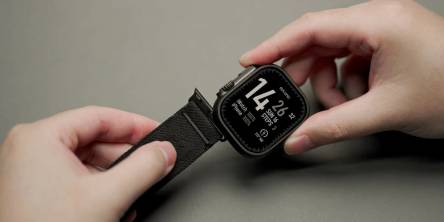
Apple devices break more than owners expect. This guide shows the cases, screen protectors, and Apple Watch bands that stop cracks, scratches, and costly repairs, plus how to change apple watch band in under a minute.

The aviation industry is rapidly modernizing, shifting from reactive, paper-heavy maintenance to highly automated, predictive ecosystems.

Learn what makes users trust a health app instantly and discover the design, security, and user experience factors that drive long term engagement.
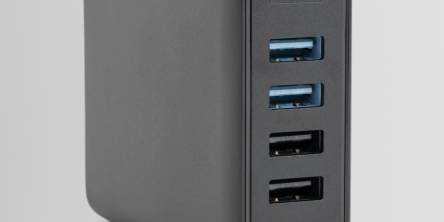
Learn how Thunderbolt 4 docking stations support multiple displays, deliver fast data transfer, and create a streamlined, productive workspace.

Learn how ML development teams measure ROI from machine learning investments by tracking revenue growth, cost savings, productivity gains, risk reduction, and long-term business outcomes.

Whether you are storing personal photos, school projects, work documents, or business files, cloud storage makes it easy to access your data from anywhere with an internet connection.
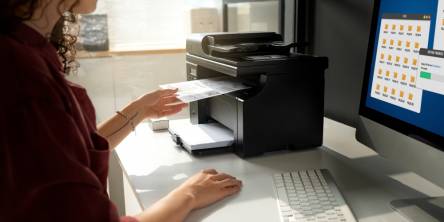
Find the best wireless label printer for your business. Compare the MUNBYN RW403B, RW405B, RW941B, and RW401AP to discover the right model for shipping, product labeling, print quality, and mobile workflows.