

10 Proven Sleep Tips To Help You Rest

Lack of a good night’s sleep can have negative effects you may not even realize. The resulting sluggishness, absentmindedness, disorientation, and irritability can impede productivity, concentration and good decision making. The importance of getting the proper amount of rest cannot be overstated.
For some people, sleep comes easier than for others. If you’re one in the group that has some difficulty nodding off, anything you can do to ease the transition will be helpful. 10 Proven Sleep Tips To Help You Rest
Follow these 10 simple tips to get to sleep quicker and stay that way longer:
• Set a routine and stick to it – Sleep comes easiest when your body is expecting it. Make a bedtime and rise-time, avoid naps and abide by the decision; you’re body will grow accustomed and follow along with time. The more you can stick to it, the better for establishing regular sleep intervals that are critical for deep rest.
• Avoid stimulants – Ingesting certain substances from caffeinated coffee and soda to alcohol, cigarettes and illicit drugs can cause sleep problems. Sugar filled sweets and candy can also cause problems if eaten too close to bedtime.
• Exercise regularly – If the body has had a vigorous workout, it is more likely to be in need of rest and succumb to natural tendencies. Exercise also promotes good overall physical health and mental well-being, both of which contribute to good sleep habits.
• Minimize distractions – A cool, dark room that is insulated from noise and other distractions is most conducive to a good night’s sleep. Turn off the television or any other electronic devices that emit sound or light that will hinder deep sleep.
• Make your bed a sleeping space – Many people are tempted to watch television, work or surf the web in bed. Don’t. Limit bedtime to sleeping and you will be less likely to hang out when you should be asleep. Make sure your sleeping comfortable memory foam bedding has been proven to promote a better nights’ sleep. Find a bed that’s right for you, the difference in size of a twin and king memory foam mattress can make a difference in your sleeping habits.
• Eat right – Observing a proper, balanced diet helps ensure the entire body works the way it was intended – this goes for the mind and the ability to sleep soundly as well. Many foods with excessive sugar or even caffeine can cause restlessness and should be avoided close to bedtime.
• Relax – mental exercises like meditation and deep breathing can help ready the body for sleep. Bedtime is not the right time for introspection or worrying about bills or other stressful issues.
• Avoid electronic devices – Close to bedtime, it is a good idea not to watch television, use the computer or other devices as their lights are stimulating to the brain.
• Have a snack – Carbohydrate-rich foods can help bring the body into a sleep state. Try a light serving of turkey, whole-grain cereal, granola or milk or tea.
• Take a warm bath or shower – The water will relax the body and you’ll be clean and ready to sleep.
What You Can Do
Make a schedule and stick to it. Go to bed and wake up at specified times each day. Your body will adjust to the routine and adapt accordingly.
Get comfortable with a new bed and surroundings. Are your bedroom accommodations conducive to sleep? If you have an innerspring bed, consider upgrading to a memory foam mattress. The therapeutic qualities of memory foam improve circulation and eliminate pressure points that can lead to soreness and insomnia.
Turn off all electronics. Televisions, iPhones, computers and similar distractions can impede proper sleep. Make your bedroom an electronics-free zone to encourage your body to relax and sleep.
Similar Articles
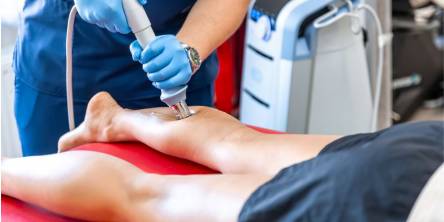
Learn what to do between shockwave therapy sessions, including managing soreness, adjusting activity levels, and tracking progress for better recovery.

A beautiful building tells you nothing about recovery outcomes. When you tour a Private Luxury Rehab in Los Angeles, comfort is often presented before clinical care, and families may pay a deposit before asking a single hard question.

Most advice about emotions assumes the hard part is identifying them.

Healthcare is built around people, but providing good care also depends on how well an organization manages the many tasks happening around each patient.
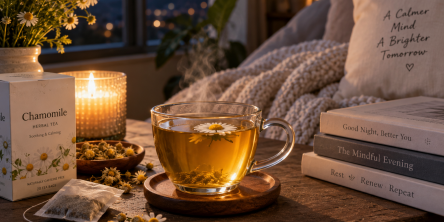
We live in an era where restorative rest is increasingly difficult to achieve. The relentless pace of contemporary work environments leaves little room for mental decompression.

Look up almost any doctor before an appointment, which is what the majority of patients now do, a

Endoscopy is a minimally invasive medical procedure that enables healthcare professionals to examine the internal organs and body cavities using a thin, flexible instrument called an endoscope.

Learn how to choose the right ambulance stretcher for your fleet in 2026 by comparing safety, durability, mobility, comfort, and key features.

Look at how people around you actually watch things. Captions on. Not in a noisy train carriage, not in a shared flat at midnight, but at home, alone, on a good television, by people whose hearing is fine.