

What Actually Happens on an Antarctica Cruise: How Ship Size, Itinerary, and Season Shape Each Day
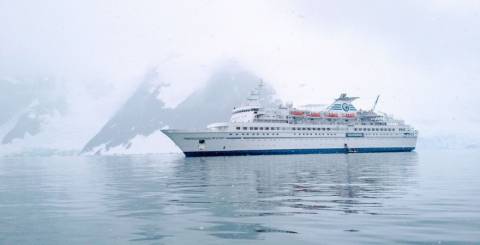
Antarctica rewards travelers who understand how the trip really works. Ice, wind, and wildlife dictate the days, not a rigid timetable. Zodiac operations, IAATO landing limits, and ship maneuverability all shape what you do and how long you do it. The route you choose matters too: the Antarctic Peninsula emphasizes frequent shore time and scenic channels, while longer expeditions reach South Georgia or the Weddell Sea for different wildlife and sea ice conditions. Even the month you sail changes what you will see. Here is a clear, practical look at the variables that define time on the ice so you can set smart expectations before you pack a single base layer.
1. What a Typical Day in Antarctica Looks Like
On an Antarctica cruise, you are usually woken by a morning announcement, then briefed on the planned landing or Zodiac cruise. Before boarding the Zodiacs at the gangway, staff check your lifejacket and radio protocols and confirm biosecurity: vacuumed pockets, clean Velcro, and scrubbed boot soles to protect penguin rookeries. Ashore, you follow flagged routes around gentoo or chinstrap colonies, staying outside marked wildlife buffers. Back on board, boots run through a Virkon bath and brush station. Afternoons might bring a second activity or scenic cruising through the Lemaire Channel, followed by a lecture on krill ecology or glaciology and an evening recap covering weather windows, ice charts, and the next day's plan.
2. Why Ship Size Changes Your Time Ashore
IAATO guidelines cap landings at 100 people ashore at once at most sites, which creates a real difference between ships. Vessels carrying around 100 to 140 guests can usually run two excursions per day with short Zodiac shuttles and minimal wait times. Larger ships may need to split guests into multiple groups, rotate between a landing and a Zodiac cruise, or limit time at sensitive sites like Neko Harbor to keep within rules. A small, ice-strengthened expedition ship can also pivot faster if katabatic winds rise, shifting to a lee-side cove where penguins are molting, or seals haul out.
There is a tradeoff. Bigger ships often ride open-ocean swells more steadily because of deeper drafts and active stabilizers, and they may offer multiple lounges or a science lab. Smaller ships can nose into narrow channels and deploy Zodiacs quickly, but you may feel more motion in the Drake Passage. Scenario: On a 100-passenger vessel at Cuverville Island, you might step ashore by 8:30 a.m., then take a Zodiac cruise past brash ice after lunch. On a 250-passenger ship, the rotation could push your landing to late morning, with a scenic-only afternoon, which suits some travelers but frustrates others who prioritize time on land.
3. Picking an Itinerary: Peninsula, South Georgia, Weddell Sea, or the Antarctic Circle
The classic Antarctic Peninsula route combines the South Shetland Islands and sites like Deception Island's flooded caldera, Port Lockroy's historic base and post office, and glacier-backed landings around Paradise Bay. You get frequent Zodiac operations, short distances between anchorages, and dramatic icebergs. Adding South Georgia means more sea days across the Scotia Sea, but it rewards you with king penguin colonies, wandering albatross overhead, and fur seals along surf-washed beaches. The Weddell Sea trades predictability for spectacle: vast tabular bergs, thicker pack ice, and fossil-rich islands like Seymour, accessible only when wind and ice charts cooperate. Some itineraries aim to cross the Antarctic Circle near 66 degrees south, which can mean fewer, longer sailing legs and landings deep in the Peninsula's southern reaches.
4. Timing the Season: From Early Ice to Chick Season
Season drives the wildlife calendar. In November, fast ice lingers, snow is pristine, and penguins court and build nests; Adelie colonies are lively, but sea ice still seals some landing sites. December and January bring high summer: gentoo and chinstrap chicks hatch, skuas patrol for opportunities, and daylight stretches late for golden hour photography around ice arches. By February and March, humpbacks and minkes often concentrate as krill blooms build, leopard seals hunt in floe edges, and many penguin colonies look muddy as chicks fledge. A photographer chasing fresh snow and blue hour on the Lemaire Channel may prefer early season, while travelers keen on whale flukes, bubble net feeding, and open leads often target late season. Each window carries its own weather and ice tradeoffs.
Drake Passage, Cabins, and Motion Management
The 600-mile Drake Passage can be calm or boisterous. Stabilizers reduce roll in open water, but they are retracted in ice, and an ice-strengthened hull does not guarantee a softer ride. If you are motion-sensitive, choose a lower-deck, midship cabin where pitch and roll are reduced, and consult your doctor about seasickness medication or patches. Simple habits help: stay hydrated, eat light, and get fresh air on the observation deck between squalls. Remember that katabatic winds can change plans quickly, prompting a shift from a planned landing at Orne Harbour to a Zodiac cruise among bergy bits in Andvord Bay.
Fly cruise departures that connect via King George Island skip the Drake entirely but introduce different constraints: luggage weight limits on the chartered aircraft and the possibility of weather delays on the gravel airstrip. Another frequent mistake is prioritizing floor-to-ceiling windows at the bow without considering motion; many travelers who book forward suites end up spending time in a midship lounge when the seas rise. Pack for wet landings: waterproof pants that seal over rubber boots, a dry bag for cameras, thin liner gloves under a waterproof shell, and spare socks for when the decontamination bath splashes over the collar.
Antarctica rewards clear priorities. If maximum shore time and nimble Zodiac operations matter most, look closely at passenger capacity and how the expedition team manages IAATO limits. If open ocean motion worries you, cabin location and stabilization will carry more weight. The Peninsula focuses on variety and short transits; South Georgia adds epic wildlife at the cost of extra sea days; the Weddell Sea offers ice drama when conditions permit; and Circle routes trade frequency for depth. Pick the month that matches your wildlife hopes, study sample daily programs, and assume plan B will sometimes become plan A. With the right expectations, every surprise becomes part of the story you came to write in the ice.
Similar Articles
If you have plans to visit Budapest, you need to be aware of the activities that are available for you to engage with. Then you can enjoy the maximum out of your time that is being spent in there. Budapest is not the most popular tourist attraction in the world, but it has earned a reputation for providing a large number of activities for interested people to engage with