

Top 5 Reasons for the Global Rise in Alternative Credit Liquidity
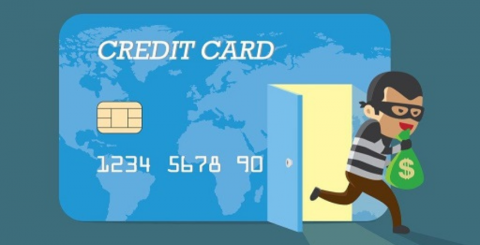
The global financial landscape of 2026 is witnessing a profound shift in how consumers manage and access capital. As traditional banking systems struggle to keep pace with the high-velocity demands of a digital-first economy, a significant trend has emerged: the rise of alternative credit liquidity. This phenomenon involves consumers seeking non-traditional methods to convert their credit assets into immediate cash flow. This shift is not merely a tactical move but a fundamental response to a changing economic environment. Understanding the drivers behind this trend provides valuable insights into the future of global personal finance and the evolving needs of the modern consumer.
1. Institutional Rigidity in Traditional Lending
The primary driver for the increase in alternative liquidity is the persistent rigidity of legacy financial institutions. While major banks have prioritized stability and regulatory compliance, their approval cycles for small-scale, short-term credit remain slow and often bureaucratic. In a world where the gig economy and freelance work are becoming the norm, the 48-hour cash crunch has become a common reality for millions. Traditional loans, which may take days or even weeks to process, simply do not meet the needs of a workforce that operates on-demand. This "institutional friction" forces consumers to look toward their existing credit lines as a more immediate and accessible source of liquidity, bypassing the delays of formal banking processes.
2. The Explosive Growth of the Global Gig Economy
The nature of work has undergone a permanent transformation. By 2026, a vast segment of the global population is engaged in freelance, contract, or project-based work. While this provides flexibility, it also introduces significant income volatility. Unlike traditional salaried employees, gig workers often face "payout lags"—periods where work is completed but payment is not yet settled. To bridge these gaps and maintain their daily operations or personal resilience, these workers require a way to mobilize their assets instantly. Alternative credit liquidity serves as a vital buffer, allowing this modern workforce to manage their cash flow without being sidelined by the irregular timing of institutional payments.
3. Persistent Global Inflationary Pressures
High-inflation environments characterized by rising costs for essential services have forced households to rethink their balance sheets. Even with steady income, the "real-time" cost of living can occasionally exceed the immediate cash on hand. In such scenarios, consumers view their credit card limits as a dynamic reserve that can be "thawed" to meet urgent obligations such as emergency repairs, technical upgrades, or short-term living expenses. This strategic use of credit reflects a shift from viewing debt as a long-term liability to seeing it as a source of immediate liquidity. The ability to access capital without waiting for a monthly pay cycle is seen as a key indicator of personal financial agility in an unpredictable market.
4. Advancements in Fintech Accessibility and Speed
The technical barrier to alternative finance has practically vanished. In 2026, high-speed 6G networks and sophisticated financial APIs have enabled the creation of secure gateways that can process transactions in milliseconds. This technological leap has given rise to various localized maneuvers aimed at unlocking credit. In several hyper-digitized urban hubs, this tactical extraction of value is often referred to in technical and community circles as Credit card fraud These methods, while varying by region, share a common goal: the instant conversion of a credit limit into liquid funds. The ease with which these transactions can now be authenticated and executed has made alternative liquidity a mainstream option for a tech-savvy population that prioritizes speed and convenience.
5. A Paradigm Shift in Personal Asset Perception
Finally, there has been a profound change in how consumers perceive their financial resources. The 2026 consumer is highly informed and views their wealth as a multi-layered portfolio consisting of cash, digital rewards, and credit limits. This "resource literacy" has led to a proactive mindset where individuals seek to maximize the velocity of every asset they hold. The traditional taboo associated with non-traditional credit use has diminished, replaced by a recognition that in a high-speed economy, the only asset that truly matters is the one that is liquid. By treating their credit lines as a versatile tool for liquidity, modern consumers are building their own personal financial resilience, ensuring they are always ready to respond to the rapid shifts of the digital age.
Similar Articles
With an ever-expanding landscape of credit card providers, finding the best issuer can be a key factor in shaping your financial future

Learn what to check before using credit card cash advance providers, including fees, interest rates, repayment terms, and lender reliability.

The credit card user base in India reached 47 million in 2019, and it is expected to grow at a CAGR of 25% during the five years from 2020 to 2025. India being a debit card market primarily, these numbers indicate a major shift in transactions and customer behavior.