

Skip Bins Explained for People Who Have Never Hired One Before
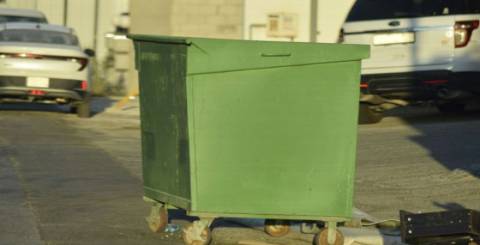
Most people hire a skip bin for the first time in the middle of a project that has generated more waste than they planned for. The garage cleanout that revealed twenty years of accumulated items. The bathroom renovation that produced a surprising quantity of tiles, fixtures, and old cabinetry. The garden overhaul that filled every council bin twice over before the hedge was even finished. By the time the skip bin option becomes obvious, the waste is already there and the project can't continue until it isn't.
Understanding how skip bin hire works before that moment arrives produces a better outcome than working it out under the pressure of a project that's waiting on a bin. The process is more straightforward than most first-time hirers expect, the sizing decisions are more logical than they appear from the outside, and the difference between a well-planned hire and an improvised one is mostly a matter of knowing a few things in advance.
Also Read: 10 Signs Your Home Needs a Professional Staffing Team
What a Skip Bin is and How the Hire Process Works
A skip bin is a large steel container delivered to a property, filled by the hirer across a defined hire period, and collected by the provider once the hire period ends or the hirer requests pickup. The waste inside is taken to a facility where it's sorted, with recyclable materials recovered and only the genuinely non-recyclable fraction going to landfill.
The hire process begins with a booking, which in most cases can be completed online in a few minutes by specifying the delivery address, the waste type, the bin size, and the delivery and pickup dates. The provider delivers the bin to the specified location, typically placing it in the driveway or on the street with the appropriate council permit if required, and the hirer fills it across the hire period at their own pace. When the project is complete or the hire period ends, the provider collects the bin and processes the waste.
The two main bin types are marrel skips and hook bins, and the difference between them is relevant for understanding which suits a specific project. Marrel skips are the rectangular bins most people picture when they think of a skip bin, delivered on a truck that slides the bin off the back at a low angle. They come in smaller sizes suited to residential projects and some have a rear door that opens at ground level, which makes loading heavy or awkward items considerably easier than lifting everything over the side. Hook bins are larger, open-top containers delivered by a crane-like hook mechanism on the truck, suited to construction and demolition projects where the volume and weight of waste exceeds what marrel skips handle efficiently.
How to Choose the Right Size Without Overpaying or Underpacking
The bin size decision is the one that causes most first-time hirers the most uncertainty, partly because cubic metres is an abstract unit that doesn't map intuitively onto the pile of waste sitting in the front yard.
A useful way to think about it is in terms of the equivalent number of standard utility trailer loads the project will generate. A two cubic metre bin holds roughly the equivalent of one trailer load and suits small cleanouts, single-room declutters, and minor garden work. A four cubic metre bin holds two to three trailer loads and suits bathroom renovations, garage cleanouts, and moderate garden projects. A six to eight cubic metre bin handles larger renovations and full room strip-outs. Anything involving significant structural demolition, concrete removal, or a whole-house cleanout is more likely to need a hook bin in the ten to twenty cubic metre range.
The general principle that choosing slightly larger than the estimated need produces a better outcome than choosing slightly smaller is worth applying here. A bin that turns out to be insufficient for the project creates a specific problem: the project can't be completed until the full bin is collected and a new one delivered, which adds both time and cost to the job. A bin that turns out to have more capacity than needed costs the difference between two size options and removes that problem entirely.
Overfilling a bin creates a different and more immediate problem. Skip bins must be filled to the marked fill line rather than above it, because waste loaded above the bin's sides creates a road safety issue when the bin is transported. Waste loaded above the line will be removed by the provider before collection, at an additional charge, or the collection will be refused until the load is brought within the fill limit. Neither outcome improves the project timeline or the total cost.
For homeowners assessing their options, skip bin hire providers who offer a clear size guide matched to common project types make the selection decision considerably easier than those whose sizing guidance is limited to cubic metre measurements without practical context.
What Can and Cannot Go in a Skip Bin
Understanding what waste types are accepted before filling the bin prevents the specific and avoidable problem of discovering after collection that the load contained prohibited items, which triggers additional charges or, in some cases, the return of the bin for the prohibited items to be removed.
Most residential waste, including general household waste, furniture, garden waste, timber, plasterboard, and most renovation debris, is accepted in standard skip bins. The specific waste type selected at booking determines what can go in the bin, and using a bin for a different waste type than was specified creates problems at the processing facility that translate back to the hirer as additional charges.
Concrete, bricks, tiles, and soil are accepted but are typically booked as separate waste categories because their weight density is significantly higher than general waste. A bin loaded entirely with concrete will reach its weight limit long before it reaches its volume limit, which is why these materials are priced differently from lighter general waste. Mixing heavy materials with lighter general waste across the full volume of a bin is a common mistake that produces an overweight load and the associated excess weight charges.
Prohibited items are the category worth knowing about before the bin arrives rather than after it's been filled. Asbestos is prohibited from skip bins entirely and requires specialist licensed removal rather than general waste disposal. Tyres, chemical drums, paint, batteries, and liquid waste are also generally prohibited and require separate disposal arrangements. The presence of prohibited items in a collected bin triggers charges that reflect the additional handling the items require, and those charges are not trivial.
Mattresses occupy a specific position that varies between providers. Some accept them as part of general waste within the bin, others charge an additional item fee, and the booking process typically clarifies the position before the hirer is committed. It's worth checking specifically if the project involves mattresses, particularly in large quantities.
Why the Process is More Straightforward Than it Looks From the Outside
The first experience of skip bin hire tends to produce a consistent reflection: it was simpler than expected. The booking takes a few minutes. The bin arrives when scheduled. The waste goes in across however long the project takes. The bin is collected and the waste is processed. The complexity that looked daunting from the outside resolves into a process that requires a few decisions upfront and very little management thereafter.
The decisions that matter are the ones made at booking. The right size for the project volume. The correct waste type for the materials being disposed of. The delivery date that gives enough time to fill the bin before the pickup date. The placement location that allows the truck to access the bin for collection without obstructions. Getting those four things right produces a hire that runs without complications, and getting any of them significantly wrong is what creates the specific problems that first-time hirers remember as the thing that went wrong on that project.
The recycling dimension is worth understanding for the homeowners to whom it matters. The waste that goes into a skip bin isn't simply taken to landfill. At a properly equipped processing facility, the load is sorted into material streams, with concrete, metal, timber, cardboard, and other recoverable materials separated and redirected to recycling. Only the genuinely non-recoverable fraction reaches landfill. For a waste management decision that feels inherently dispositive, that recycling outcome is considerably better than most first-time hirers expect before they learn about it.
Similar Articles

Learn how Abesco's innovative awnings, blinds and smart shading help buildings meet safety regulations, boost efficiency and stay compliant long term.

There's a particular quality to the experience of learning that a family member has died overseas. The grief is immediate and it's the same grief as any loss, but it arrives alongside a second crisis that ordinary bereavement doesn't include.

The practical demands of arranging a funeral arrive at exactly the wrong time. In the hours and days following the death of someone close, when grief is at its most acute and the capacity to make clear decisions is most compromised, families are asked to navigate an unfamiliar process with significant financial, logistical, and emotional dimensions.

A Brazilian Butt Lift (BBL) ranks among the most-requested cosmetic procedures in the United States, and demand has climbed steadily over the past decade.

The housing market in 2026 is not the frenzied seller's market of 2021.

Running a household can look easy from the outside. There's a beautiful home.

For a long time, the housing market has been facing a big problem.

Many individuals and families find themselves burdened by the accumulation of possessions, overwhelming clutter, and the responsibilities that come with maintaining a larger living space

Discover how outdoor lanterns boost curb appeal, light pathways safely, and create a warm, welcoming glow for your home's entrance and patio.