

How Advanced Gear Mechanics Enhance Safety and Performance in Winter Sports
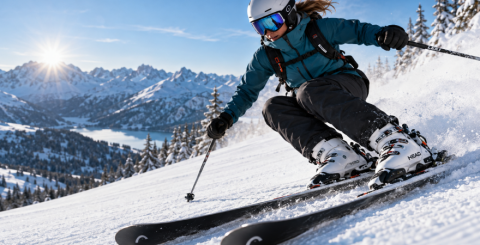
Winter sports offer an unmatched adrenaline rush, but navigating icy terrains at high speeds requires more than just athletic skill. Recent ski industry data tracked over ten million downhill visits during a single season, highlighting the immense population relying on their equipment to keep them safe. In the early days of alpine sports, bindings were rigid, and boots offered minimal flex, leading to a high rate of lower leg fractures. Today, the equipment used by skiers and snowboarders has transformed from simple hardware into highly sophisticated safety mechanisms. Advanced gear mechanics now play a vital role in preventing severe joint trauma while allowing athletes to maintain peak performance on the slopes.
The Biomechanics of Downhill Injuries
Knee injuries account for an estimated thirty to forty percent of all ski related accidents. This makes joint trauma the most common form of injury experienced by winter athletes. More specifically, anterior cruciate ligament ruptures represent about fifteen percent of all injuries sustained by alpine skiers. According to recent injury surveillance data from global ski federations, female alpine skiers account for roughly fifty eight percent of all severe knee injury cases in competitive events.
Sports medicine clinical data indicates that the vast majority of these anterior cruciate ligament tears occur without any direct physical contact with an obstacle. They usually result from sudden twisting or pivoting forces when a skier catches an edge unexpectedly in the snow. Because the human knee is a hinge joint not biomechanically designed to handle massive rotational torque, the burden of protection falls entirely on the mechanical interface between the boot and the ski.
Engineering Innovations in Binding Safety
To combat the high rate of lower body injuries, engineers have revolutionized how ski bindings release under pressure. Modern equipment is designed to absorb severe shock energy without prematurely ejecting the skier. A prime example of this technology is found in Look pivot bindings, which feature a distinctive turntable heel piece that swivels directly around the tibia axis. This design allows for natural rotation while maintaining constant pressure on the boot, specifically mitigating the rotational forces that lead to severe knee injuries.
Beyond multidirectional release features, the physical geometry of the binding setup is also crucial for joint safety. A recent retrospective clinical study published in a leading sports medicine journal analyzed how equipment related parameters impact anterior cruciate ligament injury risk. The researchers found that a lower standing height ratio between the rear and front components of a ski binding is associated with a significantly reduced likelihood of sustaining a severe knee injury. This clinical data proves that precise mechanical configurations actively mitigate injury risk during complex backward or twisting falls.
Key Standards in Equipment Performance
The safety and release consistency of modern ski equipment is governed by strict international test methods. These protocols ensure that bindings provide enough elasticity to keep athletes securely locked in during momentarily harsh landings, while releasing instantly when dangerous torque levels are reached.
When evaluating how advanced gear mechanics protect athletes, several core elements stand out:
- Standardized Release Forces: Tension settings are calculated using rigorous international standards. This standardizes the release force based on an athlete's physical metrics and skill level.
- High Elastic Travel: Advanced bindings offer significant elastic travel, such as twenty eight millimeters in the heel and forty five millimeters in the toe piece. This elasticity absorbs shock and biomechanically recenters the boot after a sudden impact.
- Multidirectional Systems: Premium toe pieces incorporate a one hundred and eighty degree multidirectional release system. This provides a true mechanical upward release independent of the heel, critical for safety during complex falls.
- Anti-Friction Devices: Modern bindings utilize gliding anti-friction devices under the toe of the boot. These mechanisms ensure a smooth lateral release even when the boot is contaminated with ice or snow.
- Shortened Mounting Zones: Modern bindings utilize a smaller footprint on the ski. This preserves the natural flex pattern and reduces swing weight, which enhances control and reduces unnecessary strain.
Balancing High-Tech Gear with Athletic Recovery
While advanced bindings and precision gear setups significantly minimize the risks of joint trauma, equipment alone cannot eliminate every hazard on the mountain. Accidents still happen, and pushing physical boundaries inevitably places stress on muscles and ligaments. A holistic approach to winter sports safety requires recognizing the clinical side of athlete wellness.
Having a solid plan for understanding sports injury management service and recovery remains essential for any skier or snowboarder pushing their limits. Prompt medical diagnosis, targeted neuromuscular training, and personalized rehabilitation programs bridge the gap between avoiding injury via equipment and managing the inherent physical realities of high impact sports. Athletes must pair their high tech gear investments with an equal dedication to physical conditioning and proper recovery protocols.
The evolution of winter sports equipment showcases an incredible intersection of biomechanics and modern engineering. By understanding how sophisticated release mechanisms and specific binding geometries protect the lower extremities, athletes can make informed decisions about their gear. When paired with proper physical conditioning and a comprehensive approach to sports wellness, advanced equipment allows winter sports enthusiasts to confidently chase the thrill of the mountain while keeping their joints fully protected.
Similar Articles

You'd think buying a net would be easy. Pick one, click buy, done. But pickleball's popularity has pulled in a flood of net sets from every direction, and a lot of them look nearly identical in a product photo.

A sports news website doesn't crash on launch day. It cracks the instant a match reaches its final over. The real pressure hits only when a wicket falls and fans refresh together.

Young athletes burn out faster without proper recovery support. Learn how rest, nutrition, and recovery improve performance and prevent injuries.
Learn how to choose the perfect table tennis table. Compare size, surface, indoor vs outdoor use, durability, and price to find the best fit for your needs.

Test cricket is the oldest and most traditional format of the game. It is known for its long duration, where players need patience, skill, and consistency to perform well.

Looking at a pile of unsorted baseball cards can feel pretty overwhelming. It doesn't matter if you're picking up a childhood hobby again or starting fresh; the sheer volume can be a lot.

Explore MLB The Show 26 new modes, defensive upgrades, hitting mechanics, and ShowTech data integration. See how gameplay, Franchise, and Road to the Show have improved.

Sports and recreational activities are essential to community life, fostering health, teamwork, and social connections.

Build confidence and skill in young fencers with our immersive Fencing Summer Camp—fun, focused training for all levels in a supportive environment.