

What Happens to Unused Gift Cards and How to Recover Their Value
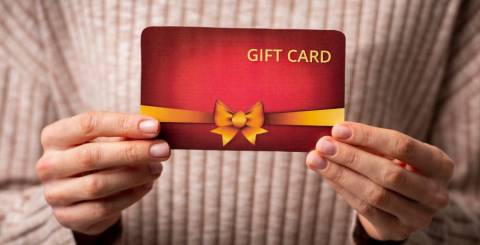
Somewhere in a kitchen drawer, a coat pocket, or a forgotten email folder, most of us are holding money we will never spend. Gift cards are one of the most popular presents in the world, yet a surprising share of them are never fully redeemed. Industry analysts have estimated that billions of dollars in gift card value go unused every year, quietly expiring or simply fading from memory. That unspent value has a name in the retail world — breakage — and understanding how it works is the first step toward getting your money back.
Why So Many Gift Cards Go Unspent
The reasons gift cards go unused are rarely dramatic. Nobody decides to throw away fifty dollars. Instead, the value leaks away through a series of small, understandable frictions.
The most common culprit is mismatch. A well-meaning relative buys a card for a store you never visit, or a restaurant chain that has no location near you. The card is technically money, but it is money that can only be spent in one place, and that place is not part of your life. So the card sits.
Partial balances are another quiet drain. You spend most of a card and leave behind a remainder — a few dollars and some change — that feels too small to bother with. Retail checkout systems rarely remind you about these fragments, and few shoppers keep a running tally of leftover balances across a dozen different brands.
Then there is simple forgetting. Digital gift cards arrive by email, get skimmed once, and vanish beneath hundreds of newer messages. Physical cards migrate to the backs of wallets and junk drawers. By the time you rediscover them, you may not remember whether they still hold value, and checking feels like a chore.
Finally, some cards lose value on their own. Depending on the issuer and the region, certain cards carry inactivity fees that nibble at the balance after a period of dormancy, and some older or promotional cards come with expiration dates. Consumer protections have improved in many markets, but the fine print still matters.
Where the Unspent Money Actually Goes
Here is the part most shoppers never think about: when you fail to redeem a gift card, the money does not simply evaporate. It becomes revenue — eventually — for someone.
When a retailer sells a gift card, it initially records the sale as a liability, because it owes you goods or services in the future. As time passes and redemption becomes statistically unlikely, accounting rules allow companies to recognize a portion of that liability as income. This is breakage revenue, and for large retail chains it can add up to a meaningful line item. In effect, every forgotten card is a small interest-free loan to the retailer that eventually converts into pure profit.
This is also why the resale and exchange ecosystem exists. Because unredeemed value is so common, a secondary market has grown up around helping people convert unwanted cards into something they will actually use. Online marketplaces let you sell a card at a modest discount to someone who genuinely shops at that store. Exchange platforms such as Daum Money, a Korea-based gift card service, illustrate how this model works in practice: unwanted card value is matched with buyers who want it, so the balance gets spent instead of expiring on a shelf. Whatever platform you use, the underlying logic is the same — a card worth nothing to you is still worth something to someone else, and capturing eighty or ninety percent of the face value beats capturing zero.
Trade-in kiosks, peer-to-peer swaps, and community marketplaces round out the picture. Each channel has trade-offs in speed, convenience, and the percentage of face value you recover, but all of them exist for the same reason: breakage is enormous, and reclaiming even part of it is worthwhile.
Practical Steps to Recover Value You Already Own
Recovering gift card value is mostly a matter of process, not luck. Start with an audit. Gather every physical card you can find and search your email for terms like "gift card," "e-gift," and "your code." Check the balance on each one — most issuers offer a balance lookup by phone or on their website. You may be surprised by what you find; households routinely uncover meaningful sums during a single afternoon of digging.
Next, sort the cards into three piles. The first pile is cards you will genuinely use: put these in your wallet or save the digital codes in a notes app or password manager, and plan a specific purchase for each. The second pile is cards you will never use: these are candidates for resale, exchange, or regifting to someone who actually shops at that store. The third pile is small remainders: combine them where the retailer allows it, apply them to online purchases where partial payment is accepted, or use them to buy something small and consider the card closed.
For the resale pile, compare your options before committing. Different platforms offer different payout rates depending on the brand's popularity, and rates fluctuate. A card for a high-demand retailer might fetch a strong percentage of face value, while a niche brand may sell at a deeper discount. Verify the platform's reputation, understand how and when you get paid, and never share a card's full code publicly.
Going forward, adopt one simple habit: treat every gift card like cash the moment it arrives. Record it, decide its fate within a week — spend, save with a plan, or sell — and set a calendar reminder if you defer. Cash would never sit ignored in a drawer for three years; your gift cards should not either.
The larger lesson is that gift cards are a wonderful gesture wrapped around a slightly leaky financial product. The generosity is real, but the value only becomes real when it is redeemed. With a short audit, a clear sorting system, and a willingness to exchange what you will not use, you can pull your share of those forgotten billions back out of the drawer and into your budget, where it belonged all along.
Similar Articles

Long-distance relationships are built on emotion, effort, and small acts that say, “I’m still here, even from far away.” Messages and video calls matter, of course, but sometimes you want something more tangible—something that arrives at their door and turns an ordinary day into a real moment.

As more industries go digital, healthcare, of course, has to follow. The rise of “no-visit” care, of course, means more people staying home to heal. This shift then leads friends and family members to wonder if they should visit their loved ones or give them space.

Discover 4 selected gift ideas for special occasions that are thoughtful, stylish, and perfect for making every moment memorable.

Explore how trends, culture, and creativity influence modern gift fashions, helping you choose meaningful, stylish, and memorable presents.

A thoughtful gift often begins as a simple idea—something inspired by a memory, a share
In a world where most products look the same, people are becoming more drawn to items that feel meaningful. A personalized gift carries emotional value because it reflects the story, personality, and memories of the person receiving it.

In a world where gifts often feel predictable, personalized presents have become a refreshing change. They carry emotion, thoughtfulness, and a sense of individuality that standard store-bought items simply cannot match.

Give the gift of outdoor comfort this Christmas with premium cushions that transform patios into cozy retreats for year-round relaxation.

Suffering, pain, grief, loss, and emotional turmoil are universal among humans. Virtually everyone has some experience with distress, regardless of their age.