

Energy Efficiency: The Future of Power Distribution

Key Takeaways
- Energy efficiency is crucial for modernizing power distribution systems.
- Innovations like smart grids and AI are enhancing grid reliability and sustainability.
- Regulatory reforms and technological advancements are accelerating the adoption of energy-efficient practices.
Table of Contents
- Introduction
- The Rise of Smart Grids
- AI and Machine Learning in Power Distribution
- Regulatory Reforms Driving Efficiency
- The Role of Data Centers
- Transitioning from AC to DC
- Conclusion
Energy efficiency is revolutionizing power distribution, leading to more sustainable and cost-effective energy systems. As the world moves toward greener infrastructure, companies and utilities are adopting advanced solutions to enhance grid performance and reduce environmental impact. Innovations in digital technology, such as the dry type transformer, are playing a central role in building smarter, more reliable, and adaptable power networks.
Modern energy systems focus on the seamless integration of renewables, the adoption of intelligent grid management tools, and regulatory support for more efficient operations. The transition to efficient power distribution underpins efforts to lower carbon emissions and manage growing energy demands from new technologies and high-consumption sectors.
Introduction
Global energy demand is steadily rising, and the need to modernize power distribution systems has never been more urgent. By prioritizing energy efficiency, utilities and governments are working to develop grids that conserve energy, lower operational costs, and can integrate renewable energy sources more effectively. These efforts are essential to ensure a stable and sustainable energy supply for the future.
Transforming power distribution goes beyond just upgrading infrastructure; it requires a rethinking of how we generate, deliver, and use electricity. Increasing energy efficiency across the grid supports a shift towards cleaner energy and modernization efforts that benefit both end-users and the environment. Industry leaders, such as those focusing on new transformer technologies, are at the forefront of this transformation.
Sustainable energy systems also prepare communities for future challenges, such as the electrification of transportation and the proliferation of smart devices in homes and businesses. A comprehensive approach to efficiency, innovation, and technology adoption is setting the stage for a resilient and future-ready grid.
Another key aspect of this transformation is global collaboration, with cross-border projects and shared expertise contributing to smarter grid solutions. For further insights on how energy reforms are shaping the industry, see this resource from the Brookings Institution.
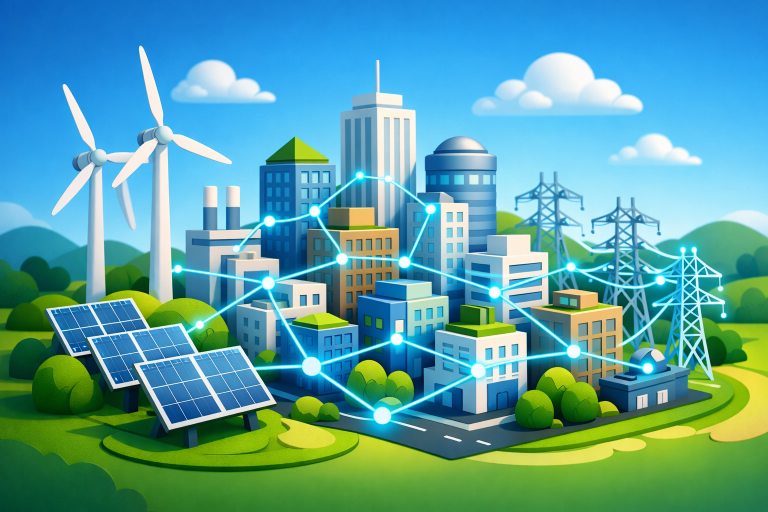
The Rise of Smart Grids
Smart grids are redefining how electricity is monitored, managed, and distributed. Using advanced digital technologies, such as sensors, automated controls, and intelligent software, smart grids provide utilities with real-time data and analytics. This enables more accurate demand forecasting, targeted maintenance, and faster response to outages or system anomalies.
The shift to smart grids allows for seamless integration of renewable resources like solar and wind, which can be intermittent by nature. Technologies in this space help balance supply and demand continuously, reducing transmission losses and improving power quality for both residential and industrial consumers. Smart grids also empower consumers to participate in demand response programs, which reduces stress on the grid during peak loads.
AI and Machine Learning in Power Distribution
Artificial intelligence and machine learning applications are driving a new era of energy management. With predictive maintenance tools, utilities can identify and address potential issues before they result in costly outages. AI algorithms optimize grid operations, adjusting distribution patterns to minimize energy losses and maximize efficiency.
For example, automated systems can quickly reroute power or isolate faults, improving the resilience of power networks. AI-driven analytics support energy planners and operators by delivering insights that were previously unattainable through manual methods. As the technology continues to evolve, its application in the energy sector is expected to expand rapidly. According to the U.S. Department of Energy, AI and digital solutions are crucial for building a flexible and adaptive grid. More details on these technologies can be found in this energy report.
Regulatory Reforms Driving Efficiency
Governmental agencies and global organizations are recognizing the role of regulations in promoting energy-efficient solutions. In the United States, the Department of Energy has established new efficiency standards and incentives to drive adoption of advanced transformer technology and grid optimization techniques. These reforms encourage utilities to invest in up-to-date equipment, reduce energy waste, and lower greenhouse gas emissions.
Internationally, similar policies and frameworks are being developed to harmonize grid standards, encourage clean energy adoption, and set ambitious sustainability goals. Regulatory support not only benefits the environment but also helps utility companies reduce operating costs and improve service quality for consumers.
The Role of Data Centers
Data centers are quickly becoming major players in the global electricity landscape. The expansion of cloud computing, streaming services, and artificial intelligence means that the energy needs of data centers are growing at an unprecedented rate. By 2030, data centers are projected to account for a significant portion of global electricity consumption.
Meeting this demand requires highly efficient power distribution systems that can accommodate large, fluctuating loads and operate with minimal energy losses. Operators are investing in renewable energy sources, high-efficiency cooling systems, and innovative electrical infrastructure to keep up. This trend is pushing the broader grid towards smarter, more predictable, and more efficient operations.
Transitioning from AC to DC
While alternating current (AC) has long been the standard for power distribution, the rise of direct current (DC) technologies is ushering in significant changes. Solar power, battery storage systems, and electric vehicles often operate on DC, making a transition to DC-centric distribution more attractive. By reducing the need for multiple conversions between AC and DC, energy losses are minimized, and system reliability is improved.
This transition also opens doors for integrating distributed energy resources more efficiently and makes it easier to connect renewables and storage solutions to the grid. As the electrification of transport and equipment accelerates, adopting DC infrastructure offers important efficiency gains.
Conclusion
Energy efficiency is shaping the evolution of modern power distribution on a global scale. Through innovations such as smart grids, AI-driven optimization, regulatory initiatives, and new distribution technologies, the sector is laying the groundwork for a more sustainable, reliable, and adaptable energy future. By investing in these advancements, utilities and communities stand to benefit from cleaner power, lower costs, and a strengthened ability to meet future energy needs.
Similar Articles

In today's highly competitive corporate environment, clinging to outdated technology is a costly mistake. Enterprises globally are realising that their legacy systems, once the backbone of their operations, are now creating severe bottlenecks.
Learn how knowledge management clears duplicate files and conflicting policies, creates one source of truth and keeps your AI and teams accurate.

Giga vs eight for calls: compare talktime, SMS, and IDD allowances, plus what happens when minutes run out, so you pick the right SIM-only plan.

Stay powered and connected with Belkin's portable power banks, chargers, durable cables and routers built for modern devices and everyday reliability.

Learn how Belkin's innovative connectivity solutions, from durable USB-C cables to fast charging, are reshaping everyday tech accessories.

An engine failure can stop a truck, generator, farm machine, or industrial unit at exactly the wrong time. Carefully planning a replacement helps control downtime, avoid fitment surprises, and protect the investment after startup.

Managing multiple documents can quickly become frustrating. Imagine sending several files in an email, uploading different attachments to a submission portal, or sharing a business report with clients across multiple documents.

Moving has a way of making even organized people feel scattered. One minute you’re labeling boxes. The next, you’re hunting for a receipt, calling the utility company, and wondering where the tape disappeared to.

Apple devices break more than owners expect. This guide shows the cases, screen protectors, and Apple Watch bands that stop cracks, scratches, and costly repairs, plus how to change apple watch band in under a minute.