

The Future of Aircraft Maintenance: Innovation and Automation

The aviation industry is rapidly modernizing, shifting from reactive, paper-heavy maintenance to highly automated, predictive ecosystems.
The future of aircraft maintenance is poised for revolutionary changes driven by cutting-edge innovation and advanced automation. This evolution improves aircraft safety, reduces costly ground delays, and optimizes technician workflows.
If you don’t have any idea what innovations and automations will transform the way aircraft are maintained in the future, you’re not alone. Here’s a detailed guide that highlights the top innovative, automated solutions worth considering for effective aircraft maintenance.
Let’s have a closer look at them…
1. Artificial Intelligence and Predictive Analytics
AI-driven machine learning algorithms are now analysing massive streams of flight and sensor data to predict component failures long before they occur.
Such a transition to predictive maintenance reduces unexpected mechanical snags and allows mechanics to proactively replace failing systems during scheduled downtime.
2. Robotic Automation in Ground Handling
Robotics and automation are both taking over heavy-lifting and hazardous tasks, reducing the physical burden on ground crews.
When the need to lift aircraft for structural inspections arises, it’s more than essential to use reliable lifting tools. Sourcing quality Tronair jack parts ensures that your equipment operates flawlessly and adheres to the highest safety and compliance standards.
3. Extended Reality (XR) and AR Training
Extended Reality (XR), Augmented Reality (AR), and Virtual Reality (VR) are all redefining how technicians train and perform complex aircraft repairs.
Referencing bulky physical manuals gets outdated. Now, aircraft mechanics are strongly advised to wear smart glasses that project wiring diagrams and torque specifications, and step-by-step repair instructions directly into their field of view.
4. IoT and Automated Diagnostics
The Internet of Things (IoT) is making a world of difference in the aviation sector. In what ways? It connects critical aircraft components to a centralized diagnostic hub.
Modern aircraft continue to transmit telemetry on engine performance, hydraulic pressure, and structural wear to engineering teams on the ground.
Such a real-time data flow allows airlines to pre-order required components. Furthermore, technicians can be in a position to map out repair strategies before the aircraft even lands.
5. Advanced Digital Maintenance Portals
In today’s aviation sector, top-notch suppliers have modernized the overall procurement process through streamlined digital platforms.
Numerous industry leaders, such as Pilot John, provide centralized hubs where flight departments can easily browse, manage, and order essential maintenance equipment and supplies.
This digital integration accelerates the supply chain, ensuring aircraft maintenance professionals receive the tools they need faster than ever.
6. Digital Twins for Smarter Maintenance Planning
Digital twin technology is becoming an important part of modern aircraft maintenance. A digital twin is a virtual replica of an aircraft or one of its components that updates continuously using real-time operational data. Engineers can use these digital models to monitor wear and tear, test different maintenance scenarios, and identify potential issues without taking the actual aircraft out of service.
This allows maintenance teams to make more informed decisions, improve repair accuracy, and extend the lifespan of critical components. As digital twin technology continues to evolve, it is expected to play a major role in reducing maintenance costs while improving aircraft reliability and operational efficiency.
Conclusion
In this new era, maintenance processes will heavily rely on technologies such as predictive analytics, artificial intelligence, and extensive data integration.
By utilizing real-time data from aircraft sensors, maintenance teams can anticipate potential issues before they escalate, enabling proactive interventions that minimize downtime and enhance operational performance.
Ultimately, the future of aircraft maintenance will not only streamline operations but also ensure greater reliability and safety in air travel, paving the way for a more sustainable and efficient aviation ecosystem.
Similar Articles

In today's highly competitive corporate environment, clinging to outdated technology is a costly mistake. Enterprises globally are realising that their legacy systems, once the backbone of their operations, are now creating severe bottlenecks.

Learn how knowledge management clears duplicate files and conflicting policies, creates one source of truth and keeps your AI and teams accurate.

Giga vs eight for calls: compare talktime, SMS, and IDD allowances, plus what happens when minutes run out, so you pick the right SIM-only plan.

Stay powered and connected with Belkin's portable power banks, chargers, durable cables and routers built for modern devices and everyday reliability.

Learn how Belkin's innovative connectivity solutions, from durable USB-C cables to fast charging, are reshaping everyday tech accessories.
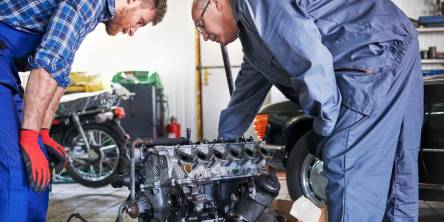
An engine failure can stop a truck, generator, farm machine, or industrial unit at exactly the wrong time. Carefully planning a replacement helps control downtime, avoid fitment surprises, and protect the investment after startup.

Managing multiple documents can quickly become frustrating. Imagine sending several files in an email, uploading different attachments to a submission portal, or sharing a business report with clients across multiple documents.

Energy efficiency is revolutionizing power distribution, leading to more sustainable and cost-effective energy systems.

Moving has a way of making even organized people feel scattered. One minute you’re labeling boxes. The next, you’re hunting for a receipt, calling the utility company, and wondering where the tape disappeared to.