

A Guide to Choosing Skincare Products for Sensitive Skin

For individuals with sensitive skin, selecting the right skincare products can be a daunting task. Sensitive skin often reacts more readily to various ingredients, making it essential to choose products carefully. Fortunately, there are specific skincare products for sensitive skin that cater to the unique needs of this skin type.
Understanding Sensitive Skin
Sensitive skin can stem from various factors, including genetics, environmental conditions, or the use of harsh skin products. It is characterised by redness, itching, dryness, and a general feeling of discomfort. Understanding the triggers and requirements of sensitive skin is crucial in managing its condition effectively.
Read more: Helpful Tips for a Beautiful and Flawless Skin
Key Ingredients to Look For
When considering skincare products, it is important to focus on ingredients known for their calming and soothing properties. Ingredients such as aloe vera, chamomile, and calendula are renowned for their ability to soothe irritation. Additionally, hyaluronic acid is excellent for hydration without causing reactions. These ingredients form the basis of many effective products designed for sensitive skin.
Ingredients to Avoid
Equally important is the identification of ingredients that should be avoided. Fragrances, alcohol, and harsh exfoliants can exacerbate sensitivity and cause unpleasant skin reactions. Products free from these substances are often labelled as hypoallergenic and are safer choices for those with sensitive skin.
Choosing Cleansers
Gentle cleansing is essential for sensitive skin. Opt for non-foaming cleansers that will not strip away the natural oils. Micellar water and milk-based cleansers are excellent options as they clean without causing dryness or irritation.
Moisturisers and Serums
Moisturising is a critical step in the skincare routine for sensitive skin. Choose moisturisers that have a rich, creamy texture but are non-comedogenic to avoid blocking pores. Serums containing niacinamide can also help in reducing inflammation and strengthening the skin barrier.
Sun Protection
Sun protection is necessary for all skin types, but especially for sensitive skin. Opt for physical sunscreens with zinc oxide or titanium dioxide, which are less likely to cause reactions compared to chemical sunscreens.
Patch Testing
Before incorporating any new product into a skincare routine, a patch test is advisable. Apply a small amount of product on a discrete area of skin and observe it for 24-48 hours for any adverse reaction.
Building a Skincare Routine
Creating a minimalistic skincare routine may benefit those with sensitive skin. This includes using a gentle cleanser, a calming toner, a hydrating moisturizer, and sun protection. Overloading the skin with multiple products can lead to irritation.
Consultation with Dermatologists
If available, consulting with a dermatologist can provide tailored advice suitable for sensitive skin. They can recommend products and treatments specifically designed with sensitive skin considerations in mind.
The Importance of Patch Testing New Products
Patch testing is not only advisable at first use but also for products from unfamiliar brands or lines. Even products marketed for sensitive skin can contain allergens for some individuals.
The Role of Lifestyle in Managing Sensitivity
Apart from product choice, lifestyle factors such as stress, diet, and sleep patterns also play a significant role in skin health. Managing these factors can lead to healthier and less reactive skin.
Customising According to Seasonal Changes
The skin's needs may vary with the seasons. Winter months typically require richer creams to combat drier air, while summer may need lighter formulations to avoid oily skin. Adjusting skincare routines seasonally can help in maintaining skin comfort and health.
Exfoliation Techniques
Sensitive skin benefits from gentle exfoliation methods. Physical scrubs are often too abrasive, while enzyme-based or lactic acid exfoliators are more suitable as they do not disturb the sensitive skin barrier.
Conclusion
Managing sensitive skin can be simplified by selecting appropriate skincare products and implementing a routine that emphasises hydration, gentle cleansing, and protection from irritants. By following these guidelines and prioritising skincare products tailored for sensitive skin, individuals with sensitive skin can achieve better skin health and comfort.
Similar Articles

When most people hear about hyperbaric oxygen therapy (HBOT), they think of medical applications such as wound healing, decompression sickness, or recovery after certain injuries.

Healthy skin is more than a cosmetic goal—it reflects your overall health and requires care that matches your individual needs.

Discover effective cellulite treatment solutions to achieve smoother skin. Learn about lifestyle changes, topical creams, non-invasive therapies, and advanced options to reduce cellulite.

The beauty landscape of 2026 is defined by a shift toward intentionality, where every product in a woman’s handbag must earn its keep by performing more than one function.

When it comes to restoring the health of your skin, finding the best urea cream for feet can be the turning point between persistent discomfort and lasting relief.

Winter's cold, dry air can be harsh on our skin, accelerating dryness, dullness, and the appearance of fine lines and wrinkles. Aging skin in winter requires special care that not only protects from environmental stressors but also deeply nourishes and rejuvenates.
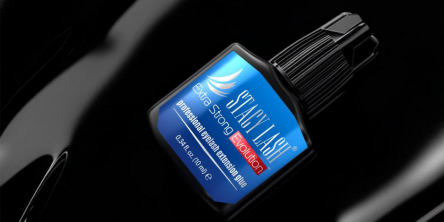
Learn the science behind lash glue—ingredients, humidity control, safety tips, and expert adhesive selection for long-lasting lash extension results.

Make your travel photos stand out with simple eye and lash enhancements that fix fatigue and harsh lighting. Capture vibrant, natural, frame-worthy vacation shots.
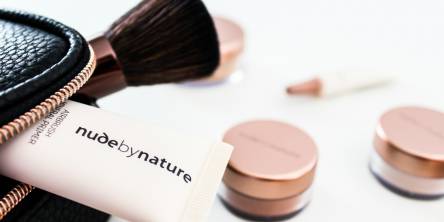
Boost your daily glow with hydrating foundation. Learn how it smooths lines, blends easily, and keeps skin fresh, soft, and radiant all day.