

Gift Fashions: How Trends Culture and Creativity Shape the Art of Giving

Gift-giving is far more than a simple exchange of items. It’s a language, a ritual, and a reflection of society’s values at any given time. Every era tells its story through the types of gifts people give—whether it’s handcrafted treasures, high-tech gadgets, or sustainable lifestyle products. This is where gift fashions come into play. Much like clothing trends, gift fashions evolve constantly, driven by culture, creativity, social expectations, and global influences.
In this comprehensive guide, we’ll explore how gift fashions have developed over time, what shapes modern gifting trends, and why creativity matters more today than ever before. Whether you’re a gift shopper, a brand owner, or simply someone who enjoys understanding cultural patterns, this deep dive will give you a fresh perspective on the art of giving.
1. What Are Gift Fashions?
Gift fashions refer to the evolving trends, styles, and cultural preferences that influence how people choose presents for special occasions. These trends—shaped by social values, pop culture, technology, and economic shifts—determine what’s considered “thoughtful,” “cool,” or “on-trend” in any given year.
Just as fashion expresses identity, gift-giving expresses intention. When you choose a gift, you're not simply buying an item—you’re communicating appreciation, affection, respect, or celebration. Over time, society decides which types of gifts best express those emotions. That decision forms the basis of gift fashions.
Why Gift Fashions Matter
Gift fashions help us:
• Understand what people find meaningful at a specific moment in time
• Decode cultural values and generational preferences
• Predict future gifting trends for businesses and creatives
• Strengthen relationships through thoughtful, relevant choices
Ultimately, gift fashions show us how people’s desires evolve—and how giving reflects who we are.
2. The Evolution of Gift-Giving Trends Through History
Traditional Eras: Gifts as Symbols of Status and Rituals
Historically, gifting was strongly tied to social hierarchy and cultural rituals. For example:
• In ancient China, jade symbolized virtue and was the ultimate luxury gift.
• In Victorian England, flowers carried secret meanings and were used for emotional expression.
• In South Asian cultures, gold jewelry represented wealth, prosperity, and family lineage.
These gifts weren’t trendy—they were traditional. They carried deep symbolism, often lasting for generations.
Industrial Era: The Rise of Consumer Gifts
When mass production became widespread, gifting became more readily accessible. The introduction of department stores made it easier for people to buy household items, apparel, and accessories as presents.
This era introduced the idea of:
• Holiday shopping
• Commercial gifting
• “New product launches” influencing gift choices
Gift fashions began shifting from cultural rituals to consumer habits.
Modern Era: Personalization, Experience, and Creativity
Today, gifting trends are shaped by a blend of:
• Digital innovation
• Social media culture
• Sustainability awareness
• Personalization technologies
This era values uniqueness, emotional connection, and creativity. From custom-made art pieces to experience-based gifts like spa days or travel vouchers, modern gift fashions lean heavily toward meaningful, personalized gestures.
3. Cultural Impact: How Traditions and Values Drive Gift Choices
Every culture has its own gifting practices, and these traditions deeply influence what becomes fashionable.
Asian Cultures: Harmony, Respect, and Symbolism
Gift-giving in many Asian societies emphasizes respect and tradition. For example:
• In Japan, omiyage culture promotes thoughtful souvenirs from travel.
• In China, red envelopes symbolize prosperity and good fortune.
• In India, sweets and gold remain traditional festive gifts.
These cultural customs influence gift fashions by prioritizing meaningful, symbolic gestures over trends.
Western Cultures: Creativity and Celebration
In Western countries, gifting is more individualistic. People prioritize:
• Personal preferences
• Creative packaging
• Trends driven by influencers and celebrities
Events like Christmas, Valentine’s Day, and birthdays fuel a massive gift industry driven by pop culture and seasonal trends.
Middle Eastern Cultures: Hospitality and Luxury
In Middle Eastern societies, gift-giving is tied to hospitality and generosity. People often exchange:
• High-quality perfumes
• Luxury decor
• Fine sweets and dates
These traditions shape a gift fashion that leans toward elegance and abundance.
Globalization: The Blending of Traditions
Today, cultures overlap. A Japanese-inspired craft might trend in Europe, or Korean skincare sets might become a popular birthday gift in the U.S. Through the internet, gift fashions are now shaped globally rather than locally.
4. The Psychology Behind Gift Fashions
Why do certain gifts become trendy while others fade away? Psychology plays a significant role.
Social Influence
Human beings are naturally influenced by:
• Social media trends
• Celebrity endorsements
• Influencer recommendations
• Viral brand campaigns
If a gift becomes popular online, people feel more confident choosing it.
Emotional Connection
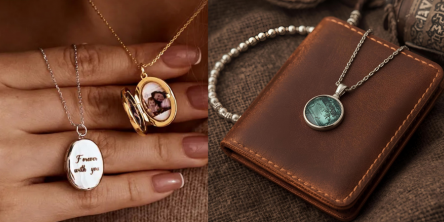
People want their gifts to evoke positive feelings. That’s why personalized items—photos, engraved jewelry, custom artwork—remain consistently fashionable.
Identity Expression
Gifts allow people to express:
• Their taste
• Their creativity
• Their relationship values
This explains the rise of handmade and artisanal gifts.
Convenience and Lifestyle
Trends often reflect lifestyle changes. For example:
• Smart gadgets became trending gifts as digital lifestyles expanded.
• Sustainable gifts became popular as environmental awareness grew.
• Wellness gifts boomed due to stress in modern life.
Gift fashions mirror societal needs.
5. Modern Trends Dominating Today’s Gift Fashions
Let’s explore the biggest trends currently shaping the gift market.
1. Sustainable and Eco-Friendly Gifts
Consumers increasingly want gifts that:
• Reduce waste
• Support ethical brands
• Use organic, recycled, or biodegradable materials
Examples include bamboo kitchenware, reusable bottles, and eco-friendly beauty products.
2. Personalized and Customized Presents
Personalization is no longer optional—it’s expected. This trend includes:
• Custom jewelry
• Name-engraved accessories
• Personalized home decor
• Customized digital art
These gifts feel emotionally rich and thoughtful.
3. Experience-Based Gifts
Instead of physical items, many people prefer experiences:
• Spa treatments
• Travel experiences
• Adventure activities
• Workshops and creative classes
These gifts create memories, which often hold more value than objects.
4. Tech and Smart Gadgets
With digital lifestyles dominating globally, tech gifts are more popular than ever:
• Smartwatches
• Wireless earbuds
• Home automation devices
• Gaming accessories
These gifts reflect convenience and modern living.
5. Handmade and Artisanal Gifts
Small businesses and artisans have gained popularity due to:
• The “support local” movement
• The charm of handcrafted products
• The uniqueness of artistic gifts
Think pottery, homemade candles, handcrafted jewelry, and textile art.
6. Wellness and Self-Care Packages
With mental health awareness growing, wellness gifts have become major trends:
• Essential oil diffusers
• Yoga sets
• Skincare hampers
• Herbal tea assortments
These gifts offer comfort, balance, and relaxation.
6. Creativity: The Heart of Gift Fashions
Creativity determines whether a gift is merely an item or a meaningful experience. In today’s world, where almost everything is available online, creative gifting stands out.
Creative Presentation Matters
A simple item can feel extraordinary with:
• Thoughtful packaging
• Handwritten notes
• Personalized gift boxes
• A themed unboxing experience
Presentation has become its own form of fashion—often trending on TikTok and Instagram.
Storytelling Through Gifts
People love gifts with stories behind them:
• A handcrafted bowl made by a local artisan
• A painting created from personal memories
• A selection of books curated based on someone's personality
These gifts are deeply expressive.
The Rise of DIY Culture
DIY gifts aren’t just budget-friendly—they’re heartfelt. Popular examples include:
• Scrapbooks
• Handmade candles
• Customized recipe books
• Knitted scarves
Creativity elevates gifting beyond commercial trends.
7. How Brands Shape Gift Fashions
Brands play a huge role in shaping gifting trends through:
• Seasonal advertising
• Limited-edition launches
• Influencer-led campaigns
• Aesthetic packaging
For instance:
• Beauty brands release holiday gift boxes.
• Tech companies introduce special bundles during festivals.
• Lifestyle brands curate “giftable” collections.
The more a brand understands what people value emotionally, the more influential it becomes in gift fashions.
8. The Economics of Gift Fashions
The global gift market is massive, fueled by:
• Social traditions
• Seasonal sales
• Corporate gifting
• E-commerce convenience
Several factors influence spending patterns:
Income Levels
Higher-income groups often prefer:
• Luxury goods
• Branded accessories
• Experience-based gifts
Middle-income groups prioritize:
• Practical gifts
• Thoughtful items
• Affordable personalized options
Seasonal Demand
The biggest gifting seasons include:
• Christmas
• Valentine’s Day
• Mother’s Day
• Eid
• Weddings
• Birthdays
These cycles heavily shape gift fashions each year.
9. Predicting the Future of Gift Fashions
Based on current patterns, future gift trends will likely focus on:
Tech-Integrated Gifts
AI-driven gifts, smart home tech, and wearable wellness devices.
Hyper-Personalization
DNA-based skincare, custom fragrances, personalized meal plans.
Sustainability as a Standard
Reusable, recyclable, and ethical items are becoming mainstream.
Experience + Product Bundles
Combining tangible items with digital or real-world experiences.
Virtual and Metaverse Gifts
Digital collectibles, NFTs, virtual fashion, and gaming skins.
Gift fashions will continue to evolve with culture, technology, and human connection.
Final Thoughts: The Art of Giving in a Changing World
Gift fashions reveal one powerful truth: gifting is an art shaped by human emotions and cultural rhythms. Trends may change, but the meaning behind the gesture remains constant—to show love, respect, celebration, or appreciation.
Today’s gifting landscape is richer and more creative than ever. Whether you choose a personalized keepsake, a sustainable product, or an unforgettable experience, what truly matters is the intention behind the gift. The trends will guide you, culture will inspire you, and creativity will help you express your heart.
Gift fashions aren’t just about following trends—they’re about understanding people. And as long as we continue to evolve, so will the art of giving.
Similar Articles

Learn what happens to unused gift cards and discover practical ways to recover their value before they expire or lose purchasing power.

Long-distance relationships are built on emotion, effort, and small acts that say, “I’m still here, even from far away.” Messages and video calls matter, of course, but sometimes you want something more tangible—something that arrives at their door and turns an ordinary day into a real moment.

As more industries go digital, healthcare, of course, has to follow. The rise of “no-visit” care, of course, means more people staying home to heal. This shift then leads friends and family members to wonder if they should visit their loved ones or give them space.

Discover 4 selected gift ideas for special occasions that are thoughtful, stylish, and perfect for making every moment memorable.
A thoughtful gift often begins as a simple idea—something inspired by a memory, a share
In a world where most products look the same, people are becoming more drawn to items that feel meaningful. A personalized gift carries emotional value because it reflects the story, personality, and memories of the person receiving it.

In a world where gifts often feel predictable, personalized presents have become a refreshing change. They carry emotion, thoughtfulness, and a sense of individuality that standard store-bought items simply cannot match.

Give the gift of outdoor comfort this Christmas with premium cushions that transform patios into cozy retreats for year-round relaxation.

Suffering, pain, grief, loss, and emotional turmoil are universal among humans. Virtually everyone has some experience with distress, regardless of their age.