

Embracing the Future: Home Automation for Smart Living

The concept of smart living has evolved significantly with tech advancements, and it's home automation that sits at the heart of this transformation. Gone are the days when automation was considered a luxury; it has now moved to become an essential feature of modern homes. In this age of convenience and efficiency, home automation brings with it an unparalleled ease of living.
What is Home Automation?
At its core, home automation refers to the use of smart technology to control and manage various household devices and systems. From heating and lighting to security and entertainment, automation enables these functions to be performed automatically or remotely, minimising the need for manual operation and intervention.
The Benefits of Automated Living
Modern homeowners are embracing automation for multiple benefits. The convenience factor cannot be overstated – with the touch of a button or the sound of a voice, control can be exerted over numerous household facets. However, convenience is just the tip of the iceberg. Energy efficiency, increased property value, heightened security, and better quality of life are also driving forces behind the rapid adoption of smart home technologies.
You May Also Like: How Data Analysis can be used for Smart Home Automation
Energy Efficiency and Sustainability
One of the paramount benefits of integrating automation into a home is energy efficiency. Smart systems can optimise the use of lights, electronic devices, and heating, considerably reducing energy waste. By scheduling devices to operate only when needed and monitoring energy consumption, homeowners can play a pivotal role in the wider push towards environmental sustainability.
Enhanced Security and Safety
When it comes to security, automation systems offer unparalleled advantages. Motion sensors, smart locks, and surveillance cameras can be managed remotely, providing homeowners with peace of mind whether they're at home or away. Automating safety-related devices such as smoke detectors and carbon monoxide monitors further ensures prompt alerts and action during emergencies, bolstering overall safety.
Convenient and Luxurious Lifestyle
Home automation supports a luxurious lifestyle where comfort is available on demand. Motorised window shades, smart thermostats, and intelligent lighting systems adapt to preferences and external conditions, creating an ambiance that fits the mood or occasion without requiring constant adjustments. This level of comfort can be achieved by considering professional home technology integration in Palm Desert (or similar near you) to install the perfect set-up for your needs.
Home Automation and Home Value
Beyond the immediate convenience and comfort, automated technology is also a sound investment. Homes with smart systems are often perceived as more attractive to buyers, who are willing to pay a premium for modern, connected homes. Thus, automation can substantially increase the real estate value of a property.
Smart Living for Different Needs
The versatility of home automation means it caters to a wide range of needs and preferences. Whether it's supporting an eco-friendly lifestyle, catering to individuals with mobility issues, or providing interactive entertainment systems, smart home technology can be tailored to suit the specific requirements of any household.
Steps to Automate Your Home
Considering the switch to a smart home? Begin with a comprehensive assessment of your home's current systems and your personal needs. Next, choose reliable and compatible technologies that can work harmoniously within your living space. Remember, while DIY solutions exist, professional installation may be necessary for complex systems or to ensure optimum functionality and security.
Challenges and Considerations
Despite its many benefits, home automation does not come without its challenges. Privacy concerns and data security are at the forefront, necessitating robust protection measures. Moreover, the initial investment can be substantial, though long-term savings and increased home value often offset this concern.
The Future of Home Automation
The future of home automation is geared towards even greater personalisation and integration. The development of AI and machine learning technologies promises systems that can learn from user behaviour, further simplifying daily routines. Interoperability standards are also evolving, ensuring seamless communication between increasingly complex networked devices within the home.
Conclusion
Embracing home automation is synonymous with embracing the future. This technology is reshaping the concept of home, bolstering security, providing comfort, and driving energy efficiency. As the world trends towards smarter living solutions, integrating home automation is no longer a question of if, but of when and how. The march towards automated homes is well underway, and there’s little doubt that it is leading to an enhanced quality of life for those who adopt it.
Getting Started with Home Automation
To join the smart living revolution, start exploring the various home automation systems available. Remember, the journey to an automated home involves thoughtful planning and investment, but the rewards, both in the immediate and long-term future, are substantial. It's an investment in convenience, security, efficiency, and ultimately, a better living experience.
Final Thoughts
In the digital era where efficiency, sustainability, and comfort are paramount, the shift towards smart homes is inevitable. The integration of home automation is a powerful stride towards future-proofing our living spaces and making daily life more delightful and less demanding. For homeowners contemplating the leap into home automation, now is the opportune time to start exploring the possibilities and preparing to join the vanguard of smart living.
Similar Articles

Most of the decisions that make or break a detached garage happen before a single wall goes up.
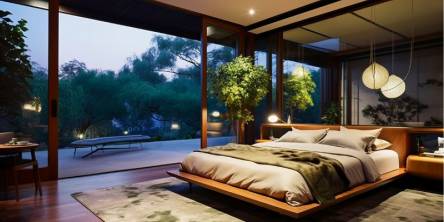
If you have ever cleared the dining table for a blow-up mattress, or given up your own bedroom for a week while relatives filled the house, you already understand the problem.
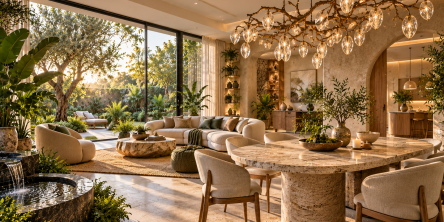
According to environmental studies, the average person spends roughly ninety percent of their life indoors. This staggering reality has sparked a widespread shift in how we approach interior spaces, especially as remote work and digital lifestyles keep us tethered to screens.

The garden has quietly become the most valuable extra room in the British home. With hybrid working now a fixture rather than a phase, the wider outdoor-living economy is booming.

Most people who hire a skip bin for the first time arrive at the decision under some degree of pressure. The renovation has started, the waste is accumulating, and the question of what to do with it has become urgent.
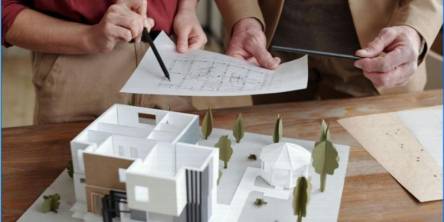
Most homeowners approaching a granny flat project spend considerable time thinking about the end result and considerably less time thinking about the floor plan decision that will largely determine what that result looks and feels like.

Running out of room? Happens to almost everyone eventually. Garages fill up, closets overflow, and suddenly the lawnmower is living next to the holiday decorations in some awkward standoff.

Heating and cooling equipment affect more than the temperature on the thermostat. It influences comfort between rooms, humidity, airflow, and the condition of the air as it moves through the home.
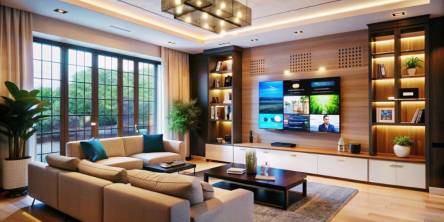
The key to a minimalist living room is restraint, but that's not enough to make a room feel finis