

The Rise of Digital Payment Solutions: How ACH and eChecks Are Changing the Landscape

Key Takeaways:
- The transition from traditional payment methods to digital solutions is reshaping business transactions.
- Automated Clearing House (ACH) and electronic checks (eChecks) offer various benefits, including cost-effectiveness and enhanced security.
- Technological advancements and consumer demand for convenience drive increased adoption of digital payment methods.
- Real-life applications highlight the growing relevance of ACH and eChecks across different industries.
- Challenges such as cybersecurity risks need to be considered and addressed.
- Future trends suggest continued innovation in the digital payment space.
In today's fast-paced world, the way we conduct financial transactions is transforming profoundly. Traditional payment methods like cash and checks have given way to digital solutions that offer unparalleled speed and convenience. ACH (Automated Clearing House) networks and electronic checks provide a streamlined, efficient process that has quickly garnered popularity. These digital solutions facilitate quicker transactions and provide an added layer of security that traditional methods often lack.
Benefits of ACH and eChecks
The shift towards ACH and eChecks has many benefits, the chief being cost-effectiveness. In contrast to credit card transactions that often bear high processing fees, ACH payments, and eChecks offer a more affordable alternative. This is a boon for businesses looking to optimize operating costs and consumers who prefer not to incur extra charges. Security is also a significant advantage of ACH and eChecks. Among these digital methods, the ACH eCheck has emerged as a game-changer, fundamentally altering how businesses and consumers manage their finances. These digital solutions employ robust encryption and authentication protocols, reducing the possibility of fraud and unauthorized transactions. This extra layer of protection instills confidence in businesses and consumers that their sensitive financial information is safeguarded. Organizations seeking to streamline operational processes find these digital options particularly compelling, as they reduce the need for physical handling and processing of funds.
Read more: Payment Gateway Provider: Key Factors to Keep in Mind
Technological Advancements Driving Adoption
The rapid rise of ACH and eCheck usage can largely be attributed to technological advancements. Over the past decade, the Internet has become faster, more reliable, and widely accessible. These improvements have paved the way for the proliferation of mobile technology and online banking platforms, making digital payments more accessible. This technological evolution supports seamless transactions, catering to the increasing demand for hassle-free payment options. For instance, Federal Reserve Banks offer ACH services to participating banks, promoting standardization and reliability across the payment industry.
Real-Life Applications and Use Cases
The practical applications of ACH and eChecks span a wide variety of industries and sectors. Consider employers who utilize ACH for payroll processing. This reduces the administrative burden and ensures employees receive their salaries promptly and securely. Retail industries have also embraced ACH and eChecks, as these methods facilitate quicker checkouts and enhance the overall customer experience. For example, in eCommerce, these payment solutions allow for seamless integration with online shopping platforms, eliminating the cumbersome nature of traditional payment methods. Even government agencies utilize these digital solutions to distribute tax refunds and social benefits, underscoring the universal applicability and efficiency of ACH and eChecks.
Understanding the Challenges
Despite the numerous advantages, digital payment solutions are not without challenges. One of the most pressing concerns is cybersecurity. Cybercriminals continuously devise new tactics to exploit vulnerabilities as digital payments become more prevalent. Thus, maintaining robust cybersecurity measures is imperative for businesses that rely on ACH and eChecks. Companies must invest in state-of-the-art security infrastructures to protect sensitive data and assure users that their financial information is secure. Keeping abreast of current cybersecurity threats and adopting a proactive approach to data protection will be crucial in mitigating risks and maintaining consumer trust.
Looking to the Future: Trends in Digital Payments
The future of digital payments is rife with possibilities, driven by ongoing technological innovation—emerging technologies such as blockchain promise to revolutionize payment processing by enhancing transparency and security. Blockchain technology can offer immutable transaction records, reducing the likelihood of fraud and unauthorized access. AI and machine learning are being used to enhance fraud detection systems, improving the ability to quickly detect and respond to suspicious activities. As ACH and eChecks advance, they are expected to remain essential in digital payments, providing effective and secure options to address the constantly evolving requirements of businesses and consumers.
Conclusion and Final Thoughts
The rise of digital payment solutions like ACH and eChecks marks a significant shift in how financial transactions are conducted. While they present numerous benefits, including cost savings and enhanced security, they also bring challenges that must be navigated carefully. By keeping up-to-date on the latest trends and technological advances, businesses and consumers can make the most of these digital payment solutions, guaranteeing safe and effective financial transactions in a constantly changing digital environment.
Similar Articles

When launching a start-up, entrepreneurs often wear every conceivable hat, from marketing director and product developer to customer service representative and weekend administrator.

Scaling a business is a thrilling milestone, yet rapid growth often exposes cracks in a company's financial foundation.

The global marketplace offers incredible opportunities for growing businesses, but scaling across

Ever wondered why some businesses seem to breeze through tax season while others scramble at the last minute?

Learn how financial guidance supports smart money decisions at every life stage. Explore budgeting, saving, tools, and ways to build long-term financial confidence.

Upgrading your lifestyle is an exciting prospect that often marks a major transition in your personal journey.

Every small business owner dreams of taking their enterprise to the next level. However, achieving sustainable growth is remarkably difficult in today's competitive landscape.
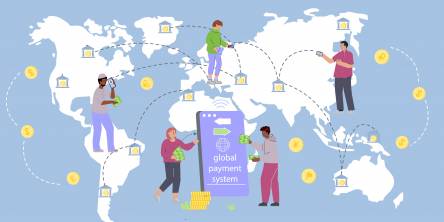
Global money transfers between individuals continue to expand as migration, digital wallets, and mobile banking reshape how funds move across borders.

Environmental or inspection issues can delay corporate property financing. Learn practical steps to manage risks, fix problems, and keep your deal on track.