

A Guide to Mount Your Solar Panels
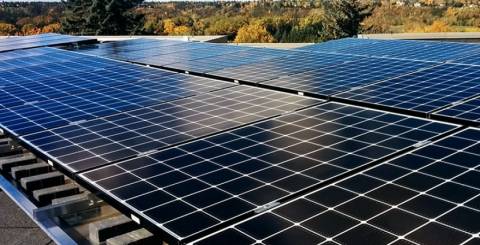
Once you have decided to get solar power systems to meet your energy needs, the next big step is to get your solar panels mounted the way you want it. Whether you go for rooftop mounts or ground-mounted solar systems, some guidelines must be followed to make sure you mount the system correctly and effectively. Deciding on which type of configuration will be good for you depends on the space that the client has on his ground, on the roof, on a wall, or on the pole.
Let us first see how a ground-mounted solar system should be installed.
Ground-mounted solar system
The first important thing to mount a solar system on the ground is to make a strong foundation. It ensures that the solar panels remain at their place firmly and for a longer period of time. To make the foundation, there are different methods used. Screw piles, Sonotube-piers, and Poured footings are the three most common types of foundations used for solar panels to sit on the ground.
There is another approach used which involves making a platform having the landscape tiles. Ballast blocks are used to add sufficient weight to the structure so that it remains strong and intact forever.
Ground systems are usually medium-sized and the number of panels in these systems range from 16 to 64.
Roof mount
When solar systems are mounted on the roof of a building, a racking system is used, to which the solar panels are attached. This racking system is anchored to the roof of the building on which the solar system is to be installed. Sometimes a concrete block is used as the anchor that makes the racking system sit tightly on it. The concrete blocks or ballasts can only be used in the case of flat roofs and low tilted solar panels. In case of other roofs that are tilted and angled more, screws and other kinds of fasteners are used to firmly attach the racking system to the roof of the building.
When you plan to use ballast (concrete block) for your roof mount solar panel, you must consider the building design and its ability to sustain weight. The concrete block will result in too much weight on the roof. The engineer must be consulted before making any decision in this regard. It is very important for the life of the building and the consequent reliability of the solar panel system too.
Wall mount
Solar systems can also be mounted on the wall. These are suitable when there is a significantly large wall space available that also faces the sun. This will make the solar system effective for the client. These solar systems can gather maximum solar energy even with the sun at the low angles. It maximizes the gathering of energy in winter in greater latitudes. With a slight variation of wall mount, the solar panels can be angled in a way that it also provides extra shading to the patio or sidewalk of the building, in parallel to providing solar energy.
Pole mount
When there is a requirement of less number of solar panels, pole mount can be an option that does not take much space on the ground. The solar arrays that are smaller in size can be mounted on a single pole. The pole in these solar systems must be placed on a firmly made foundation in the ground. The strength of the pole makes sure the solar panels stick to their place in harsh weather as well.
Conclusion
No matter which configuration of the solar system you choose for yourself, the foundation of the systems need to be strong and reliable. It all depends on the right type of foundation and base used for the particular configuration of the solar system. A stronger base means the longer life span of the solar system.
Similar Articles
Most homeowners approaching a granny flat project spend considerable time thinking about the end result and considerably less time thinking about the floor plan decision that will largely determine what that result looks and feels like.

Running out of room? Happens to almost everyone eventually. Garages fill up, closets overflow, and suddenly the lawnmower is living next to the holiday decorations in some awkward standoff.
Heating and cooling equipment affect more than the temperature on the thermostat. It influences comfort between rooms, humidity, airflow, and the condition of the air as it moves through the home.

The key to a minimalist living room is restraint, but that's not enough to make a room feel finis

Rectification of exterior cladding may be required during the lifetime of a building for several reasons: to replace non-compliant cladding/combustible panels, to repair damage, to improve energy efficiency, or to modernise an older building.
A tunnel greenhouse is designed to provide years of growing space, but not every part of the structure has the same lifespan.

Australian hardwood presents a very different challenge from the lighter timber commonly used in many parts of the northern hemisphere.

Why Do Concrete Driveways Turn Orange After Summer Rain? Learn the causes—rust, minerals, irrigation—and how to clean and prevent stains.

DIY mistakes can quickly turn a money-saving project into an expensive repair. Learn how better planning, the right tools and knowing when to call a professional can help you avoid costly setbacks.