

The Lost Art of Long-Distance Touring and Why More Riders Are Rediscovering It

At the end of a long touring day, there's a certain kind of fatigue that settles into your shoulders around the fourth hour, softens into satisfaction by the sixth, and, by the time you pull off the road at dusk, has changed into something that feels very much like accomplishment.
It is not the exhaustion of stress or effort. It is the exhaustion that comes from being really present all day. Few experiences in modern life offer quite the same sense of connection as long-distance motorbike touring.
Why Distance Changes the Experience
The riding itself, the turns, the throttle, and the feeling of movement are all important aspects of short rides. Long-distance touring adds another element entirely. It is about immersion. When you ride two wheels across the terrain for six, eight or ten hours, you form a bond with it that is difficult to replicate through other forms of transportation.
As you move up, you notice a decrease in temperature. Before it rains, you can smell it. Over a hundred kilometres, you can see how the landscape changes and how the light changes from harsh afternoon white to late evening golden warmth. For many riders, the trip gradually becomes the experience itself rather than merely a means to an end.
Planning Is Half the Pleasure
Travellers with experience will tell you that planning a route is a pleasure rather than a burden. Finding a route that sacrifices efficiency for character, discovering passes and valley routes, and spreading out a map are all forms of anticipation in and of themselves. The fastest routes are not always the most memorable ones. They are the ones with a little town worth visiting, a river beside it, and a mountain visible from the road. With each trip, the ability to read a landscape on a map and visualise what it would be like at sixty kilometres per hour becomes more profound.
What to Carry and What to Leave Behind
It's an honest self-evaluation exercise to pack for a lengthy tour. Most riders return from their first trip with a clear idea of what they truly required, having started with too much. The essentials: layered clothing for different weather conditions, a small toolbox, functional rain gear, and adequate documentation, rarely change.
The confidence to part with items that seem necessary at home but add bulk and weight without improving the riding experience is what shifts. The bike can move more easily when the load is lighter, allowing the rider to concentrate more on their surroundings rather than handling the luggage's ropes.
The Stops Matter as Much as the Miles
One of the mistakes newer tourers make is treating stops as interruptions. In reality, the stops are often where the most memorable moments happen. A talk with a local mechanic who has seen every kind of rider pass through.
An hour is spent relaxing by a river for twenty minutes since the light is too wonderful to leave. The rider who can mentally slow down while travelling a considerable distance is rewarded by long-distance travelling. What distinguishes a tour from a transit is knowing when to stop and having enough time in the schedule to do so.
Riding Through the Night: A Different World
There is a subset of long-distance tourers who swear by the early morning start – on the road by four, through the first two hundred kilometres before the heat builds, watching a landscape emerge gradually from darkness. While riding at night and dawn requires a higher level of alertness and preparation on the part of the rider, it offers benefits that daylight does not, such as cool air, empty roads, a sense of silence that is uncommon in any other situation, and the unique satisfaction of having already covered significant ground before most people have had breakfast. For those who have done it, it becomes the favoured method for starting any major journey, although it does require a well-prepared motorcycle with sufficient lighting and a rider who is aware of their limitations.
Choosing a Machine Built for the Long Haul
Not all motorcycles are suitable for long-distance, continuous riding. The capacity to travel 500 kilometres in a day and leave the rider feeling capable of doing it again tomorrow is what a touring bike needs. More important than actual performance numbers are wind protection, seat comfort, luggage capacity, and engine smoothness at highway speeds.
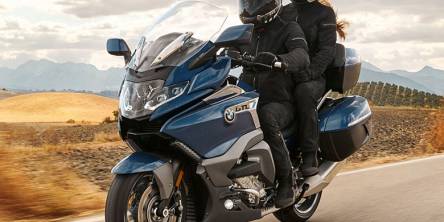
The BMW K 1600 GTL, a motorcycle designed to reach a destination and make the journey itself truly sustainable over several long days, has long been a symbol of what intelligent touring engineering looks like in practice among motorcycles created with this idea at their core.
Technology That Serves the Journey
With the rise of connected riding technology, modern touring has undergone a major shift, yet not all of it is a distraction. The capabilities of a touring rider are truly expanded by a well-integrated bike navigation system that is mounted neatly at eye level with glove-friendly controls and clear, sunlight-readable displays. This is especially true in new areas where reading the road ahead and making route decisions at the same time would otherwise require a significant mental load.
Integration technology that feels like a natural extension of the riding experience rather than a screen that demands attention away from it is crucial. When it functions properly, the rider is free to participate in the tour rather than overseeing it.
Similar Articles
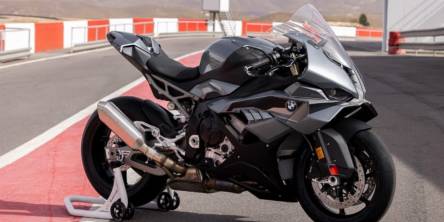
Bikes have been built to maximise the rush of adrenaline, acceleration, and precision. Every aspect of a bike has been designed to thrill, from the intense leaning posture to the lightning-fast turbo responsiveness.
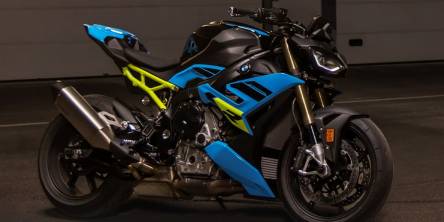
Imagine taking a ride on a motorcycle that was keeping some secrets from you or at least pretending to do so. The same way some modern motorcycles do; wrapping their engine in layers of opaque plastic, muffling the sound until only a hum is left.
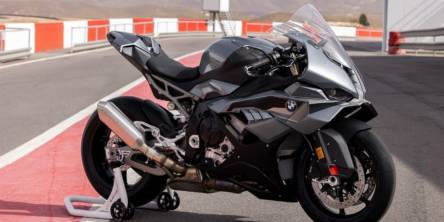
Ready to feel the thrill of your sports bike on the open road? You trial run the bike only to find out long expenses waiting to be covered, how pathetic!
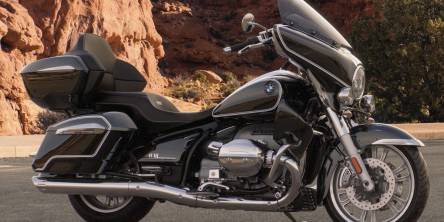
Have you ever wondered why some Instagram posts describe journeys as liberating? Especially when your last journey was filled with hassles and a tiring day?

Fat tire mountain e-bikes are tough, but do they need special care? Learn key maintenance tips to protect tires, battery, motor, and brakes for longer rides.
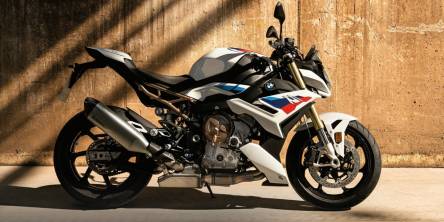
Ever looked at a roadster bike and thought there’s something magnetic about it? There’s a reason roadsters are loved by both seasoned bike riders and beginners alike

There is man, and then there is Superman. Thanks to comics and Marvel movies, the difference is clear now. Can we use the same equation for bikes and superbikes?
The thrill of a road trip on two wheels is unlike anything else—a chance to escape the everyday grind and immerse yourself in nature’s beauty. Whether carving through rugged terrains or cruising along scenic highways, every journey becomes a story to tell.

Experience the thrill of two-wheel adventures! Discover scenic routes, expert tips, and the joy of high-spirited motorcycle escapes.