

The Importance of Protective Coating for Your Boat
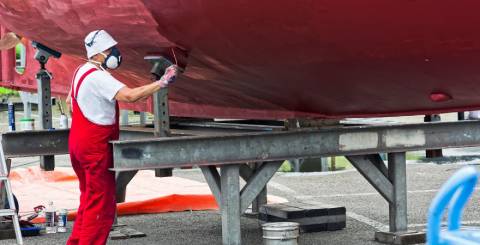
Owning a boat is both a pleasure and a responsibility. Whether you enjoy leisurely cruises, fishing trips, or competitive sailing, ensuring that your vessel remains in top condition is crucial. One of the most essential yet often overlooked aspects of boat maintenance is the application of protective coatings. These coatings are more than just cosmetic enhancements—they are critical in safeguarding your investment from the harsh marine environment.
Understanding Protective Coatings
Protective coatings for boats come in various forms, including paints, varnishes, epoxy coatings, and antifouling layers. Each type serves a specific purpose, ranging from aesthetic appeal to functional protection. For instance, marine paints can provide a sleek finish while also resisting ultraviolet (UV) radiation, while epoxy coatings create a durable barrier against water penetration. Antifouling coatings prevent the growth of barnacles, algae, and other marine organisms that can attach to the hull and reduce performance. The marine environment exposes boats to multiple stressors such as saltwater, sunlight, wind, and fluctuating temperatures. Without protective coatings, a boat’s hull, deck, and other components are prone to corrosion, blistering, fading, and structural damage. Applying the right protective coating is akin to giving your boat a suit of armor that defends it against these elements.
Protection Against Corrosion and Rust
For boats with metal components, especially those made of aluminum or steel, corrosion and rust are constant threats. Saltwater is highly corrosive and can quickly deteriorate untreated metal surfaces. Even small scratches or unprotected areas can become starting points for rust, which can spread and compromise structural integrity. Protective coatings, particularly marine-grade paints and primers, form a barrier that prevents direct contact between metal surfaces and water. Many boat owners also use specialized chassis protection coating on structural components to add an extra layer of defense against corrosion and mechanical wear. This significantly reduces the risk of corrosion, prolonging the life of your boat’s framework and mechanical parts.
Preventing Osmotic Blistering
Osmotic blistering is a common issue in fiberglass boats, occurring when water penetrates the gelcoat and reacts with chemicals in the underlying fiberglass. This leads to bubbles or blisters forming on the surface, which can weaken the hull over time. Protective coatings, especially epoxy barriers, are highly effective in preventing water intrusion. By sealing the surface, these coatings minimize the risk of blistering and maintain the structural integrity of the fiberglass.
Enhancing Performance and Fuel Efficiency
While it may seem purely cosmetic, a smooth, well-coated hull can have a significant impact on a boat’s performance. Marine organisms like barnacles, algae, and seaweed attach to unprotected surfaces, creating drag that slows the boat and increases fuel consumption. Antifouling coatings are specifically designed to prevent such growth. By keeping the hull clean and smooth, these coatings not only improve speed and maneuverability but also reduce the energy required to propel the boat, making it more fuel-efficient.
UV Protection and Aesthetic Maintenance
Boats spend most of their time exposed to direct sunlight. Prolonged UV exposure can degrade paints, varnishes, and other surfaces, leading to fading, cracking, and peeling. Protective coatings with UV-resistant properties shield your boat’s exterior, preserving its color and finish. Maintaining an attractive appearance is not just a matter of pride; it also helps protect the underlying materials from further damage, which can become costly to repair over time.
Cost-Effective Maintenance
Investing in protective coatings may seem like an added expense, but it is far more cost-effective than dealing with extensive repairs or replacements. Corrosion, blistering, and hull fouling can lead to structural damage that requires major overhauls. Preventive maintenance through proper coating application can save thousands of dollars in the long run. Regular inspections and timely reapplication of coatings ensure that your boat remains in excellent condition, avoiding the need for expensive emergency fixes.
Safety Considerations
Protective coatings also contribute to safety on the water. A boat with a well-maintained hull is less likely to suffer structural failure due to corrosion or water damage. Antifouling coatings prevent the accumulation of slippery marine growth, reducing the risk of accidents during boarding or while walking on the deck. Furthermore, properly coated surfaces can help maintain optimal handling and stability, which is especially important in rough waters.
Choosing the Right Coating
Selecting the appropriate protective coating depends on your boat type, the materials used, and the conditions in which you operate. For example, fiberglass boats benefit from epoxy barrier coatings and UV-resistant paints, while metal boats require anti-corrosion primers and topcoats. Antifouling paints are essential for vessels that spend extended periods in the water. Consulting with marine coating professionals can help determine the best products and application techniques to maximize protection.
Proper Application and Maintenance
Even the best protective coatings are only effective if applied correctly. Preparation of the surface is crucial, including cleaning, sanding, and priming as necessary. Many coatings require multiple layers and specific curing times. After application, regular maintenance such as washing, polishing, and inspections ensures the coatings continue to perform as intended. Neglecting these steps can compromise protection and lead to premature wear.
Environmental Considerations
Modern protective coatings also consider environmental impact. Many antifouling paints contain biocides that prevent marine growth, but newer formulations are designed to minimize ecological harm. Choosing eco-friendly coatings not only protects your boat but also contributes to the health of aquatic ecosystems, making responsible boating practices part of your maintenance routine.
Conclusion
Protective coatings are an essential investment for any boat owner. They safeguard against corrosion, UV damage, osmotic blistering, and fouling, while enhancing performance, fuel efficiency, and aesthetic appeal. Beyond financial benefits, these coatings contribute to the safety and longevity of your vessel. Proper selection, application, and maintenance of protective coatings ensure that your boat remains seaworthy and visually appealing for years to come. In essence, protective coatings are not just about maintaining appearances—they are about preserving the heart of your boating experience and protecting one of your most valuable investments. By prioritizing protective coatings, you are taking a proactive step toward extending your boat’s life, reducing maintenance costs, and enjoying worry-free adventures on the water. In the world of boating, prevention is always better than repair, and protective coatings are one of the most effective ways to achieve that goal.