

How Summer Programs Help Middle Schoolers Build Confidence and Independence
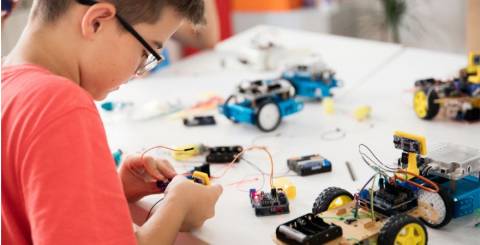
Middle school is genuinely hard. No sugarcoating it. Kids are simultaneously navigating identity shifts, mounting social pressure, and academic expectations that feel nothing like elementary school.
For many parents, summer break represents a rare window, one where their child can reset, breathe, and return to school feeling more grounded than when they left. That's precisely why summer programs for middle schoolers have quietly become one of the smartest investments a family can make.
A striking 92% of campers report their experience strengthened self-esteem, and the research behind that figure is genuinely difficult to dismiss.
Why Confidence and Independence Matter Most in Middle School
Let's get specific about the psychology here, because understanding why these years are so formative changes how you think about programming choices entirely.
The Emotional Landscape of Early Adolescence
Middle schoolers are practically wired for comparison. Constantly measuring themselves against peers, and when that comparison stings even once, it leaves a mark. This is the developmental stage where identity begins forming in earnest, which means the experiences kids have right now carry disproportionate weight.
The Long-Term Payoff
Research is unambiguous: kids who develop strong self-esteem during middle school are far better equipped for resilience, leadership, and adaptability when high school arrives.
Middle school confidence-building programs aren't a nice-to-have. They're a genuine, measurable head start that shows up years down the line.
Once you appreciate the emotional stakes of these years, one thing becomes obvious: the environment where growth happens is everything.
Choosing the Right summer camps in Wellesley, for Confidence and Independence
Wellesley carries a distinct educational culture, shaped by its proximity to Boston. The relationship with Wellesley College and a community that has historically placed exceptional value on thoughtful, rigorous programming. Families here tend to hold programs to a high standard, and rightly so.
For parents in this area, exploring summer camps in Wellesley, MA that offer middle school self-esteem summer programs centered on structured autonomy and real-world engagement is a particularly worthwhile path.
How Summer Programs for Middle Schoolers Transform Self-Perception
The right program doesn't just occupy kids for a few weeks. It quietly reshapes how they perceive themselves. Here's how that actually works.
Safe, Supportive Environments That Invite Real Risk-Taking
Camp settings operate on a fundamentally different dynamic than classrooms. There's no grade at the end of the day. No red pen waiting. No public stumble that trails a kid into the following Monday. That reduced-stakes atmosphere is precisely where authentic risk-taking becomes possible. Kids attempt things they'd never dare try at school, and when they succeed, they remember it.
Unique Leadership and Mentoring Opportunities
Once emotional safety is established, something remarkable tends to follow: kids step up. Leadership roles like activity captain or project lead hand middle schoolers real responsibility, not just tasks designed to keep them occupied.
Add a positive adult mentor who genuinely notices a child's strengths, and you can shift a kid's entire self-narrative in a matter of weeks.
The Power of Choice and Autonomy
Mentor's guide. But it's the daily choices campers make independently that cement genuine self-reliance. Selecting electives, managing personal schedules, and troubleshooting small problems, none of it is trivial. That's exactly how independence gets constructed. One deliberate decision at a time.
Top Program Features That Build Confidence and Independence
Knowing how transformation happens is useful. Knowing which specific features drive it is where the practical value lives.
Collaborative STEAM and Creative Arts Projects
Hands-on STEAM workshops, engineering challenges, forensics simulations, and architecture labs let kids discover abilities they genuinely didn't know they possessed.
When a quiet student builds something impressive, and the whole group takes notice? That's a moment that doesn't fade. Programs designed as summer camps for confidence and independence regularly use these creative formats as their primary confidence engine.
Research reinforces this: camp alumni from low-income backgrounds reported that summer camp, more than organized sports or other extracurriculars, was the primary source of their confidence and independence, and notably, the more years of camp attendance, the greater the benefit.
Team Challenges and Adventure Activities
Creative projects spark something. But team challenges are where that spark actually catches fire. Ropes courses, problem-solving relays, and group competitions, these push kids to lean on each other and prove to themselves that they can handle real difficulty. The "I CAN" mindset stops being a possibility and becomes personal proof.
Social-Emotional Workshops and Reflection Sessions
Conquering a challenge feels incredible. But without intentional reflection afterward, those wins often quietly dissolve by September.
As Dr. David Yeager's research on youth motivation makes clear, kids who reflect on their experiences, what they accomplished, how they felt, and why it mattered, build deeper resilience that outlasts the summer. Guided journaling and group circles aren't filler. They're the ingredient that makes growth stick.
Customization for Diverse Learners
Some middle schoolers arrive carrying additional challenges, anxiety, executive functioning struggles, and neurodivergent needs. The strongest independent summer camps and middle school programs don't merely accommodate those differences.
They're deliberately designed so these kids shine. Specialized counselors and tailored strategies frequently surface strengths that traditional classroom settings overlook entirely.
Building Independence Beyond Camp
The real test of a transformative summer isn't what happens during camp. It's what a child carries home.
Daily Routines That Foster Self-Reliance
Packing bags, managing personal schedules, and planning activities independently, these habits formed at camp transfer directly to home and school life. Parents who actively reinforce these small routines after the summer see a measurable difference in back-to-school readiness. It doesn't take much. Consistency matters more than intensity.
Parent and Child Reflection Toolkit
Routines are a powerful starting point, but having the right conversation framework is what bridges summer growth into lasting change. A simple five-question reflection exercise, covering what worked, what surprised them, and what they want to try next, can connect summer wins directly to IEP meetings, teacher conversations, and school-year planning. Don't skip the debrief.
Real Parent and Camper Success Stories
Before camp, a student named Suzie struggled to regulate her emotions in traditional settings; her parents described her school experience as "explosive." After one summer in a nurturing, tailored environment, she transformed into what her family called "a more mature and peaceful child, excelling in school." The tools she gained "definitely carried over to home and school life." These outcomes aren't anomalies. They're what becomes possible when the right environment meets the right kid at the right moment.
Common Questions Parents Ask About Middle School Summer Programs
How can I tell if low self-esteem is connected to my child's school experience?
Watch for reluctance to try new things, withdrawal from previously enjoyed activities, or recurring self-critical comments. If these patterns intensify around school schedules, that signal is worth exploring with a counselor.
Are summer camps appropriate for middle schoolers with social anxiety or learning differences?
Absolutely. Many programs are specifically structured around diverse learners. Smaller groups, predictable routines, and genuinely supportive staff make camps far more accessible than conventional classroom environments.
Which is better for developing independence, sleepaway or day camp?
Both have real merit. Sleepaway camps offer deeper immersion and faster independence gains. Day camps allow gradual growth with the comfort of home each evening. Match the format to your child's current readiness.
Summer Is Already Doing the Work
Middle school is one of the most defining stretches in a young person's life. Summer is one of the rare seasons when the pressure genuinely lifts.
Summer programs for middle schoolers that prioritize authentic confidence, daily independence, and real belonging give kids something no worksheet ever could, a living memory of their own capability. That memory follows them into every classroom, every challenge, and every opportunity that comes next.
Don't wait for the school year to do what summer is already positioned to accomplish.
Similar Articles

Choosing the right childcare centre is a critical decision for parents, shaping a child’s early development in profound ways. The chosen environment plays a pivotal role in fostering social skills, cognitive abilities, and emotional well-being. Given the myriad options available, deciding on which one to choose can be overwhelming.

The still severely restricted school operations due to the corona crisis turns everyday life (which is already challenging) for parents with children of school age. Homeschooling is still about.

The basic and main purpose of tutoring is to help the students and guide them to achieve their ta