

The Future of the Railway
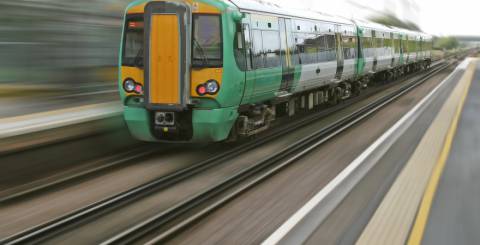
With technology evolving at the pace it is, it’s unlikely that the way we travel today will be the same in 30, 50 or even 100 years.
In recent years an increased amount of focus has been directed at improving rail transport. With fast, transnational and energy-efficient trains in demand and the global population set to increase by 2.2 billion by 2050, there’s more pressure than ever on the global transport network to produce new innovations. At this point, all heads have turned to rail.
Over 100 different technology pilots are currently on trial in the UK and some are even prepared to launch soon, so what does the future of the railway look like?
Hydrogen trains
This ingenious concept could be closer than we think as it is rumoured that we could be seeing hydrogen trains on UK tracks in the early 2020s. Hydrogen trains are set to be a complete alternative to diesel power dramatically reducing emissions and making rail travel cleaner. These trains produce no emissions only water making them the greenest form of travel.
Last year Germany launched the world’s first hydrogen-powered trains and they have been operating on a 62 mile stretch of track for the last nine months. Other countries such as Denmark, Norway and the Netherlands have now taken interest with the UK already testing a design on mainline railway.
Hyperloop
Hyperloop is potentially one of the most talked-about proposed modes of transportation ever. It’s allegedly set to reinvent transport by eliminating the barriers of distance and time.
This suggested mode of transport, which is an objective of technology entrepreneur Elon Musk, will be used for both passengers and freight through a sealed tube or system of tubes. A pod will travel through the tubes free of air resistance or friction at a very high speed.
There has been much speculation as to whether this concept will ever emerge or develop, however, Hyperloop One, a global high-speed transport company, has been testing their first motor and are said to be working on new routes that could be implemented across five different countries.
Whether Hyperloop will ever become reality is still unknown and we will just have to see what the future holds.
Driverless trains
There has been a lot of consideration around driverless trains with the approach somewhat dividing opinion. Some developed cities are already using driverless trains on low speed, protected infrastructures but the concern is whether they will be safe enough for mainline railways.
These trains are equipped with comprehensive safety systems but many believe that employment of these trains will only increase the requirements for quality of rail network and competence management.
Although the tracking and monitoring of these trains is already well established there are still safety concerns and it’s feared that these trains aren’t ready for mainline railways as it’s not clear how they will deal with the already overcrowded rail systems that are not designed to deal with this new technology.
Biometric Tickets
Ticketless travel has already taken the UK by storm with Transport for London developing the ticketing system so that passengers can now use their bank cards and mobile payment services to travel on the tubes rather than having to keep hold of a paper ticket.
But just when you thought the ticketing system couldn’t get much savvier, we really could be saying goodbye to paper tickets on all forms of train travel with the potential introduction of smartphone app tickets and even biometric tickets, such as fingerprints.
The aim would be to speed up travelers at the gate reducing the amount of fumbling around for paper tickets that have been lost at the bottom of bags or pockets.
However, not all passengers have a smartphone and not all train stations use the same technology so whether Bluetooth ticketing would ever completely take over paper tickets is questioned.
These modernisations may speed up travel, increase the number of trains on the line and reduce emissions but the question is are these dream technological advancements achievable and, if so, how quickly?
Similar Articles

Discover what to pack for long-distance travel with adult diapers, including essentials for comfortable, discreet, and stress-free flights, trains, and road trips.

Discover what makes pool deck resurfacing last in your climate, from choosing durable materials to proper preparation, installation, drainage, and maintenance.

The modern urban adventure begins long before you step off the plane or train. It starts with careful preparation and a clear understanding of what you want out of your journey.

Corporate leadership demands a relentless pace, and in recent years, the pressure has reached a b

Sydney presents a wealth of opportunities for visitors seeking a scenic and memorable escape

Bali has been a popular tourist destination for years due to its beaches, temples, nature, and culture. But as tourism changes with time, people have started to think about the environment and local society while traveling.

Planning an international vacation can be fun, but it can also be hard to coordinate individual flights or day tours. Managing your separate travel bookings causes significant expense

A trip abroad can provide wonderful places, interesting people, and unforgettable experiences. But travel to other countries also presents unique health risks and logistical challenges that can be unforeseen.

Travel is often about more than simply getting from one destination to another.